
Telephone entry & intercoms
A gated entrance works differently when visitors, vendors, customers, residents, employees, or delivery drivers need a way to request entry. Telephone entry and intercom systems provide that communication point.
Someone at the gate reaches someone who can decide
Rather than relying only on a gate remote or a permanent access credential, the person arriving at the property can contact someone who has the authority to determine whether the gate should be opened.
Useful where the property regularly receives
- Visitors
- Delivery drivers
- Vendors
- Contractors
- Customers
- Guests
- Service providers
We provide telephone entry and intercom systems as part of our broader access control systems services for qualifying residential, commercial, industrial, and managed properties — looking at the entry system together with the gate, operator, and property layout.
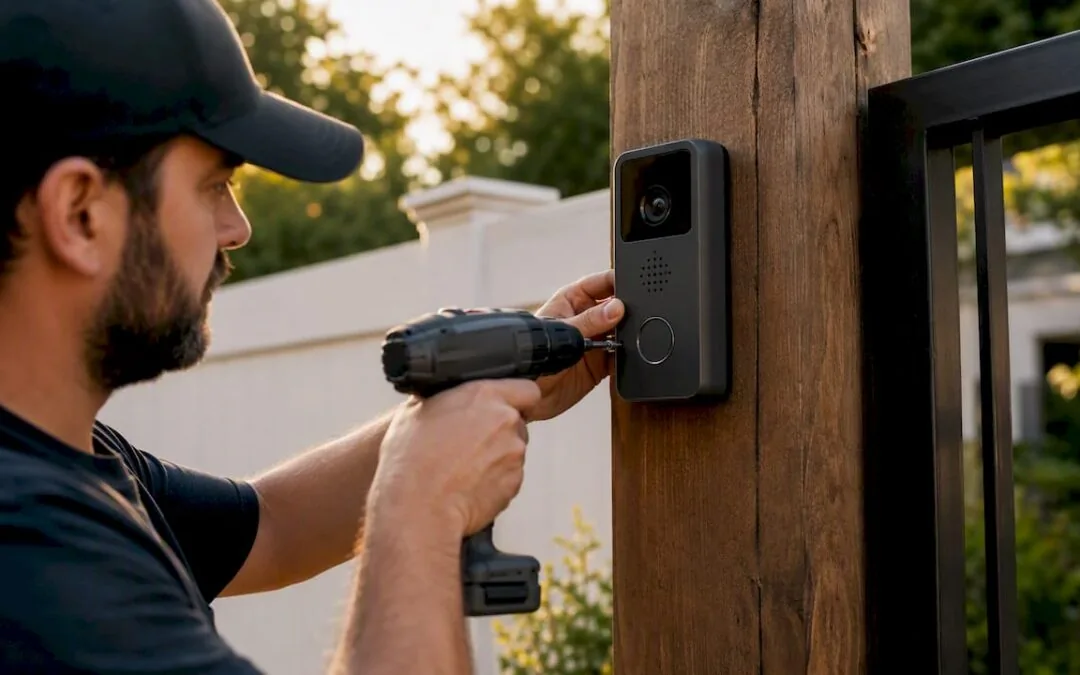
A visitor arrives, requests access, and someone responds
A telephone entry system allows a visitor at a gated entrance to contact an authorized person before being granted entry. The exact equipment and method of communication depend on the system selected for the property.
This is useful when the property regularly receives people who do not have their own permanent access credential — where issuing a permanent code or card to every occasional visitor would not make sense.
Communication between the entrance and the property
An intercom provides communication between the entrance and another location associated with the property. Depending on the selected equipment, someone inside the property can communicate with the person requesting entry.
A residential estate has a very different access pattern from an apartment community or a commercial property. We start with the property and its users rather than assuming one entry system works everywhere.
The difference is who is entering, and how often
A regular employee or resident needs a repeatable access method. A visitor or delivery driver needs temporary entry without receiving a permanent credential.
Many properties have both types of user. The entrance then needs to support regular authorized users while also providing a practical way to handle occasional visitors.
Telephone entry is only one way to manage a gated entrance. Other properties rely primarily on keypad and card access systems. The right combination depends on the property.
Properties that may benefit from telephone entry
Apartment and multifamily
Residents may have regular access while visitors need a way to request entry.
Commercial properties
Businesses receive vendors, contractors, customers, and deliveries without leaving a vehicle entrance continuously open.
Industrial properties
A controlled entrance lets site personnel communicate with arriving visitors or service providers before allowing access.
Estate entrances
Properties with long driveways or gated entrances benefit from communication between the gate and the home or another designated location.
Managed properties
Properties with recurring visitors and controlled vehicle entrances often need an entry process beyond permanent credentials alone.
Not every property requires telephone entry. For some, a keypad or card reader is enough. For others, communication with arriving visitors is an important part of how the entrance has to function.
The entry system is only part of the entrance
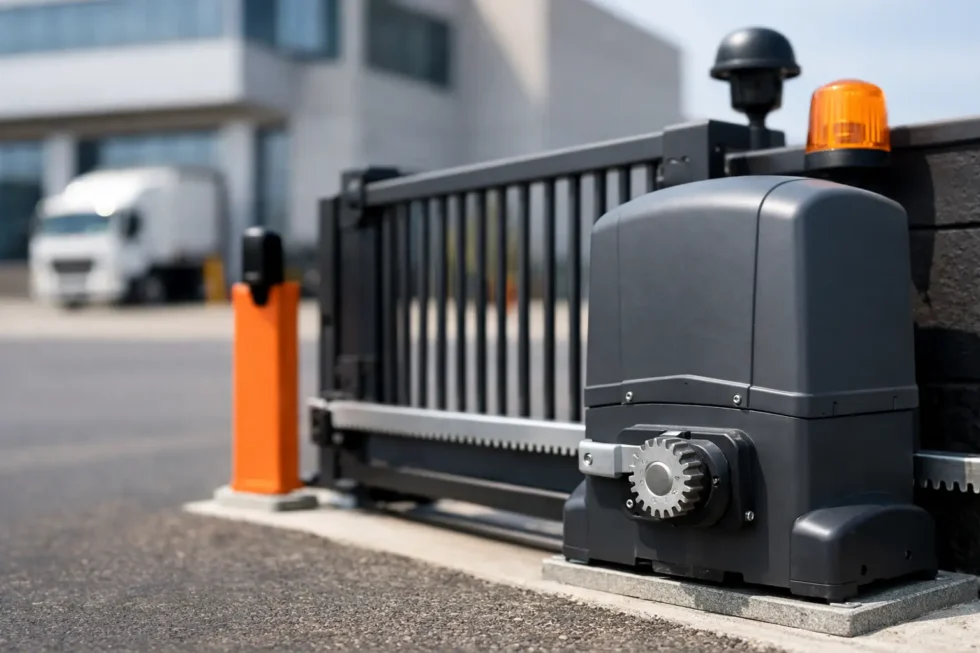
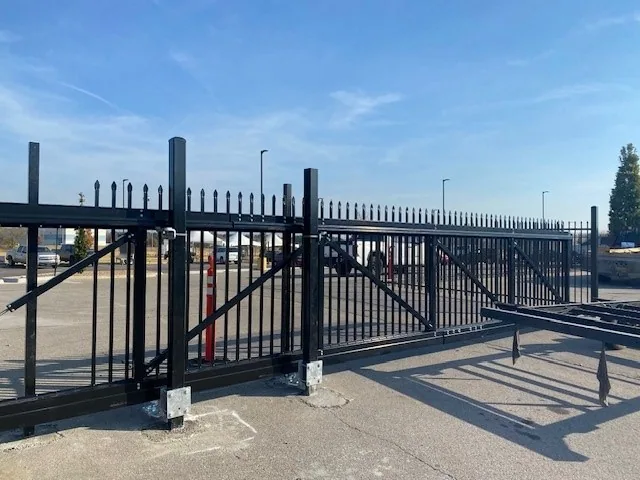
Telephone entry equipment cannot be considered separately from the gate itself. If one of these pieces is not suited to the property, the entrance will not work as intended.
The gate
The gate defines the physical opening — its size, configuration, and the way it moves across the entrance.
The operator
The gate operator moves the gate, and has to be matched to the gate and to how often the entrance is used.
The access equipment
Access control provides the method used to request or authorize entry — a code, a credential, or a conversation.
Easiest to plan during the gate project
When access control is considered from the beginning, the entrance can be evaluated as a whole.
- Gate configuration
- Operator location
- Entry equipment location
- Vehicle approach
- Pedestrian considerations where applicable
- Property layout
- Intended users
The goal is not simply to attach access equipment after the gate is finished — it is to think about how people will approach, request access, and move through the entrance. For a gate built around the property, see our custom gate fabrication.
Adding entry equipment to a gate you already have
An existing automatic gate may be able to support new or updated access-control equipment. Before recommending equipment, we look at the gate, the operator, the current entry equipment, and how the property is used.
A new telephone entry or intercom system cannot correct a gate that does not move properly.
If the gate has mechanical or operational problems, those may need to be addressed before access-control changes are made. We review the existing entrance and determine the appropriate scope.
Who needs to get through this gate?
The answer usually reveals what type of access system makes sense. A property may have:
- Owners
- Residents
- Employees
- Property managers
- Customers
- Vendors
- Delivery drivers
- Contractors
- Guests
Some of those people use the entrance every day. Others visit once. A good access-control plan distinguishes between those groups rather than treating every user the same way — and telephone entry is particularly useful for the people who do not already have regular access.
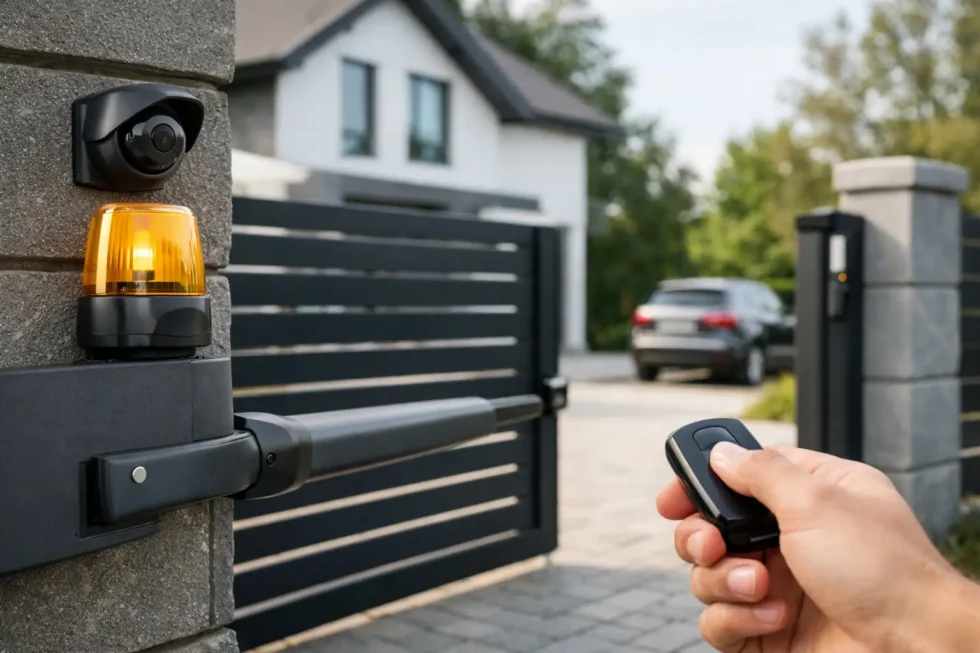
Access patterns are more complicated than a driveway
A warehouse may have employees entering regularly but also receive freight, vendors, and repair contractors. An apartment property may have residents with ongoing access while guests need a separate way to request entry. A business may have different activity during working hours than after hours.
These operating patterns should be discussed before equipment is selected. We work with property owners, property managers, general contractors, builders, developers, and other qualifying commercial customers to understand the entrance as part of the property’s normal operation.
What is already at the entrance shapes the work
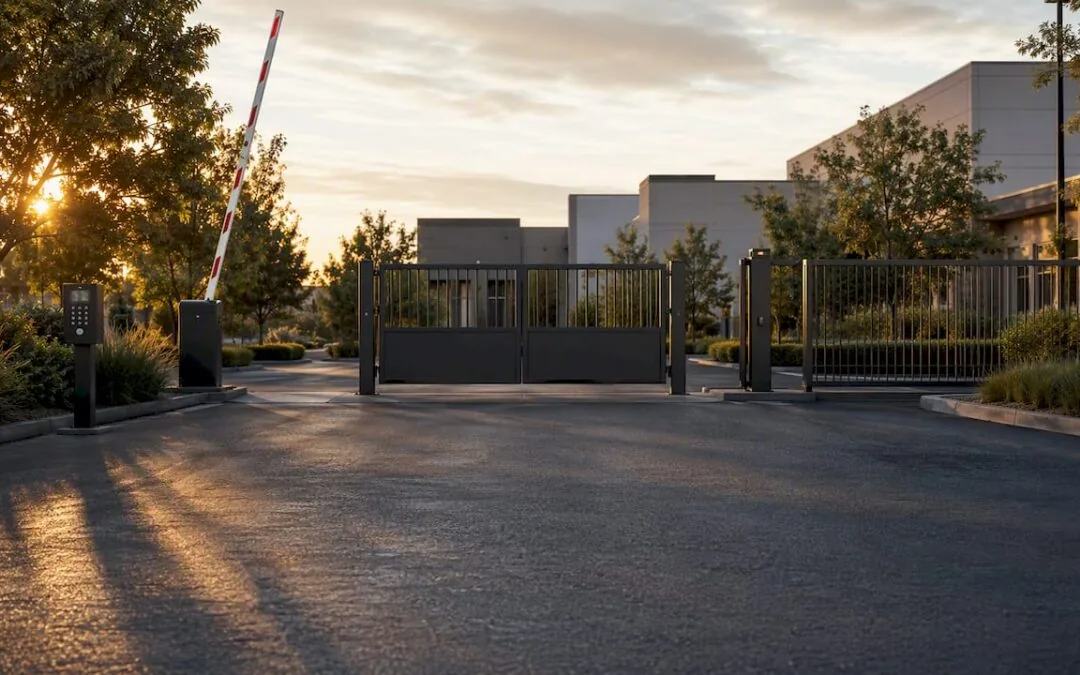
Entry equipment needs to be positioned where it can be used appropriately. The exact location depends on the property, gate layout, traffic flow, and selected equipment.
An entrance may already include
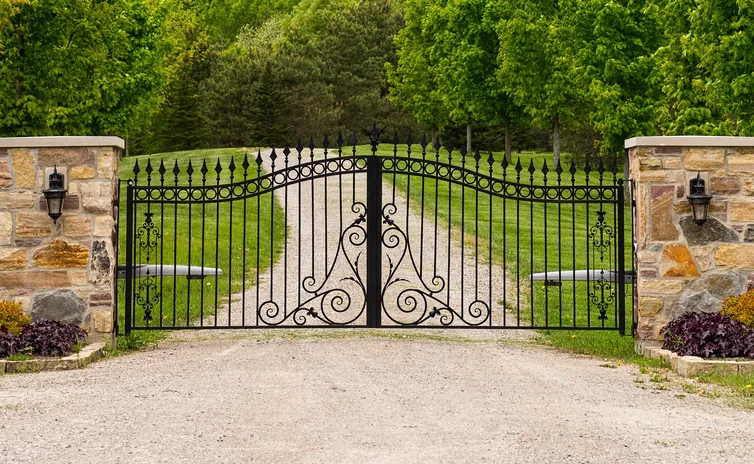
- Gate posts
- Masonry columns
- Existing operator equipment
- Existing electrical or communication infrastructure
- Previous access-control equipment
When an existing system stops responding
If a telephone entry or intercom system is no longer operating as expected, we provide qualifying access control repair.
When you contact us, describe what you are experiencing. Photographs of the gate, operator, and visible entry equipment help. Do not send passwords, access codes, card numbers, or other sensitive credentials through a general website form — we can determine what additional system information is necessary after reviewing the request.

Maintenance for frequently used entrances
Properties with frequently used automatic gates benefit from ongoing service rather than waiting for a failure. Maintenance does not mean every future problem can be prevented — it provides a structured way to inspect and service applicable equipment over time, which matters most where the gate is used repeatedly throughout the day.
We can look beyond the entry device itself
- 01
Serving the region since 1950
Modern Fence has served Western Arkansas and Eastern Oklahoma since 1950.
- 02
Access control alongside fencing
Our access-control capabilities complement our fencing, gate fabrication, automatic gate, and commercial entrance services.
- 03
The entrance as a whole
We consider how the communication equipment relates to the physical gate and to the way the property is actually used.
- 04
Gates built in our own shop
When the gate needs to change, custom fabrication is part of the same company rather than another contractor.
- 05
Service and repair
We provide qualifying access-control repair and maintenance for systems already installed.
- 06
Licensed and insured
Modern Fence Company is licensed and insured for the work we perform.
Telephone entry and intercoms across
Western Arkansas & Eastern Oklahoma
We install and service qualifying entry systems in these communities and the surrounding areas.
Gates, operators and entry equipment
Telephone entry & intercom questions
Visit our fencing and access control FAQ for more answers.
What does a telephone entry system do?
It provides a way for someone at a gated entrance to request access by communicating with an authorized person associated with the property.
How is telephone entry different from a keypad?
A keypad generally allows a user with an appropriate code or credential to request entry directly. Telephone entry provides a communication step for visitors or others who may not have regular access.
Can telephone entry be installed at an existing gate?
Potentially. The existing gate, operator, access equipment, and property conditions should be reviewed before the appropriate scope is determined.
Do you install telephone entry systems for commercial properties?
Yes. We provide qualifying telephone entry and access-control services for commercial and managed properties.
Can an intercom be used at a residential estate gate?
Yes, depending on the property and equipment selected. Estate entrances are one of the applications where communication between the entrance and property can be useful.
Do you also install automatic gates?
Yes. We provide automatic gate services as well as gate operators, access control, and custom gate fabrication.
Can you repair an existing telephone entry system?
We provide qualifying access-control repair services. The existing equipment and problem should be evaluated before the repair scope is determined.
Do telephone entry systems need maintenance?
Access-control and automatic gate equipment can require service over time. Maintenance options are available for qualifying systems.
Tell us who needs to get through the gate
Let us know what type of property you have, who regularly uses the gate, who needs visitor access, whether the gate already exists, whether automatic equipment is already installed, and what you want the new entry system to accomplish. From there we can determine what needs to be reviewed.