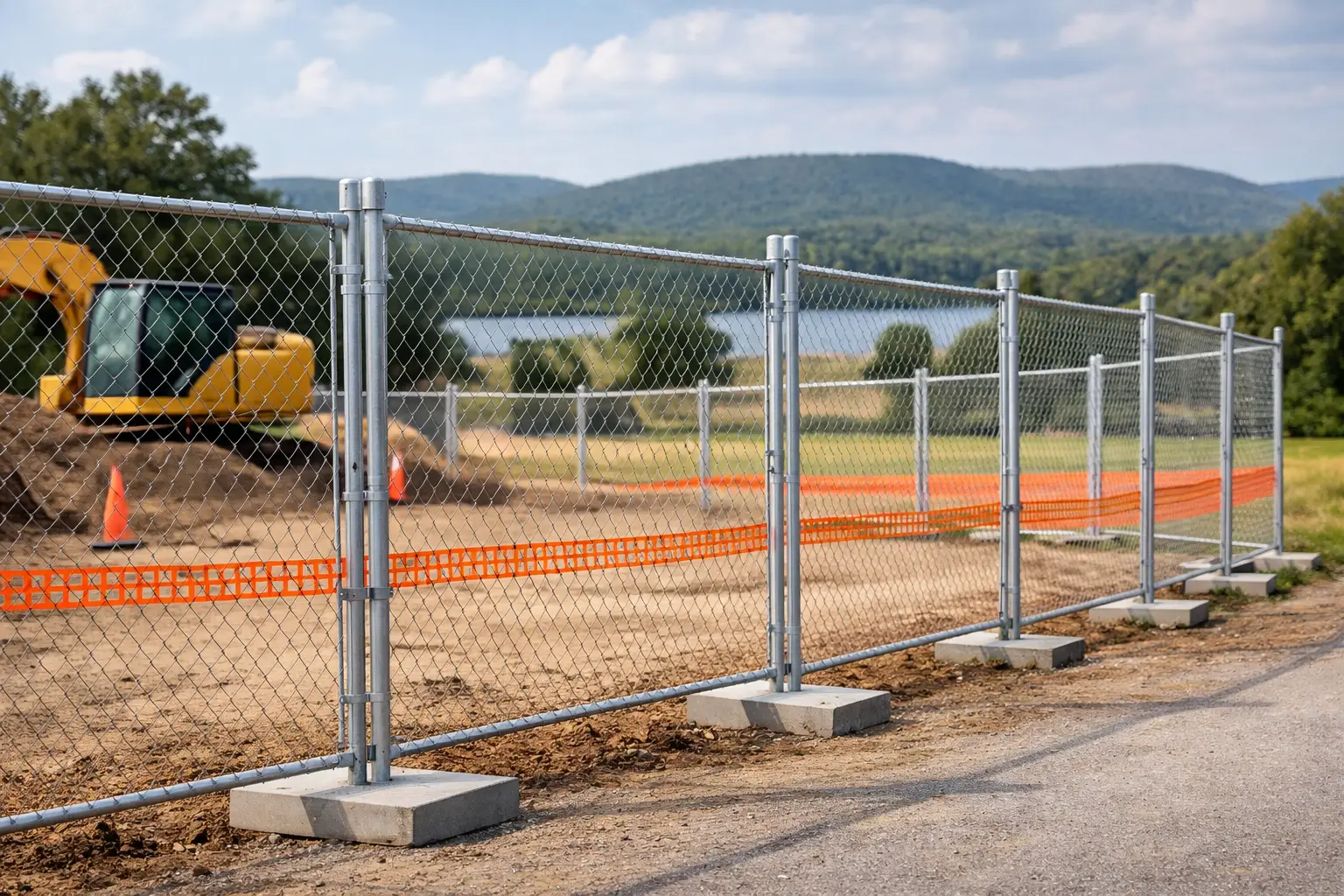
A jobsite can change overnight. Materials arrive, crews rotate in, and an open work area suddenly creates a safety, security, or access problem. If you are looking for temporary fencing in Sequoyah County, OK, the right rental setup does more than mark a boundary. It helps keep the public out, equipment in place, and your project moving without unnecessary disruption.
For contractors, property managers, business owners, and event organizers, temporary fence rental is a practical answer when a permanent fence is not the goal. The key is matching the fence layout, panel type, gates, and installation approach to the conditions on your property.
When temporary fencing makes sense
Temporary fencing is designed for changing needs. A construction crew may need to enclose a work zone for several weeks. A commercial property may need to restrict access after storm damage. An event organizer may need a clear perimeter for a weekend gathering, parking area, or controlled entrance.
In each case, the fence has a different job to do. Some projects call for a visible barrier that directs foot traffic. Others need a stronger perimeter around tools, stored materials, or active equipment. A rental fence can be configured around those priorities without committing the property to a permanent installation.
Temporary fencing is commonly used for construction sites, renovation work, demolition areas, equipment storage, special events, emergency repairs, and short-term access control. It is also useful when a permanent fence project is scheduled but the property needs protection before installation begins.
Temporary fencing in Sequoyah County, OK: start with the site
Sequoyah County properties are not all flat, open lots. A fence that works well along a paved commercial site may need a different installation plan on uneven ground, gravel, grass, or a rural work area. Before panels are placed, it helps to consider where people, vehicles, deliveries, and equipment will move each day.
The most effective layout closes obvious gaps while maintaining the access your operation needs. That may mean adding a gate for work trucks, separating a pedestrian entrance from equipment traffic, or fencing around only the active portion of a larger property. A well-planned temporary perimeter should support the work, not slow it down.
Site conditions also affect stability. Wind exposure, slope, loose soil, and ground traffic can all influence the best way to secure panels. In some situations, simple freestanding panels are appropriate. In others, additional bracing, weighted bases, or a more deliberate layout may be needed. This is one reason an on-site assessment is worth the time, especially for longer rentals or sites with valuable materials.
Security is more than putting panels in a line
A visible fence can discourage casual entry, but a serious site-security plan requires attention to weak points. Gates, corners, transitions near buildings, and gaps created by uneven terrain deserve careful planning. If people can easily walk around or under the fence, the perimeter is not doing its full job.
For construction and commercial work, think through who needs access and when. A gate should be wide enough for deliveries and positioned where it can be monitored. If a site is inactive overnight, consider how the entrance will be secured after crews leave. Temporary fencing can establish the boundary, while access procedures help control what happens at that boundary.
Choosing the right rental fence configuration
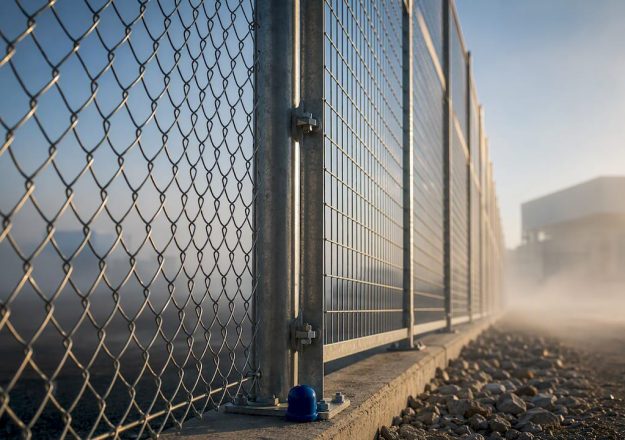
Chain link temporary fence panels are a common choice because they are durable, visible, and adaptable to many jobsite conditions. They allow airflow and visibility while clearly defining a restricted area. For most construction sites and commercial projects, that balance makes sense.
The right configuration depends on the purpose of the enclosure. A small repair project may only need a limited run of panels around a work area. A larger development site may need a full perimeter with multiple access points. Event fencing may prioritize crowd direction and entrance control over long-term security.
Before arranging a rental, have a clear picture of these practical details:
- The approximate length of fence needed and the area that must be enclosed
- Expected rental duration, including possible schedule changes
- Vehicle, equipment, and pedestrian access requirements
- Ground conditions such as pavement, gravel, slopes, or soft soil
- The level of security needed for tools, materials, or restricted work zones
These details help avoid a common mistake: ordering enough panels to create a boundary but not enough to create a usable one. A missing gate, an awkward entrance location, or an unfenced storage corner can create problems after the crew is already on site.
What affects temporary fence rental cost?
Rental pricing is usually shaped by the amount of fencing, the length of the rental, delivery distance, installation needs, and accessories such as gates or stabilizing equipment. A short, straightforward rental on level ground will not require the same labor or materials as a long-term enclosure around a large, irregular site.
The lowest initial price is not always the best value. If a fence is poorly planned, undersized, or not secured for site conditions, the inconvenience can cost more than the difference in rental price. Delays, unauthorized entry, scattered materials, and repeated adjustments all take time away from the work that matters.
A clear estimate should identify the scope of the rental so there are fewer surprises. If a construction schedule may extend, say so early. Rental needs often change when weather, inspections, material deliveries, or subcontractor schedules shift. Planning for that possibility makes it easier to adjust the fence without leaving the site exposed.
Installation matters as much as the panels
Temporary fence panels may look simple, but their performance depends on how they are set up. Panels need to align properly, bases need to sit securely, and connections need to hold up to normal site activity. A rushed installation can leave openings, unstable sections, or access points that are inconvenient for crews.
Professional setup is especially valuable when fencing must work around driveways, buildings, drainage areas, utility markings, or active traffic patterns. Contractors should always account for underground utilities and project-specific site requirements before installation. A temporary perimeter should not interfere with required access, emergency routes, or safe equipment movement.
Modern Fence Company has served the region since 1950, providing rental fencing and perimeter solutions backed by the practical experience of a licensed and insured, family-owned contractor. That experience matters when a job requires more than dropping panels at the edge of a lot. The goal is a fence layout that fits the property, the project timeline, and the people who need to use the site every day.
Plan ahead for removal and next steps
Temporary fencing should be easy to remove when the work is complete, but removal timing deserves the same thought as installation. Do not schedule fence removal before final cleanup, material pickup, or last inspections are finished. Keeping the perimeter in place through the final stages can prevent avoidable access issues when the site is at its most vulnerable.
If a permanent fence is part of the long-term plan, temporary fencing can also bridge the gap between project phases. It gives the property immediate definition and protection while permanent materials, approvals, or construction scheduling are being finalized.
A dependable temporary fence begins with a straightforward conversation about your site, your timeline, and what needs to stay protected. A clear estimate and a properly planned layout can help you keep the work area organized from the first delivery through the final pickup.