A construction site can change dramatically between Friday afternoon and Monday morning. Equipment is left in place, deliveries may arrive early, and an unfinished perimeter can invite trespassing, theft, and preventable injuries. Secure construction sites start with a clear boundary and a practical plan for who can enter, where they enter, and how the site remains protected as work progresses.
For contractors, property managers, and business owners, site security is not only about protecting tools. It helps keep a project on schedule, supports safer working conditions, and presents a professional appearance to clients, neighbors, and inspectors.
Start With the Perimeter
The perimeter is the first decision that affects every other security measure. A temporary fence creates a visible boundary around the work area, discourages casual trespassing, and gives site managers a defined place to direct workers, deliveries, and visitors.
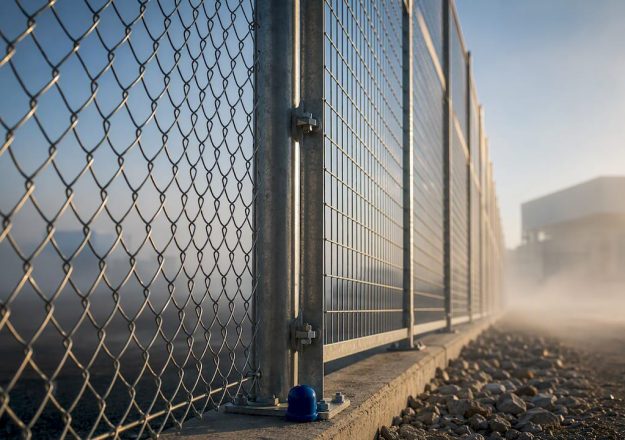
Chain link rental fencing is often a practical choice for active construction projects. It is durable, visible, and can be configured around uneven lots, material storage areas, or changing work zones. Panels can be moved as the project develops, which matters when excavation, paving, or phased construction changes the site layout.
The right setup depends on the site. A small residential renovation may need a short run of temporary fencing around a dumpster and material pile. A commercial project may require a fully enclosed perimeter with stabilized panels, gates, privacy screening, and separate access points for workers and equipment. The goal is not to install more fence than necessary. It is to close the gaps that create easy access and confusion.
Account for Terrain and Weather
A fence that looks secure on a flat drawing can become less effective on a sloped, rocky, or muddy site. Gaps beneath panels, loose posts, and unstable gate areas can compromise the boundary quickly. Before installation, identify grade changes, drainage paths, utility locations, and areas where heavy equipment will pass.
Wind is another consideration in Western Arkansas and Eastern Oklahoma. Temporary panels need appropriate bracing and support, particularly on open sites or where privacy fabric increases wind load. A properly planned temporary fence should stay in position without becoming a hazard itself.
Control Access, Not Just Entry
A fence only works as well as the gates and procedures around it. If workers can enter through several open points and visitors are free to walk in, the perimeter is doing very little to protect the project.
Choose a main gate that accommodates the largest planned delivery or equipment movement without creating an oversized opening for everyday traffic. Keep secondary gates locked when they are not needed. On larger sites, separate vehicle access from pedestrian entry when possible. This reduces congestion and gives supervisors a better view of who is coming and going.
For projects with regular crews, access control can range from a simple lock and key process to keypad-controlled gates or electronic access systems. The best option depends on the project duration, traffic volume, and level of risk. A keypad may be useful when several authorized subcontractors need access, while a staffed entry point may make more sense for a high-value commercial project.
Just as important, establish a clear visitor process. Delivery drivers, inspectors, clients, and prospective tenants should know where to enter and whom to contact. Clear signage at the gate helps prevent people from walking around the perimeter looking for a way in.
Protect Tools, Materials, and Equipment
Most construction sites contain items that are easy to resell and difficult to replace on short notice. Copper, power tools, generators, fuel, appliances, and specialty materials can all affect the schedule when they go missing. Perimeter fencing reduces opportunity, but storage practices close the remaining gaps.
Place valuable materials away from the fence line when possible. Items stacked directly against a perimeter fence can be easier to reach, see, or remove. Keep smaller tools in locked containers or job boxes, and secure trailers with dependable locks and coupler protection. Equipment should be parked where it is visible from the street, office trailer, or monitored areas without blocking emergency access.
Lighting can also make a meaningful difference. Well-placed lighting around gates, storage areas, and trailers makes after-hours activity more noticeable. However, lighting should be aimed carefully. Excessive glare can affect nearby homes, interfere with drivers, or create shadows that make surveillance less effective.
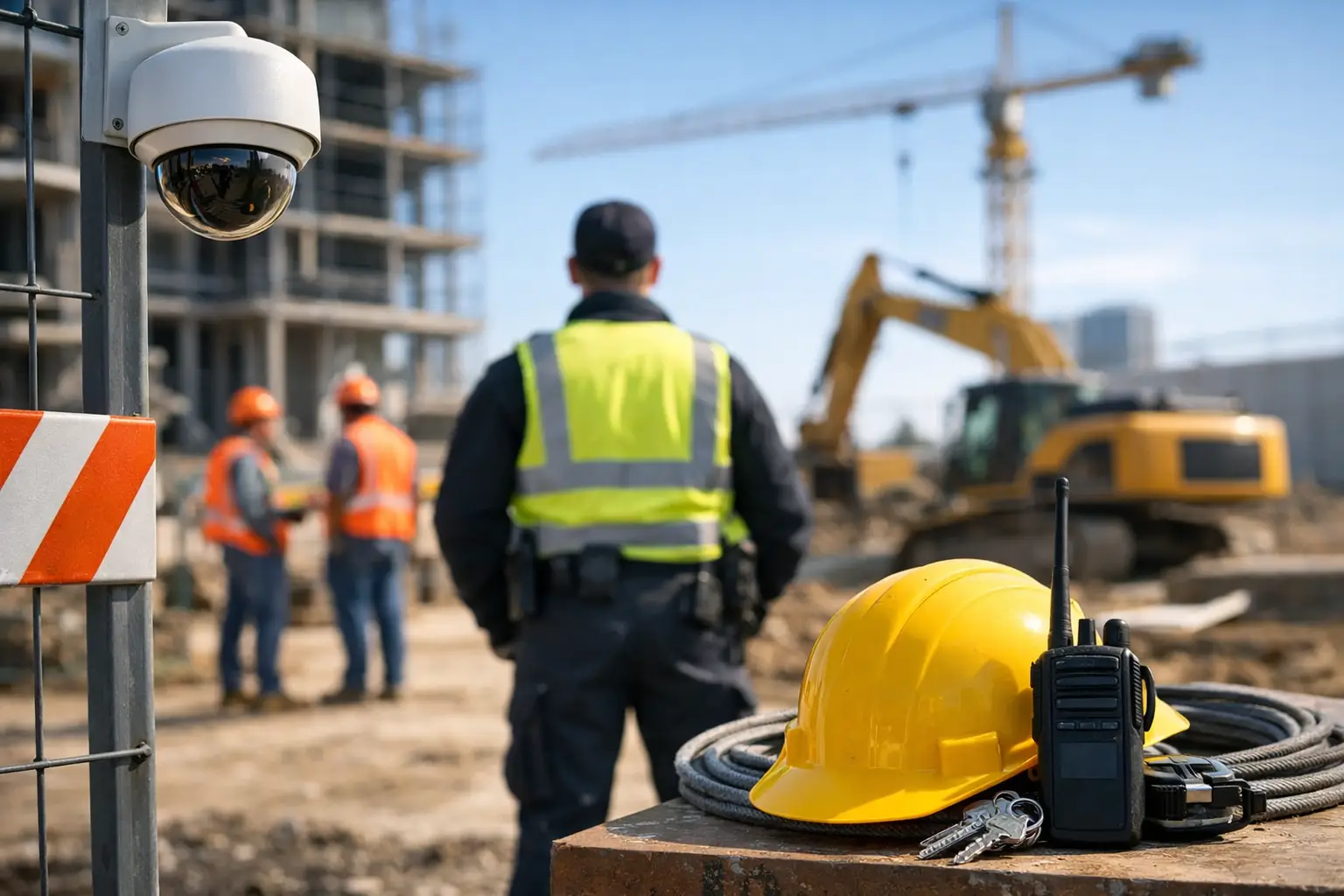
Cameras, alarms, and motion alerts may be appropriate for sites with expensive equipment or a history of theft. These tools work best as part of a layered approach. A camera cannot replace a locked gate, and a locked gate cannot replace a crew that consistently secures materials before leaving.
Plan for Safety and Liability
A secure site protects people as much as property. Children, curious neighbors, and unauthorized visitors may not recognize open trenches, exposed rebar, temporary electrical service, or unstable materials as hazards. A defined fence line and locked gates show that access is restricted for a reason.
Use clear signs to identify authorized entrances, required protective equipment, no-trespassing areas, and emergency contacts. Make signs easy to read from the approach to the gate. They should support the physical barrier, not serve as the only security measure.
Pay attention to the condition of the fence throughout the project. A panel that has been pushed aside for a delivery, a gate left unsecured after a weekend, or a section damaged by equipment can create a problem in a single day. Assign responsibility for checking gates and perimeter sections at the start and end of each shift.
This does not need to be a complicated process. A quick walk of the boundary can catch open access points, damaged panels, loose bracing, or materials stored outside the protected area before they become larger issues.
Make Security Work With the Construction Schedule
Construction projects rarely stay still. Concrete crews need access one week, framing materials arrive the next, and landscaping or paving may require the temporary perimeter to move again. Security plans should be flexible enough to support the work instead of slowing it down.
Before each major phase, review how vehicles will enter, where materials will be staged, and whether the fence needs to expand or shift. If an existing gate will become blocked by work, arrange another controlled entrance before closing it. Waiting until the delivery truck is at the site can lead to rushed decisions and unsecured openings.
Temporary fencing also helps define work zones on occupied properties. At schools, retail centers, apartments, and healthcare facilities, fencing can separate active work from customers, residents, and staff. In these cases, appearance matters alongside security. Clean, straight fence lines and properly placed gates help the project look organized while keeping the public clear of hazards.
Choose a Fence Partner That Understands Active Sites
Temporary site fencing is not a one-size-fits-all product. The layout should reflect the property, the construction phase, expected traffic, and the type of work being performed. A contractor experienced with commercial and residential perimeter solutions can help identify practical gate locations, account for terrain, and provide a setup that is secure without creating unnecessary delays.
Modern Fence Company has served the Fort Smith area and surrounding communities for decades, providing temporary fencing, permanent fencing, access solutions, and custom metalwork for properties with different security needs. For a contractor managing a short-term project or a property owner preparing for a larger build, the value is in getting a dependable perimeter in place from the beginning.
A well-secured site gives the crew a clearer workspace and gives the owner fewer worries after hours. Before the first load of materials arrives, take time to establish the boundary, secure the gates, and plan for the changes ahead. That early decision can protect far more than the fence line.