A fence is one of the few improvements that changes how a property feels the moment it is installed. The right residential fencing can give children and pets a defined place to play, create privacy from nearby homes, improve security, and make the yard look finished. The wrong choice can become a maintenance burden, conflict with local rules, or fail to solve the problem that prompted the project in the first place.
For homeowners in Western Arkansas and Eastern Oklahoma, selecting a fence often involves more than choosing a style from a brochure. Sloped lots, drainage, shared property lines, strong weather, existing landscaping, and neighborhood requirements all affect the finished result. A successful project starts by identifying what the fence needs to do, then choosing materials and installation methods built for that purpose.
Start With What Your Fence Needs to Accomplish
Privacy is a common reason to install a fence, but it is not the only one. A family may want a secure backyard for a dog. A homeowner on a corner lot may need a clearer property boundary. Another may want a decorative front-yard feature that improves curb appeal without closing off the view. These goals can call for very different materials, heights, and layouts.
Think about the daily use of the space. If a fence is meant to contain pets, the size, strength, and behavior of the animal matter. A small dog may be safely contained by a shorter fence, while an athletic dog may need greater height, tighter gaps, and a dependable gate latch. If privacy is the priority, placement matters as much as height. A well-positioned privacy fence can screen a patio or pool area without unnecessarily enclosing every part of the yard.
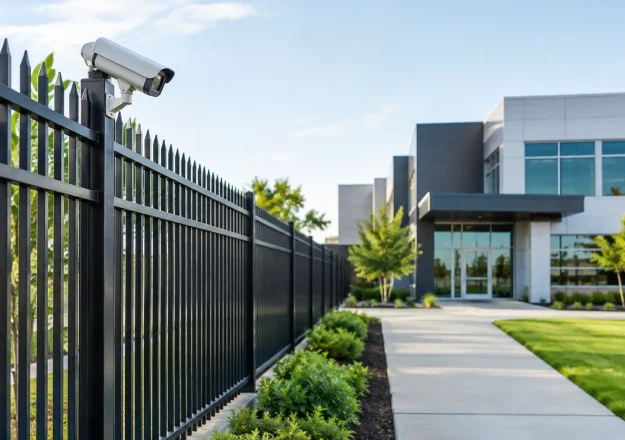
Security should also be considered realistically. A fence creates a visible boundary and helps control access, but no material is equally suited to every situation. An ornamental iron fence can provide an open, attractive perimeter with strength and visibility. A wood privacy fence limits sightlines. Chain link can be a practical choice when containment and durability matter more than full screening. The best option depends on the property, budget, and level of protection desired.
Choosing Residential Fencing Materials
Each material has advantages, and each comes with trade-offs. The goal is not to find a material that is perfect in every condition. It is to choose one that fits how you live, how much maintenance you prefer, and what your property needs over time.
Wood Fencing
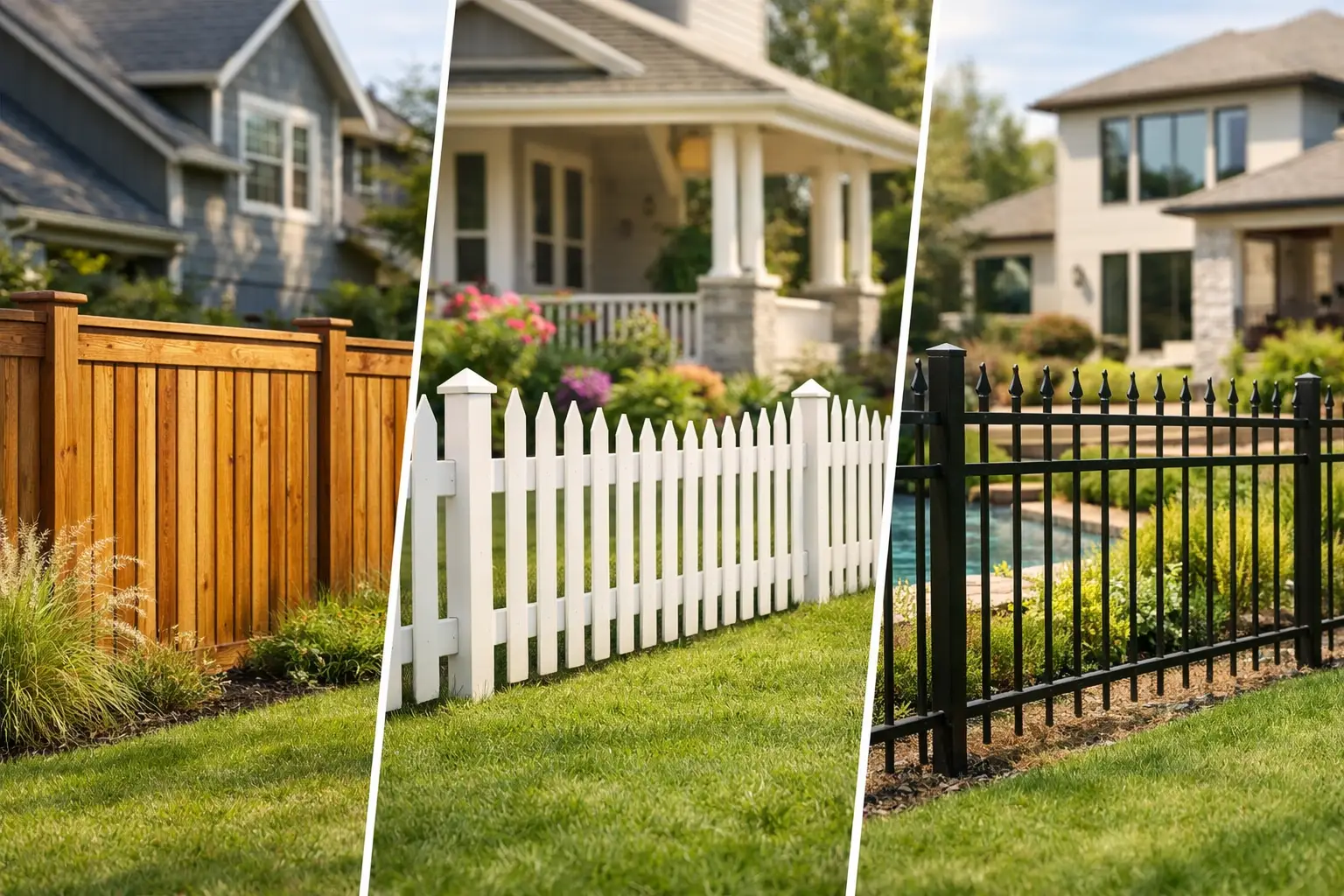
Wood remains a popular choice for homeowners who want traditional character and strong privacy. It can be built in many configurations, from board-on-board and shadowbox designs to classic picket styles. It also offers flexibility for properties with changing elevations because experienced installers can rack or step sections to follow the terrain appropriately.
Wood does require care. Sun, moisture, and temperature changes can affect the material over the years. Quality construction, proper post setting, and routine staining or sealing can make a significant difference in appearance and service life. For homeowners who appreciate a natural look and are willing to maintain it, wood remains a dependable investment.
Vinyl Fencing
Vinyl fencing is often selected for its clean appearance and low-maintenance appeal. It does not require painting or staining, and it can work well for privacy, decorative borders, and traditional picket-style applications. It is especially appealing to homeowners who want a consistent finished look with less ongoing upkeep.
Its limitations should be considered before installation. Vinyl is not the best fit for every custom design, and product quality matters. A properly installed vinyl fence with quality components can provide years of service, but cutting corners on materials or installation can lead to problems with movement, sagging, or damage.
Chain Link Fencing
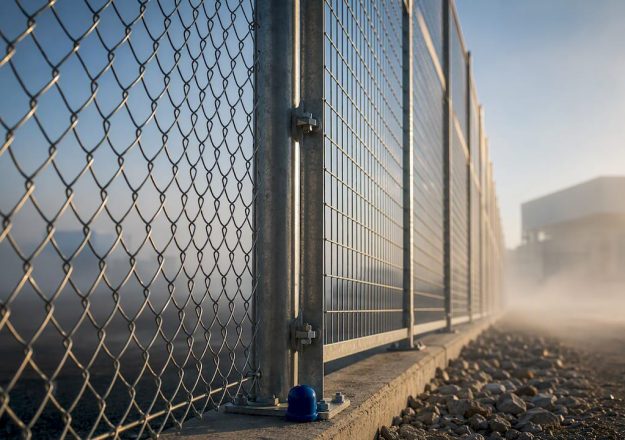
Chain link fencing is practical, durable, and cost-effective for many residential properties. It is a smart option for enclosing a backyard, securing a pet area, or establishing a boundary where visibility is useful. Vinyl-coated chain link offers a more polished appearance than traditional galvanized material and can blend more easily into landscaping.
The trade-off is privacy. Chain link does not block views on its own, although privacy slats or natural screening can be added in some situations. For homeowners focused on function, containment, and value, it is often one of the most sensible choices available.
Iron and Ornamental Fencing
Iron or ornamental fencing brings a distinctive look to front yards, pools, garden areas, and properties where visibility is desirable. It offers a refined appearance while maintaining a strong boundary. Because it does not create a solid wall, it can preserve views and make landscaping more visible from the street.
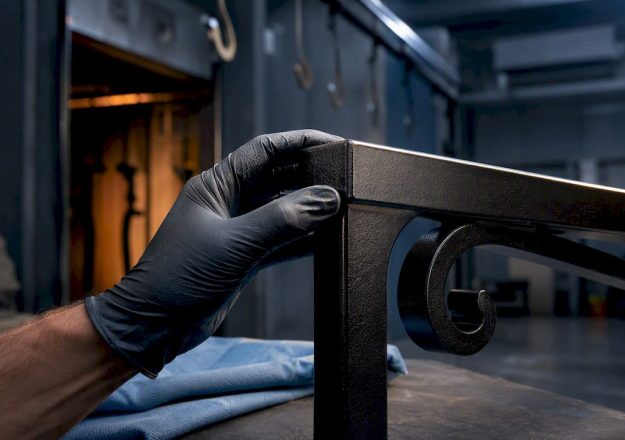
This style is generally less suited to homeowners seeking full privacy. It may also require occasional attention to finishes, particularly if scratches or areas of exposed metal develop. Still, for properties where curb appeal, security, and open sightlines belong together, ornamental fencing is hard to match.
Height, Gates, and Layout Matter More Than Many Homeowners Expect
Fence height is not simply an aesthetic decision. It affects privacy, containment, visibility, and compliance with local requirements. Backyard privacy fencing is commonly taller than decorative front-yard fencing, but property-specific restrictions can apply. Before construction begins, confirm relevant neighborhood association rules, municipal requirements, and setback expectations.
Property lines deserve the same attention. Installing a fence based on assumption can create a costly dispute later. If line locations are unclear, a survey or professional verification may be necessary before finalizing the layout. Utilities must also be located before posts are set. This is a basic but essential step that protects both the property and the installation crew.
Gates should be planned around how the property is used. A narrow walk gate may be enough for everyday access, while a wider double gate can be valuable for lawn equipment, trailers, or future projects. Gate location affects convenience, drainage, and security. A well-built gate should swing and latch reliably, not become the part of the fence that needs constant adjustment.
Installation Quality Protects the Investment
Good materials cannot make up for poor installation. Posts must be set at appropriate depth and spacing, rails need proper support, and fence sections must account for the site rather than forcing a one-size-fits-all layout. This is especially important on sloped yards, near retaining areas, and where drainage channels run through the property.
A professional contractor also helps homeowners avoid decisions that look fine on paper but create problems later. For example, placing a solid privacy fence directly across a drainage route may contribute to water issues. Setting a fence too close to trees can complicate future growth and maintenance. Choosing an attractive gate design without considering access needs can become frustrating every week.
Modern Fence Company has served the region since 1950, and that kind of experience shows in the details: matching the fence style to the site, preparing for utility locations, building stable gates, and completing work with respect for the property. Licensed and insured installation provides added peace of mind when a project involves a major improvement to your home.
Plan for Maintenance Before You Choose
Every fence benefits from occasional inspection. Walk the perimeter after severe weather, check gates and latches, and look for signs of shifting, loose hardware, or vegetation pressing against the fence. Small repairs are usually easier and less expensive when addressed early.
Wood fencing needs the most regular attention because it is exposed to the elements. Cleaning and staining on an appropriate schedule help preserve its appearance and protect the material. Vinyl can typically be cleaned with mild soap and water. Chain link and ornamental metal benefit from checking fittings, fasteners, and finish condition, particularly around gates and ground-level areas.
Maintenance needs should influence the original decision. A homeowner who wants the warmth of wood may be happy to schedule periodic staining. Someone who wants minimal upkeep may prefer vinyl or ornamental options. Neither preference is wrong. The best fence is one that continues to suit your time, budget, and property years after installation.
A useful first step is to walk your yard with the intended result in mind: where you want privacy, where access is needed, what should remain visible, and how the fence must perform in every season. With a clear purpose and an experienced installer, a new fence becomes more than a boundary. It becomes a practical, lasting part of the home you enjoy every day.