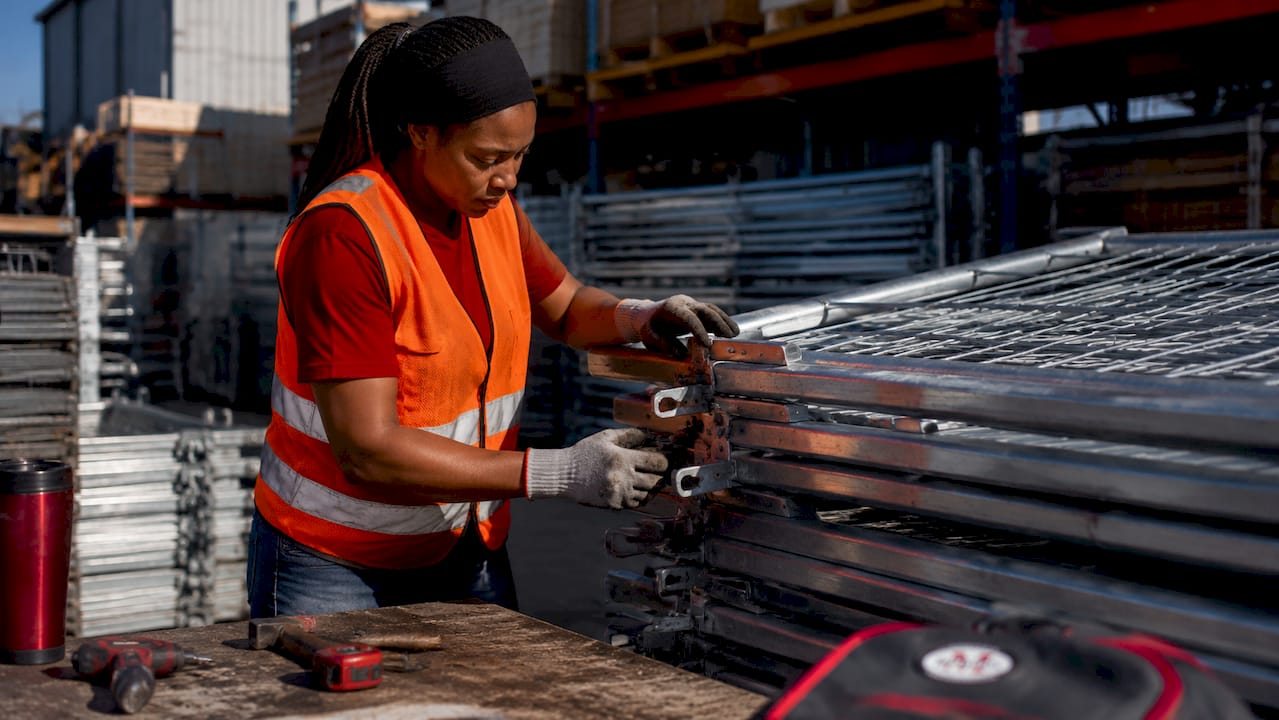
A temporary fence can be one of the first things installed on a project and one of the most visible signs that the site is being managed well. This guide to rental fence planning helps property owners, contractors, and site managers make practical decisions before equipment arrives, materials are delivered, or work begins.
Rental fencing does more than mark a boundary. It can discourage unauthorized entry, direct vehicles and pedestrians, protect equipment, and create a cleaner, more professional work area. The right plan depends on the site, the work being performed, the length of the rental, and the level of security required.
Start With the Purpose of the Fence
Before choosing fence panels or requesting an estimate, identify what the temporary fence needs to accomplish. A small residential remodel may need a simple barrier around a dumpster or material storage area. A commercial construction site may need a defined perimeter, controlled entry points, screening, and a plan for deliveries.
Security is often the first concern, but it is rarely the only one. Rental fencing can also help protect the public from active work zones, separate subcontractor areas, manage traffic flow, and keep tools or supplies from being exposed to view. When the purpose is clear, the layout and rental period are easier to determine.
A fence intended mainly for visual separation may not need the same height, gate arrangement, or anchoring as a fence protecting high-value equipment. Likewise, a site with frequent truck traffic needs a different access plan than a project where crews arrive in personal vehicles each morning.
Map the Perimeter Before Planning Rental Fence Placement
A quick walk around the property can prevent costly adjustments later. Mark the areas that need to be enclosed, then look for obstacles that affect placement. Slopes, drainage paths, curbs, landscaping, overhead lines, utility boxes, parked equipment, and existing structures all matter.
Measure the proposed perimeter as accurately as possible. Include jogs around buildings, laydown areas, and protected trees rather than estimating a straight line across the lot. It is also wise to allow room for the fence feet, stabilization, and safe clearance from excavation, traffic lanes, or active equipment.
For projects in Western Arkansas and Eastern Oklahoma, uneven ground and changing weather can be significant planning factors. A panel line that appears straightforward on a dry, level site may require adjustments after heavy rain or when installed across a grade. An experienced rental fence provider can identify where extra bracing, different panel placement, or a revised route will make the enclosure more dependable.
Check utilities and site restrictions early
Do not assume a fence line is clear simply because the area is open. Underground utilities, easements, local requirements, property lines, fire access routes, and building entrances can affect where temporary fencing can go. If the project is near a public sidewalk, roadway, or shared commercial drive, access and visibility deserve added attention.
The goal is not to make the fence overly complicated. It is to avoid placing it where it blocks essential access, interferes with utility work, or has to be moved after installation. A few minutes of planning before delivery can save time once the site is active.
Plan Gates Around Real Daily Traffic
A secure perimeter is only useful if authorized people can move through it without creating delays. Think through who needs access, when they need it, and what they are driving or carrying. Personnel gates work well for crews on foot, while wider gates may be needed for deliveries, forklifts, trailers, and service vehicles.
Place gates where vehicles can enter and exit without backing into public traffic or crossing pedestrian paths. On a busy commercial site, it may make sense to separate employee access from delivery access. On a smaller property, one carefully located gate may be enough.
Gate placement should also support daily operations. If a dumpster is emptied from the street side, the fence layout needs to accommodate that service. If materials will be unloaded at a certain point, avoid creating a narrow gate or sharp turn that slows the driver. These details may feel minor before work begins, but they can affect every day of the rental period.
Choose a Rental Period With a Buffer
Temporary fencing is commonly rented for construction, demolition, restoration, events, utility work, and property protection. The right rental term should reflect the actual schedule, not just the planned start date and anticipated finish date.
Projects often shift because of weather, inspections, material availability, permit timing, or subcontractor schedules. Ending the rental too tightly can leave a site exposed while the final work is still underway. A reasonable buffer is usually less disruptive than rushing a removal or arranging a last-minute extension.
At the same time, renting more fence or more time than necessary can increase costs. The best approach is an honest project timeline with a clear point of contact who can update the fence provider if the scope changes. If the work will happen in phases, ask whether the fence can be relocated or modified as one area is completed and another becomes active.
Match the Fence Setup to the Level of Security
Not every project needs the same level of protection. Standard temporary fence panels may be suitable for marking a work area and discouraging casual entry. Sites with valuable machinery, sensitive materials, prolonged downtime, or higher public exposure may need a more deliberate setup.
Consider the risk after normal work hours. Is the site visible from the road? Is it vacant overnight? Are tools stored outside? Does the property contain an open excavation, construction debris, or other hazards? The answers help determine whether the plan should include tighter panel connections, secure gates, screening, added stabilization, or coordination with other access-control measures.
Privacy screening can be useful when a site is near homes, a business entrance, or a heavily traveled area. It can reduce visual clutter and limit the view of equipment or materials. However, screening also changes how wind moves across the fence, so it should be considered along with proper support and site conditions.
Account for Weather, Ground Conditions, and Stability
Temporary fencing must remain stable throughout the rental, not simply look secure on installation day. Wind, rain, saturated soil, snow, and active site traffic can all affect panel alignment and support.
Ask how the fence will be stabilized for the conditions at your property. The answer may vary based on panel height, exposed location, screening, and the ground surface. A paved parking lot, a grassy field, and a rough construction pad present different installation challenges.
Keep the area around the fence line clear after it is installed. Piling materials against panels, parking equipment too close, or using the fence as a support for tarps and signage can compromise its stability. If site conditions change, such as excavation near the perimeter or a major delivery route moving closer to the fence, notify the provider so the setup can be reviewed.
Coordinate the Fence With the Rest of the Site Plan
Rental fencing works best when it is planned alongside other site needs. Consider where portable restrooms, dumpsters, material storage, temporary power, trailers, and staging areas will sit. A fence line that looks efficient on a drawing may become inconvenient if it cuts off access to a dumpster or forces crews to carry materials farther than necessary.
Emergency access deserves the same attention. Keep fire lanes, hydrants, building exits, and required service paths clear. On commercial properties, coordinate with building occupants, property managers, and neighboring tenants so the fence does not create unexpected problems for customers or deliveries.
Communication is especially valuable when multiple parties are involved. The general contractor, property owner, site superintendent, delivery drivers, and rental fence installer should understand the gate locations, delivery timing, and any areas that must remain open. Clear instructions reduce the chance of a fence being installed correctly but in the wrong operational location.
Know What to Ask Before Scheduling Installation
A dependable estimate starts with useful details. Be ready to share the site address, approximate linear footage, intended start date, estimated rental duration, desired gate locations, and the purpose of the enclosure. Photos and a simple site sketch can be helpful, particularly for irregular lots or areas with limited access.
It is also worth asking about delivery and removal timing, gate options, site access requirements, stabilization methods, and what to do if the project schedule changes. If the fence is needed for a permit, inspection, or a specific construction phase, mention that deadline early.
A professional provider should help identify practical concerns rather than simply drop panels at the property. Modern Fence Company brings decades of local fencing experience to temporary perimeter needs across the Fort Smith area, helping customers plan for security, access, and real site conditions before the work starts.
A well-planned rental fence gives your project a defined edge from day one. Set aside time to walk the property, consider how people and vehicles will move, and build in room for changing conditions. That preparation helps keep the jobsite safer, more organized, and ready for the work ahead.