A low spot along a property line, a sloped front yard, or a gate that needs to line up with an existing drive can turn a standard fence job into a frustrating compromise. Custom iron fencing in Crawford County gives property owners a better option: a durable, tailored perimeter that fits the land, the building, and the way the property is used. Whether the goal is to define a front yard, secure a business entrance, or enclose a pool area, the right design makes the fence feel like it belongs there.
Why Choose Custom Iron Fencing in Crawford County?
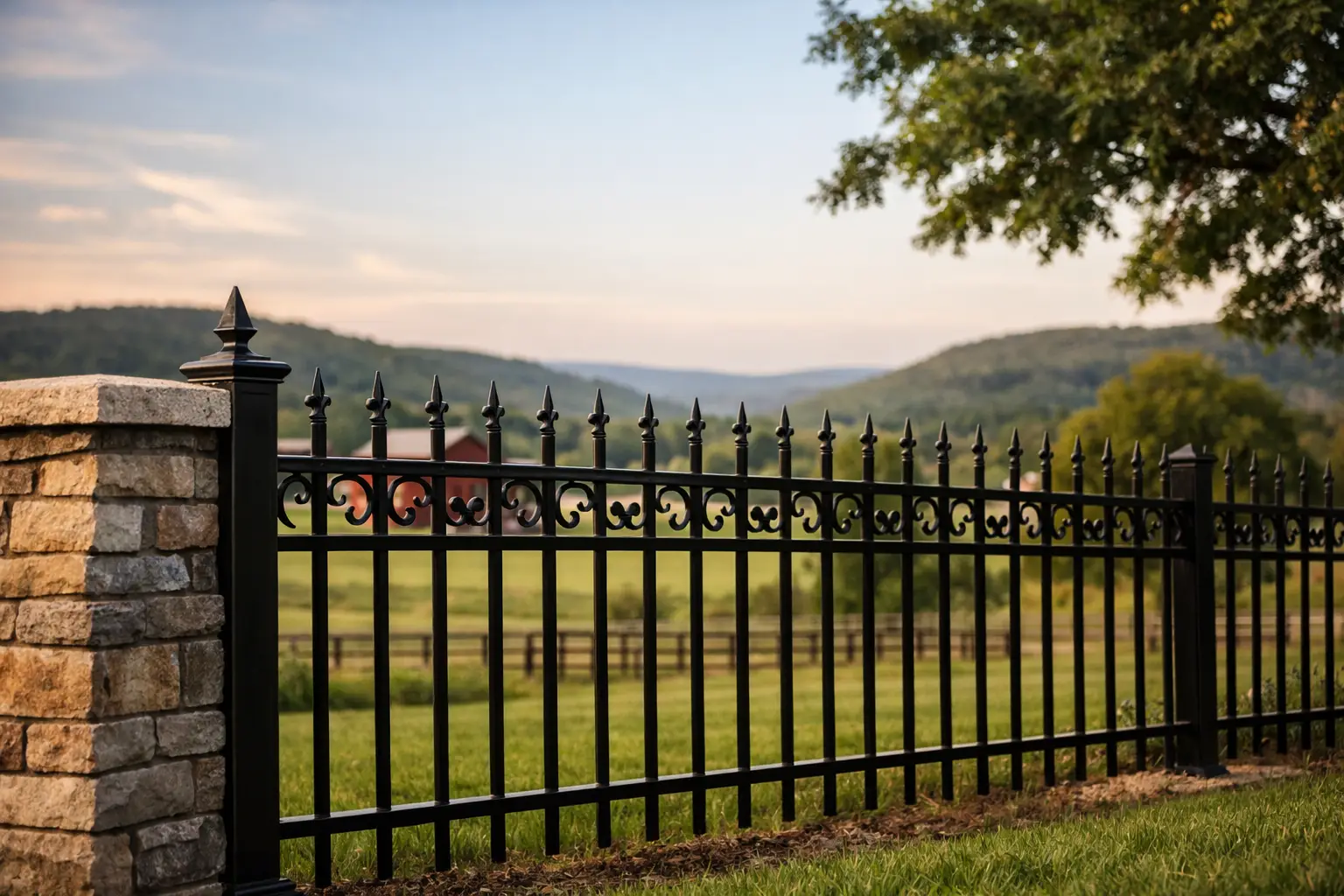
Iron fencing offers something many other fence materials cannot: clear boundaries without closing off the view. Its open design can make a front yard, landscaped entrance, or commercial property look more finished while still providing a physical barrier. For homes with stonework, brick, mature landscaping, or elevated views, that balance is often the deciding factor.
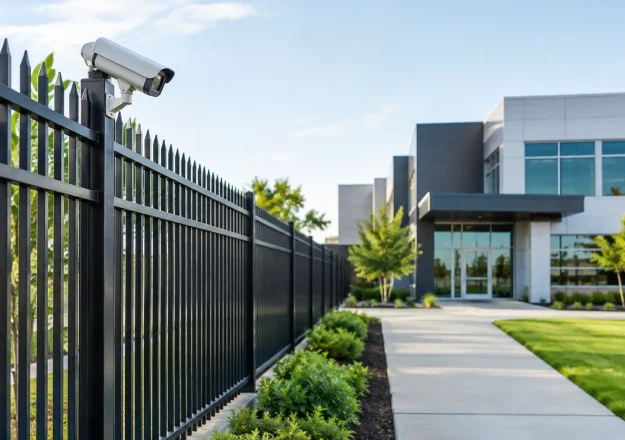
Security is another reason to consider iron. A properly installed fence, matched with a dependable gate and latch system, creates a visible perimeter that is difficult to ignore. Taller panels, closely planned picket spacing, and decorative finials can increase security while preserving a professional appearance. The best choice depends on who needs access, what needs protection, and whether the fence is meant to be welcoming, restrictive, or both.
Custom work also avoids the boxed-in look of a one-size-fits-all layout. A fence can follow a gradual grade, step down a steeper slope, meet masonry columns, or transition to another fence material where privacy is more important. Those details are where a fencing project becomes part of the property instead of an afterthought.
Built for Appearance and Daily Use
An iron fence should look as good from the street as it performs at the gate. That means considering panel height, rail placement, picket style, post caps, gate width, and the relationship between the fence and nearby structures. A simple, clean design may suit a newer home, while a more decorative pattern can complement traditional architecture or a formal entry.
Gates deserve the same attention as the fence line. A pedestrian gate should open comfortably without dragging, while a vehicle gate needs adequate clearance, reliable hardware, and room for the vehicles that will use it. For commercial sites, gate planning may also include controlled entry, keypad access, or other access control options. Planning these details early helps prevent costly changes after installation begins.
What Makes an Iron Fence Truly Custom?
Custom does not have to mean overly ornate. It means the fence is designed around the conditions and requirements of your property instead of forcing your property to fit a stock layout. Sometimes that means fabricating a gate to a specific opening. Other times, it means creating panels that work around retaining walls, drainage paths, landscaping, or changes in elevation.
Material selection matters, too. Many property owners use the term iron fencing to describe ornamental steel fencing. Both can provide the traditional vertical-picket appearance people expect, but their construction, coating systems, and fabrication options can differ. A qualified contractor can explain which material and finish make sense for the desired appearance, budget, and level of exposure to weather.
The finish is not simply cosmetic. Quality protective coatings help the fence resist moisture, sun exposure, and the everyday wear that comes from lawn equipment, gates, and changing seasons. Even a durable finish benefits from occasional inspection. Addressing scratches, loose hardware, or drainage concerns early helps preserve the appearance and service life of the fence.
Design Decisions That Affect Cost and Performance
Fence height, total footage, gate count, terrain, fabrication details, and site access all affect the final scope of a custom iron project. A straight run on level ground generally requires less labor than a fence that steps across a hillside or ties into multiple existing structures. Decorative additions and specialty gates may be worthwhile for curb appeal or security, but they should be selected because they serve the property, not just because they are available.
It also pays to think about the fence line beyond installation day. Leave room for routine landscape maintenance, make sure gates open in a practical direction, and avoid placing posts where standing water regularly collects. Small planning decisions can make a significant difference over time.
Plan Around the Real Conditions of Your Site
Crawford County properties can vary widely, from established neighborhoods with mature trees to open commercial sites and rural acreage. Before an iron fence is installed, the site should be evaluated for grade changes, drainage, buried utilities, access for equipment, and existing structures. These are not minor details. They influence where posts can be set, how panels should be arranged, and how the finished fence will perform.
Drainage deserves particular attention. Water that flows toward fence posts or collects at gate openings can create maintenance problems and affect the stability of the installation. A thoughtful layout works with the property’s natural drainage rather than blocking it. If a fence must cross a low area, the design may need adjustments that maintain both security and water movement.
Property lines should also be confirmed before construction. A fence installed even slightly off line can create unnecessary disputes and expensive corrections. Homeowners may need to review neighborhood requirements, while commercial property owners may need to coordinate with site plans, fire access needs, and operational traffic patterns. A professional estimate is the right time to identify those factors clearly.
Iron Fencing for Homes, Businesses, and Shared Spaces
For homeowners, custom iron fencing often brings together curb appeal, pet containment, pool safety, and a more defined property edge. It can frame a front yard without hiding the home, separate outdoor living spaces, or add a secure boundary around a side or back yard. If privacy is the primary goal, iron can also be paired with wood, vinyl, landscaping, or masonry in the areas where visibility is less desirable.
For businesses, apartments, offices, churches, and other commercial properties, iron fencing can establish a professional perimeter while keeping entrances visible. It is a strong fit for front-facing areas where chain link may feel too industrial, yet a durable barrier is still needed. When vehicle entry is involved, the fence and gate system should be planned as one working perimeter rather than separate purchases.
Contractors and property managers benefit from this approach as well. A coordinated plan helps account for pedestrian flow, delivery access, parking, and long-term maintenance before crews arrive. That reduces avoidable disruptions and produces a finished installation that supports the property’s daily operation.
Installation Quality Determines Long-Term Value
A well-designed iron fence still depends on precise installation. Posts need to be set at the correct depth and alignment, panels need consistent spacing, and gates need to be hung so they operate smoothly. On uneven terrain, measurements and transitions become even more important. A fence that looks straight from one angle but follows the grade poorly can weaken the overall appearance of the property.
Experienced installation also helps protect surrounding areas. Crews should consider landscaping, utilities, driveways, walkways, and access points throughout the job. Licensed and insured work provides added confidence, especially when the project includes specialty fabrication, commercial gates, or a complex layout.
Modern Fence Company has built its reputation on craftsmanship and dependable service since 1950. That experience matters when a project requires more than a standard panel installation. The goal is not simply to put a fence in the ground. It is to build a perimeter that performs reliably and looks right for years.
Start With a Fence Plan That Fits
The most successful custom iron fence begins with a clear conversation about the property, the purpose of the fence, and the details that matter most to the owner. Bring up the view you want to preserve, the gate access you need, the slope you are concerned about, and the level of security you expect. Those practical details give the project its direction.
A custom fence is a long-term part of your property. Choosing a design that respects the site, supports daily use, and is installed with care is the best way to make that investment feel right every time you pull into the driveway or open the gate.