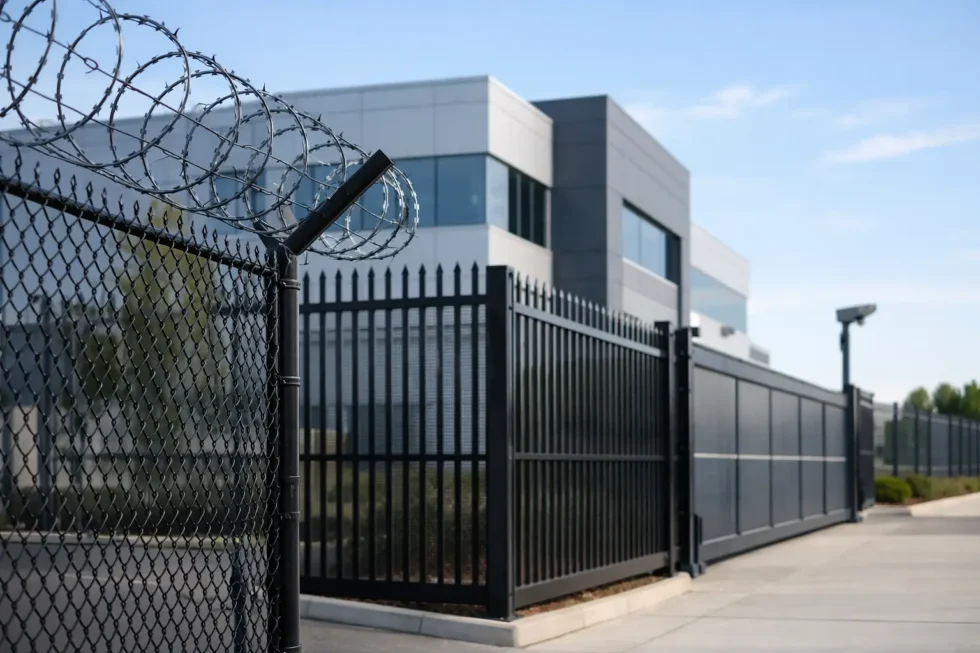
Commercial chain link fencing for warehouses and industrial properties must control access, protect valuable areas, and stand up to daily traffic. The right system depends on what the property needs to secure, who must enter, how vehicles move through the site, and what level of visibility or deterrence the operation requires.
Modern Fence Company works with commercial and industrial property owners, facility managers, contractors, and project teams throughout Western Arkansas and Eastern Oklahoma. From our Fort Smith location, we plan fencing, gates, access control, and related metal work around the demands of the site instead of treating the fence as a stand-alone product.
Why Chain Link Fits Many Commercial Properties
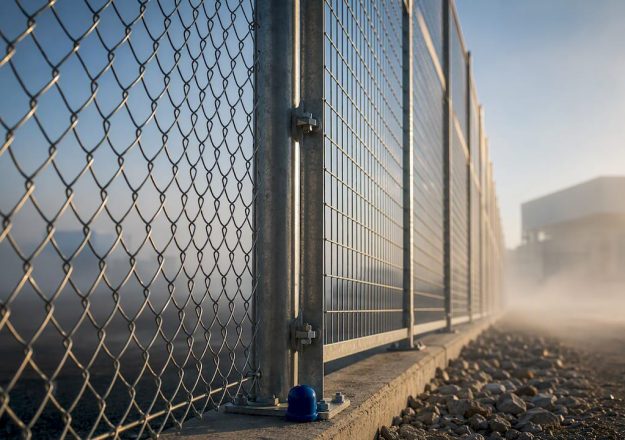
Chain link fencing is widely used around warehouses, distribution yards, manufacturing plants, utility areas, equipment storage, and outdoor inventory. It provides a clear physical boundary while allowing visibility through the fence. Staff can monitor activity, drivers can see around corners, and security teams can maintain open sight lines.
It is also flexible. Fence height, wire gauge, mesh, coating, posts, rails, gates, and security additions can be selected for the project. This makes chain link useful for everything from a basic property boundary to a more controlled industrial perimeter.
Material alone does not determine security. A tall fence with a poorly planned gate can still create problems. A complete design must consider the perimeter, entry points, traffic flow, operating hours, and the assets inside the fence.
Start With a Site and Risk Review
Before requesting a commercial fence bid, identify the areas that need protection. These may include outdoor equipment, fleet vehicles, loading zones, utility connections, fuel storage, materials, employee parking, and parts of the building that should not be open to the public.
The perimeter may not need the same treatment everywhere. A street-facing section may need a cleaner appearance. A back service yard may need greater height or added security. Interior fence runs may be used to separate employees, visitors, equipment, or hazardous work areas.
We also review site conditions such as slopes, drainage, pavement, truck turning areas, fire lanes, easements, and utility locations. These details affect post placement, gate width, and how the fence connects to buildings or other barriers.
Select Height, Gauge, Mesh, and Finish for the Job
Commercial chain link systems can be adjusted to match different security needs. Taller fencing can provide a stronger boundary and make climbing more difficult. Heavier wire and smaller mesh can increase resistance to cutting or bending. Stronger posts, rails, fittings, and foundations support the system under heavier use and site conditions.
Galvanized chain link is common for commercial work because it offers practical corrosion resistance. Vinyl-coated chain link may be selected when appearance is important or when the project calls for a darker finish. The coating, wire, framework, and hardware should be specified as a complete system.
Privacy slats or screens may be used to limit views of outdoor storage, work areas, or equipment. They can add wind load, so posts and foundations may need to be planned differently. Temporary screens should not be attached to a permanent fence without checking whether the structure was designed for the added force.
Vehicle Gates Need Careful Planning
Vehicle gates are often the hardest-working part of a commercial fence. They may open many times each day for employees, deliveries, service trucks, and large trailers. A gate that is too narrow or placed too close to a turn can slow traffic and increase the chance of damage.
The right gate style depends on available space and operations. Swing gates need room to open without blocking traffic or creating conflicts. Slide and cantilever gates can be useful where a swinging panel would interfere with the drive, but they require clear travel space and suitable support.
We consider opening width, vehicle size, turning radius, grade, frequency of use, and whether the gate will be manual or automated. Protective posts or bollards may also be appropriate near operators, keypads, and other equipment where vehicles could strike them.
Pedestrian Access Should Be Separate and Controlled
Employees and visitors should not have to walk through an active vehicle gate when a separate pedestrian entrance is needed. A walk gate can create a clearer path and help the business control who enters each part of the property.
Gate hardware should fit the property’s safety and security plan. Depending on the use, that may include keyed locks, panic hardware, closers, card readers, keypads, or other access control equipment. The fence contractor, access-control team, electrician, fire official, and property representative may need to coordinate so the finished entrance works as planned.
Access requirements can also affect emergency egress and fire department entry. Project requirements should be reviewed before fabrication and installation, not after the gate is in place.
Add Access Control Around Real Operations
Automated gates and access control can help a facility manage entry without relying on an unlocked opening or a staff member stationed at the gate. The system may use keypads, cards, remotes, vehicle devices, intercoms, or other credentials based on how the business operates.
The best setup is not always the one with the most features. It is the one employees, vendors, and authorized visitors can use consistently. Management should decide who receives access, when access is allowed, how credentials are removed, and what happens during a power or equipment failure.
Modern Fence Company provides access control services that can be coordinated with the fence and gate plan. Combining these decisions early can reduce conflicts between the gate structure, operator, safety devices, electrical needs, and entry equipment.
Plan Around Construction and Daily Business Activity
A commercial fence project must often be completed while the property remains active. Deliveries, shifts, customer access, construction work, and emergency routes may continue during installation. A clear phasing plan can help reduce disruption.
Some projects need temporary fencing while old fencing is removed or a permanent system is installed. Rental fencing can help define work zones, limit public access, and protect open sections of the perimeter. The temporary layout should be coordinated with the site superintendent or facility manager and adjusted as work progresses.
Contractors requesting a bid should provide available plans, specifications, schedules, gate details, and access-control requirements. Property owners without formal drawings can begin with a site meeting and a clear description of their security and operating needs.
Maintenance Protects the Fence Investment
Commercial fencing should be inspected on a regular schedule and after impacts or major weather. Staff should look for loose fabric, damaged posts, bent rails, missing fittings, washout near foundations, and gates that drag or no longer align.
Vehicle gates and automated systems deserve special attention because moving parts and repeated use create wear. A small alignment or hardware problem can grow into downtime if it is ignored. Keeping vegetation, stored materials, and debris away from the fence line also makes inspection easier.
Repairs should address the reason for the damage, not only the visible result. If trucks repeatedly strike the same post, the site may need better traffic control or protection around the gate. If water washes soil from foundations, drainage may need attention along with the fence repair.
Request a Commercial Fence Bid
A useful commercial fence bid should be based on the project’s security needs, site conditions, gate traffic, and construction requirements. It should clearly identify the fence system, height, framework, gates, hardware, coatings, access-control scope, and any temporary fencing included in the work.
Modern Fence Company has served the Fort Smith region since 1950. We work on commercial fencing, chain link systems, gates, access control, rental fencing, and metal fabrication for properties across Western Arkansas and Eastern Oklahoma.
To discuss a warehouse, industrial, construction, or commercial property, call us at (479) 649-6511 or send project information through our online contact form. Plans, specifications, site photos, and scheduling details can help our team review the scope and prepare for the next step.