The best backyard fence for dogs is one that fits the dog’s size, behavior, and daily routine while giving the household the privacy and appearance it wants. A fence that works well for a calm small dog may not contain a large dog that jumps, climbs, digs, or pushes against weak sections.
At Modern Fence Company, we plan residential fences around the whole property. That includes fence height, spacing, gates, ground clearance, slopes, and the places where a determined dog may find an opening. Homeowners in Fort Smith and nearby communities can choose from wood, vinyl, chain link, and iron fencing, but the safest choice depends on more than material alone.
Begin With Your Dog’s Behavior
Before choosing a fence, think about what your dog does when excited, bored, or distracted. Does the dog jump at people walking past the yard? Does it dig near the fence line? Can it climb chain link? Does it squeeze through narrow spaces or push under loose boards? These details should guide the design.
Height is a common concern for larger dogs and strong jumpers. A taller fence can help, but it must also be installed with stable posts and strong rails. Dogs that climb may need a smooth privacy surface instead of an open mesh. Dogs that dig may require careful attention to the bottom of the fence and the grade along the fence line.
No fence can replace supervision or training, and no single design works for every animal. A well-planned fence can reduce common escape points and make the yard easier to use safely.
Wood Privacy Fences for Dogs
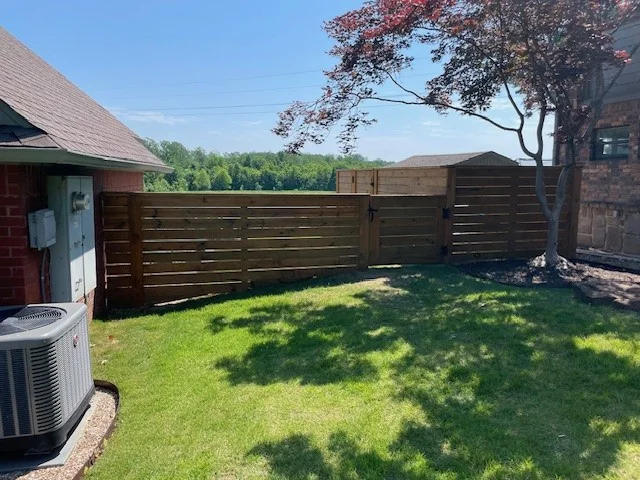
A wood privacy fence is a popular choice for households that want both containment and a more private backyard. Solid or closely spaced pickets limit views through the fence. That can be helpful for dogs that bark, charge, or become stressed when they see people, vehicles, or animals outside the yard.
Wood fencing can be built in several heights and styles. It can also follow many yard layouts and handle custom gate openings. Because wood is a natural material, it needs upkeep. Boards can warp, crack, or loosen over time, and areas near the ground should be watched for moisture damage.
For dog owners, regular inspections matter. A loose picket or gap below a gate can become an escape route quickly. Fence cleaning and staining may help suitable wood resist weathering, while damaged structural parts should be repaired promptly.
Vinyl Privacy Fences for Dogs
Vinyl fencing offers a solid surface, good privacy, and less routine finishing than wood. Smooth panels can be difficult for many dogs to climb, and the material does not rot or require staining. It is also easy to rinse when mud collects near the bottom.
The fence still needs proper installation. Posts, rails, panels, and gates must be sized and set for the site. Large dogs that hit or push the fence may place more stress on sections and hardware. We consider the dog, the grade, wind exposure, and the planned height when discussing vinyl fence installation.
Vinyl can be a strong choice for homeowners who want privacy with a consistent appearance. Color and style options may be more limited than custom wood designs, so the final choice should balance function, appearance, and budget.
Chain Link Fences for Dogs
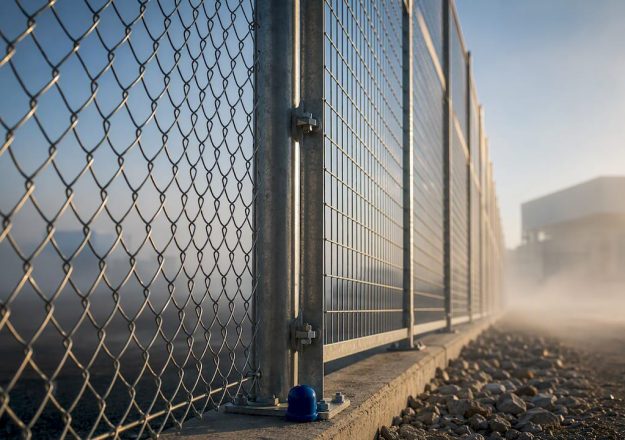
Chain link fencing provides a durable, practical boundary while keeping the yard visually open. It is often a good fit for homeowners who want a secure enclosure without blocking the view or committing to the cost of a full privacy fence.
Mesh size, wire gauge, fence height, posts, tension, and gate hardware all affect performance. Small dogs need openings they cannot squeeze through. Large or active dogs may require a taller and stronger system. Some dogs can climb standard chain link, so their behavior must be considered before selecting it.
Privacy slats may reduce visibility, but they also change wind load and do not create the same solid surface as wood or vinyl. We can explain the available chain link options and whether they fit the way your dog uses the yard.
Iron Fences and Open-Style Metal Fencing
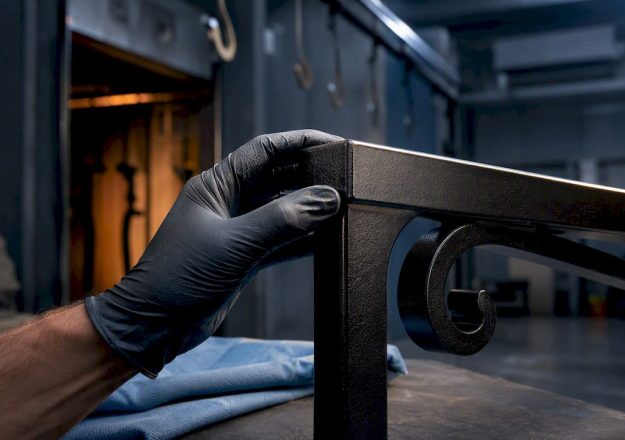
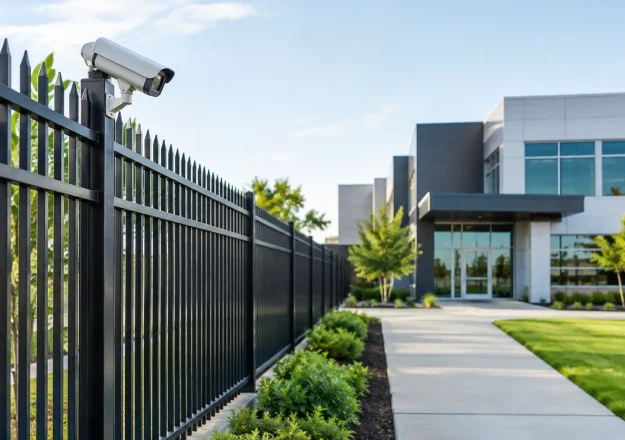
Iron fencing can provide strength, long service, and an attractive open view. It works well for many front yards, side yards, and properties where homeowners want to preserve the look of landscaping or an outdoor view.
Picket spacing is especially important for dogs. Openings must be narrow enough to keep the dog from slipping through or getting its head caught. The clearance below the fence and gates also needs attention, particularly on sloped ground.
An open iron fence may not be the right choice for a dog that reacts strongly to activity outside the yard. In those cases, a privacy fence or a combination of materials may better support the household’s needs.
Safe Gates Matter as Much as Fence Panels
Many dog escapes happen at gates. A gate must close reliably, stay aligned, and latch in a way the dog cannot easily push or lift open. The gap beneath the gate should be reviewed after installation and checked as soil settles or washes away.
Gate width matters, too. A narrow walk gate may be enough for daily use, while a wider opening may be needed for mowers, trailers, or service access. The wider and heavier the gate, the more important proper posts, bracing, hinges, and hardware become.
Households with children, frequent visitors, pool areas, or service workers may need added gate controls. We can plan the gate location and hardware around how people and pets move through the property.
Plan for Slopes, Drainage, and Digging
A backyard rarely has a perfectly level fence line. Slopes and low areas can create larger gaps beneath a fence or gate. Drainage channels may also carry soil away over time. During an estimate, we review these conditions and discuss how the chosen fence can follow the grade.
For dogs that dig, homeowners may need added measures along problem areas. The right solution depends on the soil, drainage, fence material, and severity of the behavior. It is important not to block drainage in a way that sends water toward the house or neighboring property.
Trees, roots, utility locations, retaining walls, sheds, and existing concrete can also affect the layout. Planning around these conditions before installation helps avoid weak corners and awkward openings.
Choose a Fence That Works for the Whole Household
The dog may be the reason for the project, but the fence should still work for the people who live there. Think about privacy, curb appeal, maintenance, outdoor entertaining, children, pool access, and how long you expect to stay in the home.
We can compare materials without treating one choice as the answer for every yard. Wood offers design flexibility and privacy. Vinyl offers privacy with less finishing. Chain link provides practical containment and an open view. Iron provides an attractive open boundary when spacing and visibility fit the dog.
Modern Fence Company has served the Fort Smith area since 1950. We use our experience with different materials, gates, and property conditions to help homeowners choose a fence that fits the actual job.
Request an Estimate for a Dog-Friendly Backyard Fence
If you are planning a new fence for your dog, tell us about the dog as well as the yard. Size, age, jumping, climbing, digging, and reactions to outside activity can all affect the recommendation.
Contact Modern Fence Company for a residential fence estimate in Fort Smith or surrounding areas of Western Arkansas and Eastern Oklahoma. Call (479) 649-6511 or send us a message through our contact form. We will help you compare material, height, gate, and layout options for a backyard fence built around your needs.