
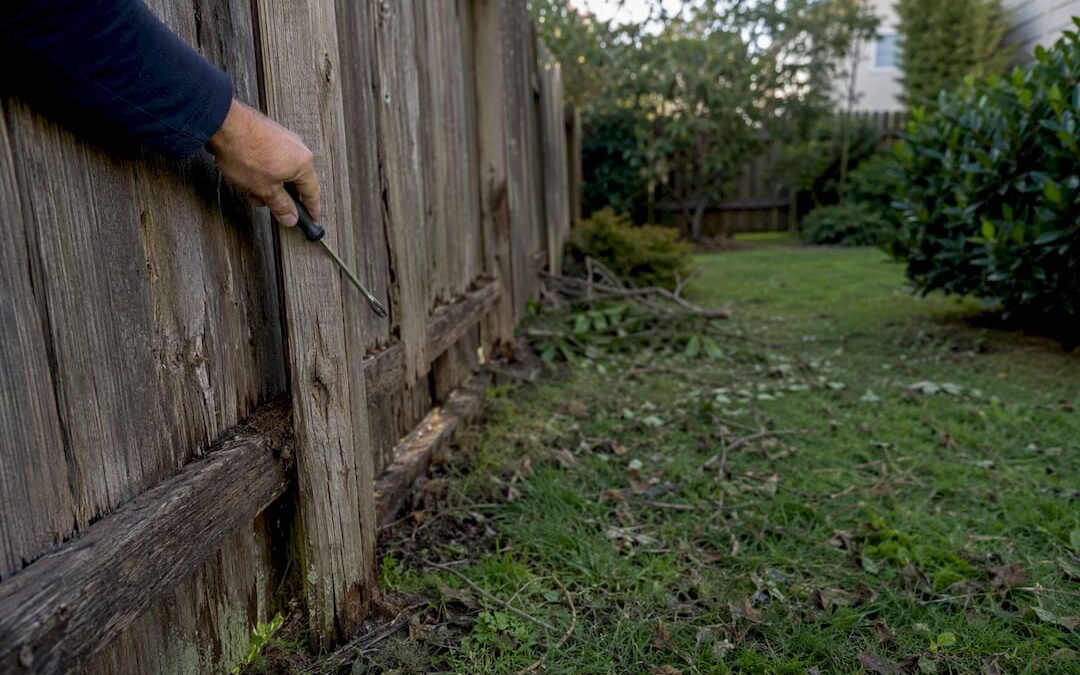
Secure the yard, photograph everything before you touch a board, then check the posts. If they’re still plumb and the footings are intact, you’re almost certainly looking at a repair. If posts are pulled, snapped, or leaning noticeably out of plumb, plan for replacement of that section, not just a patch.
- Safety first: watch for downed power lines, cracked trees overhead, and gaps in pool barriers.
- Document before cleanup: wide shots, close-ups, and a video walkthrough.
- Then triage: posts and footings tell you whether to repair or replace.
Pro Tip: A 6-foot privacy fence can face roughly 15 pounds per square foot of force in a 60 mph gust, which is why posts fail before boards do in most wind events.
Key Takeaways
Storm damage fence repair succeeds when posts and footings, not boards, determine whether a section gets repaired or fully replaced.
| Point | Details |
|---|---|
| Check posts first | Plumb posts and intact footings usually mean repair; rotated or cracked ones mean replacement. |
| Document before cleanup | Wide shots, close-ups, and weather records strengthen both repair decisions and insurance claims. |
| Stabilize, don’t finalize | Brace and cover damage temporarily, but wait for adjuster review before permanent fixes. |
| Know your coverage limit | Other-structures coverage typically caps around 10% of dwelling coverage, minus your deductible. |
| Rebuild deeper and smarter | Posts set 36 to 42 inches deep with wind-permeable styles resist repeat storm damage. |
| Modernfence handles the full process | Modernfence inspects, documents, repairs, and rebuilds storm-damaged fences across Western Arkansas and Eastern Oklahoma. |
Table of Contents
- How to Assess Storm Damage Fence Problems Before You Touch Anything
- What Temporary Fence Repairs Are Safe to Make After a Storm?
- How Do You Repair Storm-Damaged Fences by Material?
- When Should You Repair vs. Replace a Storm-Damaged Fence?
- How Does Homeowners Insurance Cover Fence Damage?
- How Do You Rebuild a Fence to Resist Future Storms?
- Who Handles Storm-Damaged Fence Repairs in Western Arkansas?
- The One Thing Homeowners Miss After a Storm
- Get a Written Estimate for Storm Fence Repair or Rebuild
- Sources
How to Assess Storm Damage Fence Problems Before You Touch Anything
Before you assess a single board, clear the hazards. Downed power lines near a fence line are not a DIY situation. Call the utility company and keep everyone, including pets, away from the area until it’s confirmed safe. If a tree limb landed across the fence, check whether it’s also resting on a line before moving it. If your fence includes a pool barrier, check that gap first. A breached pool fence is a same-day fix, not a wait-and-see item.
Once the yard is safe, work through the damage methodically:
- Take wide shots of the entire fence line from both sides.
- Photograph close-ups of every damaged post, panel, and hinge.
- Push gently on each post to check for plumb and movement at the base.
- Dig a little at the soil line to see if the footing is cracked or has pulled loose.
- Test every gate for square alignment and working hardware.
Save a screenshot of the storm’s wind speed data from the National Weather Service for your ZIP code and date. That single detail can make the difference in a wind-damage claim, since it ties your loss to a documented weather event rather than general wear.
Pro Tip: Keep a simple damage log with dates, what you observed, and what you fixed. Adjusters trust a paper trail more than a memory.
What Temporary Fence Repairs Are Safe to Make After a Storm?
You don’t have to leave a leaning fence exposed while you wait on an adjuster. Brace loose panels with 2x4s, re-stand fallen sections against a post, and cover exposed post tops so rain doesn’t get into the wood grain. These moves stop the damage from spreading without altering the evidence your claim depends on.
- Brace leaning sections with lumber stakes driven into solid ground.
- Re-secure loose panels so they don’t blow off in the next gust.
- Cover any exposed post ends with a tarp or cap.
- Avoid full rebuilds or permanent post resets before the adjuster has seen the damage.
- Skip unlicensed structural work, especially on posts near property lines or shared fences.
- Keep every receipt for lumber, stakes, or hardware; insurers often reimburse reasonable temporary stabilization costs.
Photograph the temporary fix itself once it’s in place. That image, paired with the receipt, becomes part of your reimbursement request later.
How Do You Repair Storm-Damaged Fences by Material?
Repair techniques differ sharply by material, and guessing wrong here is how a $400 fix turns into a $4,000 one.
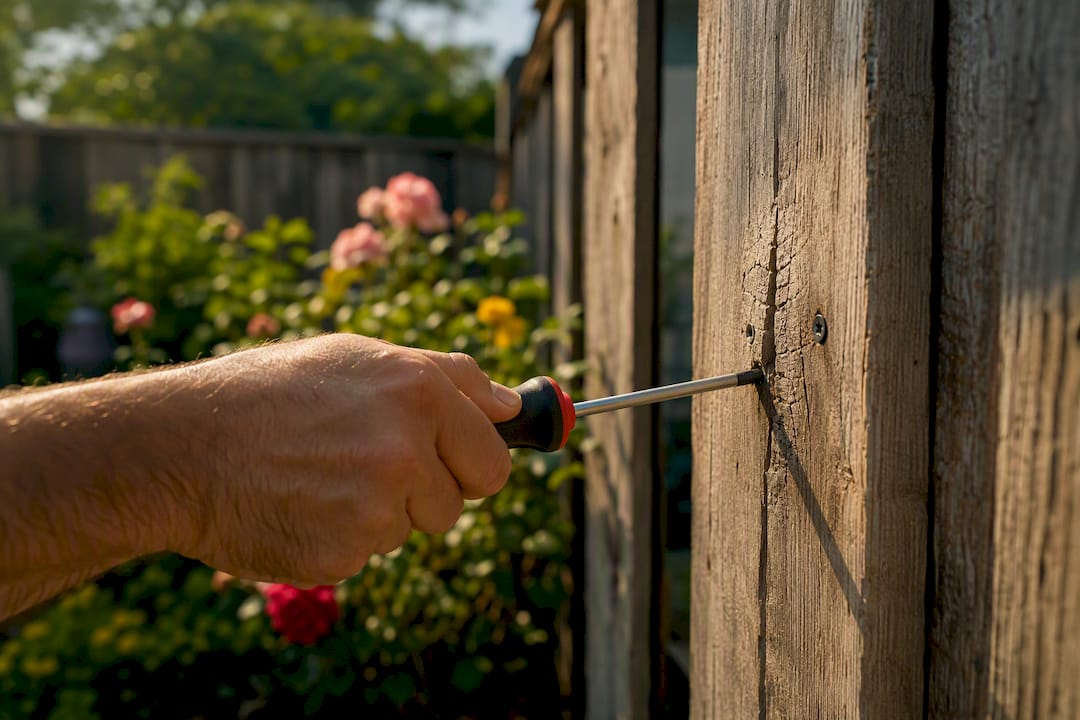
Wood fences hide their worst damage. Hail and flying debris create micro-fractures in the grain that aren’t visible until rot sets in weeks later. Press a screwdriver into any impact point; if it sinks in easily, that board needs replacing, not sanding. Posts that are still plumb can often stay in place while you swap damaged boards, but always seal and re-stain after any repair to keep moisture out of fresh cuts.
Vinyl fences don’t bend under stress, they shatter. Check every rail and post for hairline cracks, especially near brackets. A cracked rail can sometimes be reinforced with an aluminum insert rather than a full panel swap, and post stiffeners help vinyl posts that took a hard gust without snapping.
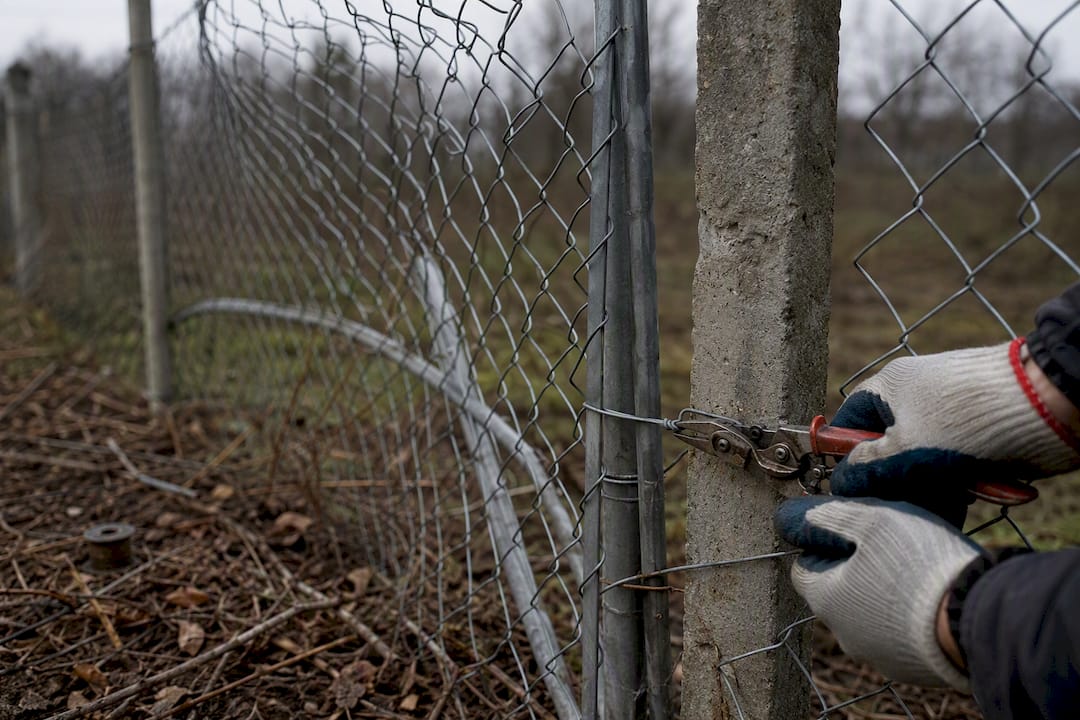
Chain-link fences usually survive storms structurally but lose tension. Re-stretch the fabric, reset any corner posts that shifted, and brace end posts, which carry the most load in wind events.
Ornamental metal fences need a weld inspection after any impact. Straighten pickets carefully; metal fatigues fast when bent back and forth more than once. After flooding, check for corrosion starting at ground level, since standing water accelerates rust at the base long before it’s visible higher up.
Pro Tip: Never paint over a suspect weld. Have it inspected first, or you’ll hide the exact spot most likely to fail next.
When Should You Repair vs. Replace a Storm-Damaged Fence?
Not every damaged fence needs a full rebuild, but plenty of homeowners under-scope the job and end up calling a contractor back within a year.
- Repair territory: a few damaged boards or panels, posts still plumb, footings intact.
- Replace territory: posts rotated more than a small threshold of a couple degrees, cracked footings, or damage spread across more than 40% of a fence run.
- Cost drivers to expect: buried concrete footings that must be broken out, tight access for equipment, discontinued board profiles or colors, and permit requirements for taller or different-material fences.
Before you compare estimates, bring contractors a short checklist so every quote covers the same scope: post count needing replacement, footing depth proposed, board or panel material, and whether permits are included. Our guide on repairing versus replacing a fence breaks down these thresholds in more detail.
How Does Homeowners Insurance Cover Fence Damage?
Most homeowners policies cover fence damage from wind, hail, lightning, and fallen trees under “other structures,” known as Coverage B. That coverage is typically capped around 10% of your dwelling coverage limit, so a $300,000 dwelling policy often yields about $30,000 for fences, sheds, and similar structures combined.
Here’s the claim sequence that actually works:
- File promptly. Most carriers require notice within 30 to 60 days of the storm.
- Photograph before cleanup. Adjusters want to see the damage as the storm left it.
- Get contractor estimates. Written, itemized quotes carry more weight than verbal ones.
- Meet the adjuster on-site. Walk the fence line together and point out post and footing issues, not just visible board damage.
- Ask whether your policy pays actual cash value or replacement cost. ACV factors in depreciation; replacement cost pays to rebuild in kind.
If a neighbor’s tree fell on your fence, coverage generally applies if the tree came down from a covered peril like wind. Insurers can deny the claim if the tree was already dead or diseased and neglect can be shown. Late reporting and pre-existing rot are the two most common reasons legitimate claims get denied, so document condition before storm season, not just after.
How Do You Rebuild a Fence to Resist Future Storms?
Rebuilding the same fence with the same post depth just resets the clock until the next storm. A few upgrades cost more upfront and save you from repeat repair calls.
- Set posts 36 to 42 inches deep for a standard 6-foot fence, with larger-diameter holes and high-strength concrete.
- Favor wind-permeable styles, chain-link, ornamental metal, or shadowbox, over solid privacy panels in wind-prone yards.
- Add steel post inserts or brackets on runs exposed to open fields or wide side yards.
- Reseal and restain wood fences every two to three years to prevent the rot that weakens posts before the next storm even arrives.
| Fence Style | Wind Behavior |
|---|---|
| Solid privacy panel | Highest wind load, most prone to post failure |
| Shadowbox | Partial airflow, reduced load on posts |
| Chain-link | Wind passes through, minimal load on posts |
| Ornamental metal | Wind passes through, load depends on picket spacing |
Our wind-resistant fence guide and post depth guide walk through these specs by fence height and soil type.
Who Handles Storm-Damaged Fence Repairs in Western Arkansas?
Modernfence has operated for more than 70 years, licensed and insured, across Western Arkansas and Eastern Oklahoma. We handle every step of storm recovery:
- On-site inspection and post/footing assessment
- Repairs by material: wood, vinyl, chain-link, and ornamental metal
- Full replacement and rebuild with reinforced post specs
- Fence staining and finishing after repair
- Documentation support for insurance claims and permitting questions
The One Thing Homeowners Miss After a Storm
Homeowners fixate on broken boards and skip the posts. Boards are cheap. A compromised footing isn’t. Mark suspect posts, photograph them, and get an early assessment before you patch anything.
Get a Written Estimate for Storm Fence Repair or Rebuild
There are other paths here: patching it yourself with lumber from the hardware store, or hiring whoever answers the phone first after a big storm rolls through. Neither gives you a documented, insurance-ready estimate or a rebuild that actually holds up next time.

Modernfence gives you a photo-backed, written estimate that separates repair scope from replacement scope, so you’re not guessing what your insurer will approve. We inspect posts and footings, not just the boards you can see from the porch, and we can talk directly with your adjuster about what the damage actually requires. If your rebuild calls for deeper posts, wind-permeable styles, or matching an existing wood or iron fence, our installation guide shows what that looks like done right. Request your inspection and estimate through Modernfence today.
Sources
- Fence Storm Damage: Emergency Repair, Insurance Claims & Prevention — FenceAdvisors
- Fence damage from weather and storms — National Fencing Authority
- Does home insurance cover fence damage from fallen trees? — Allstate