
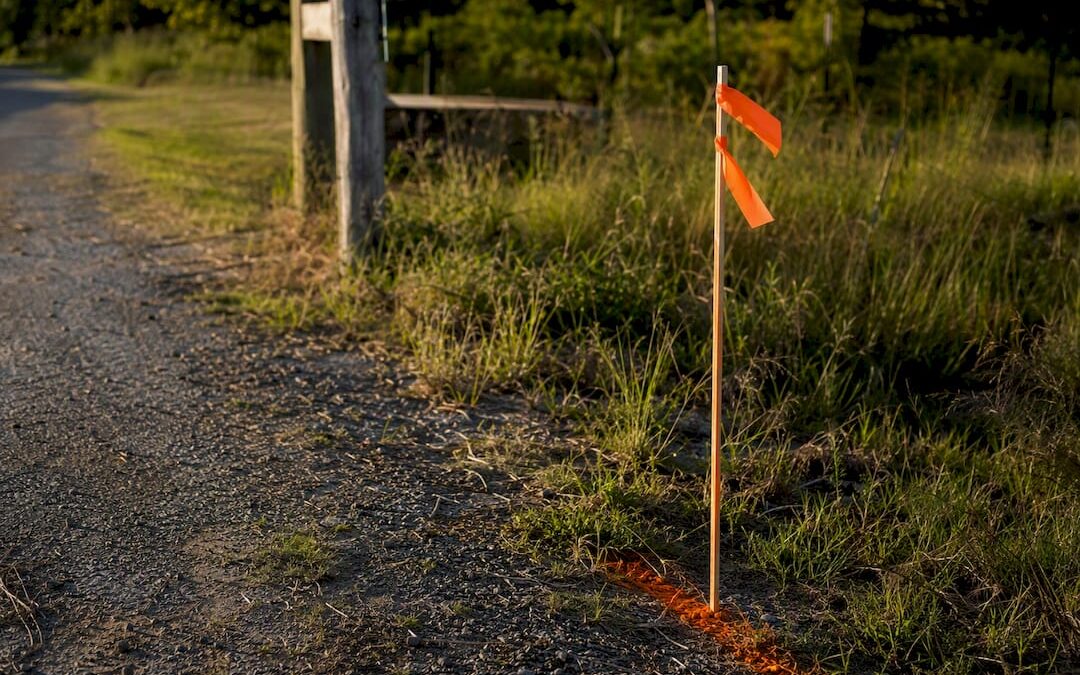
There is no single county-wide fence setback distance written into Sebastian County code for residential properties. Fences must stay on your own property and clear of county road rights-of-way and utility easements, and before you dig a single post hole you need three things confirmed: your property line, any right-of-way or easement on your lot, and an Arkansas 811 ticket. If you’re near Fort Smith or another municipal boundary, check city rules too, since fences over 6 feet often require a separate permit there.
TL;DR:
- Property lines must be confirmed by a licensed survey, especially for fences near shared boundaries or public roads, to prevent costly mistakes.
- Fences in unincorporated Sebastian County are permitted on private property but must avoid county road right-of-ways and utility easements, with no fixed setback distance outlined in county code.
- A permit is generally required if a fence is built within a utility easement, in a floodplain, or over 6 feet in height near municipal boundaries; excavation also mandates an Arkansas 811 ticket.
- The typical 25-foot setback from county roads applies to structures like houses, not automatically to fences, and fences must stay on private land and outside easements.
- Verifying boundaries through a survey, obtaining an Arkansas 811 ticket before digging, and checking local rules before construction are the most critical steps to ensure legal and proper fence placement.
Table of Contents
- Which rules actually govern sebastian county fence setbacks?
- When do you need a permit for a fence in Sebastian County?
- How do you measure fence setbacks from the road right-of-way?
- What height and visibility rules apply to fences here?
- Can floodplain or easement rules stop your fence project?
- How do you confirm your property line before building?
- What’s the fastest way to check everything before installing a fence?
- What most fence guides get wrong about Sebastian County
- Get local installer help for your Sebastian County fence
- Sources
Which rules actually govern sebastian county fence setbacks?
Fence regulations in Sebastian County work differently than most homeowners expect. There’s no dedicated “fence chapter” in the county code that lays out a clean setback number the way a subdivision plat might. Instead, the rules that touch fence placement are scattered across several parts of the Sebastian County Code of Ordinances, including sections on public works, road maintenance, and land use.
This only matters if your property sits in unincorporated Sebastian County. Once you cross into Fort Smith, Barling, Greenwood, or another incorporated city, municipal code takes over and county rules stop applying.
Before you plan a fence line, check these sources directly:
- The Sebastian County Code of Ordinances, searchable through American Legal Publishing
- The Sebastian County Road Department, for right-of-way boundaries on county roads
- Your recorded plat and deed, held by the county circuit clerk’s office
- Any recorded restrictive covenants tied to your subdivision
Treat these as your baseline. A FenceRules summary of Sebastian County confirms fences are permitted in unincorporated areas, but the same source warns that rights-of-way and easement conflicts are where most problems actually start.
When do you need a permit for a fence in Sebastian County?
Permit requirements depend less on the fence itself and more on where it sits and what work it disturbs. Here’s what typically triggers a review:
- Work inside a road right-of-way or utility easement. Any structure placed inside these zones can draw an order to relocate or remove it.
- Floodplain or special flood hazard development. If your lot touches a mapped floodplain, fence design and placement may need separate review.
- Height over municipal thresholds. Fort Smith’s building guidance lists new fences and fence repairs among regulated activities and commonly requires a permit once a fence exceeds 6 feet.
- Excavation of any kind. Post holes count, and that means an Arkansas 811 call is mandatory regardless of permit status.
Pro Tip: Call the county road department before you call anyone else if your fence runs anywhere near a county road. They can tell you exactly where the right-of-way line falls, which saves you from guessing based on where the pavement or ditch happens to sit.
If your property is close to a municipal boundary, call both the county and the nearest city building office. Boundary lines between jurisdictions aren’t always obvious from a driveway.
How do you measure fence setbacks from the road right-of-way?
The most commonly cited number in Sebastian County fence discussions is 25 feet, but that figure needs context. It comes from county materials referencing a 25-foot building setback from county road right-of-way, and it applies primarily to structures like homes, garages, and additions, not automatically to a standard yard fence. Fences are frequently treated differently than buildings in local code language, but that exemption from a numeric setback does not mean you can build anywhere on your lot.
Two things still constrain fence placement no matter what:
- Your fence has to sit on private property, fully outside the county road right-of-way.
- Your fence has to avoid utility easements unless the utility company has given written permission.
One overlooked detail trips up more property owners than any setback number: the right-of-way line is rarely where the pavement or ditch appears to end. County road right-of-way is sometimes defined by a centerline offset and sometimes by an entire surveyed parcel width, and relying on the visible edge of the road can put your fence inside county property without you realizing it.
Corner lots carry an extra layer of scrutiny. Sight-visibility triangles near intersections keep fences, dense shrubs, and other obstructions low enough that drivers can see cross traffic and pedestrians. If your lot touches an intersection or a shared driveway, confirm what height limit applies within that triangle before you set posts.
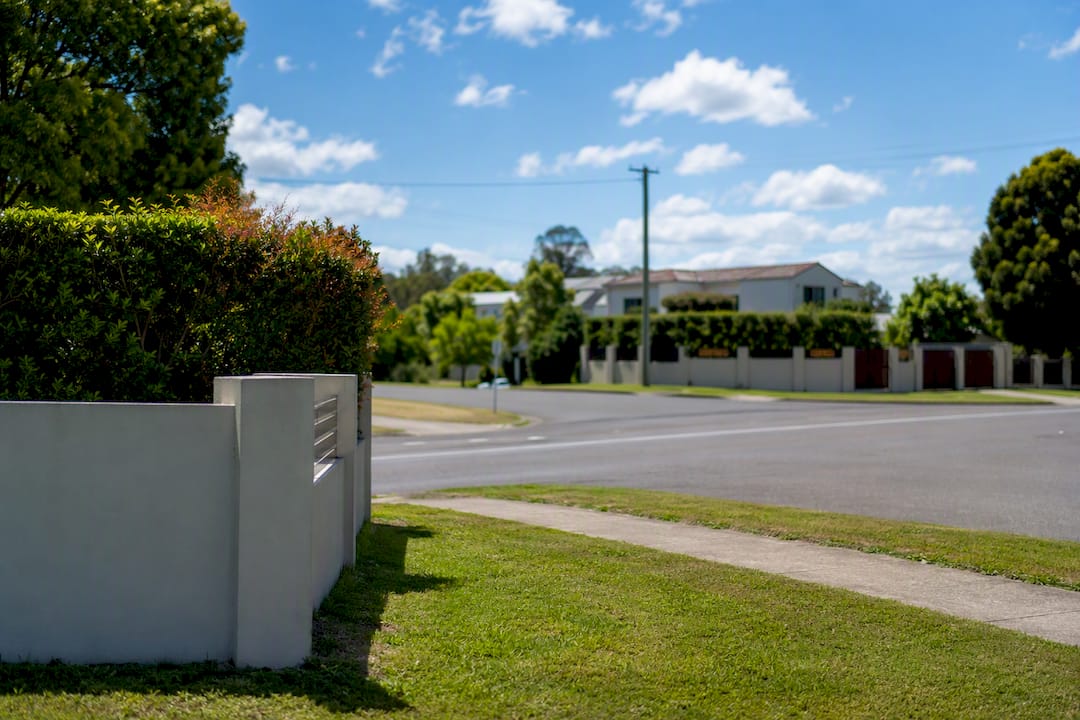
When the right-of-way line is unclear from your deed or from what the road department can tell you over the phone, a licensed survey is the only way to settle it with certainty.
What height and visibility rules apply to fences here?
Sebastian County doesn’t set a blanket residential fence height limit in its unincorporated areas. Cities inside the county do, and the difference matters the moment you’re near a boundary.
- Fort Smith commonly requires a permit for fences taller than 6 feet, per its building safety guidance.
- Sight triangles at intersections and near driveways or alleys generally require lower fencing or open-style materials so visibility isn’t blocked.
- Violating a visibility or height rule can bring an order to alter or remove the fence, and it can create liability if a collision or injury happens as a result.
Check with your municipal building office directly if your lot sits inside or adjacent to a city, since the county’s lack of a uniform height rule doesn’t extend to those jurisdictions.
Can floodplain or easement rules stop your fence project?
Setbacks aren’t the only thing that can force a redesign. Floodplain status, drainage patterns, and easements all carry their own restrictions, and they apply whether or not a numeric setback exists.
- Property in a mapped special flood hazard area may need a different fence design, different materials, or a separate review before construction begins, since statewide floodplain requirements still apply even without a general county fence code.
- Utility and drainage easements typically prohibit permanent structures outright, meaning a fence built across one can be ordered removed at the owner’s expense.
- Some county code sections call for a “neat appearance” or finished look on street-facing fences, language worth checking if your property fronts a public road.
A quick primer on how floodplains actually work can help you understand why a fence that looks harmless on paper might still need a second look from the county.
How do you confirm your property line before building?
Confirming your actual boundary is the single step that prevents the most expensive mistakes. Here’s the process worth following in order:
- Order a licensed boundary survey. State guidance on resolving boundary issues before selling Arkansas land recommends this step specifically to avoid encroachment disputes, and it applies just as much to building a fence as to selling a parcel.
- Pull your recorded plat and deed description from the county circuit clerk, and involve a title company if the description is vague or contradicts a neighbor’s understanding of the line.
- Talk to your neighbor before you build, especially near a shared line, and put any agreement about the boundary in writing.
Pro Tip: Keep the survey document in a folder with your permit paperwork. If a dispute surfaces years later, that survey is the strongest evidence you have that your fence sits where it’s supposed to.
What’s the fastest way to check everything before installing a fence?
Run through this checklist before you order materials or schedule labor:
- Confirm your property lines with your deed, plat, or a licensed survey.
- Call Arkansas 811 before any digging, no exceptions.
- Review the Sebastian County Code of Ordinances and contact the county road department for right-of-way confirmation.
- Identify any utility easements or floodplain designations on your parcel.
- Check your deed and any recorded HOA covenants for private restrictions.
- Confirm whether your project needs a permit, especially near a municipal boundary.
- Keep your survey, permit, and Arkansas 811 ticket on file.
- Hire a licensed installer familiar with local placement rules.
Those records matter later. If a neighbor disputes your line or the county questions a fence’s placement, your survey and 811 ticket are the documents that settle it fastest.
What most fence guides get wrong about Sebastian County
Most advice on fence setbacks assumes a tidy number exists somewhere in county code, and readers spend hours hunting for it. That number doesn’t exist for residential fences in unincorporated Sebastian County, and treating the 25-foot road setback as a universal rule is the most common mistake I see repeated across secondhand summaries of local code.
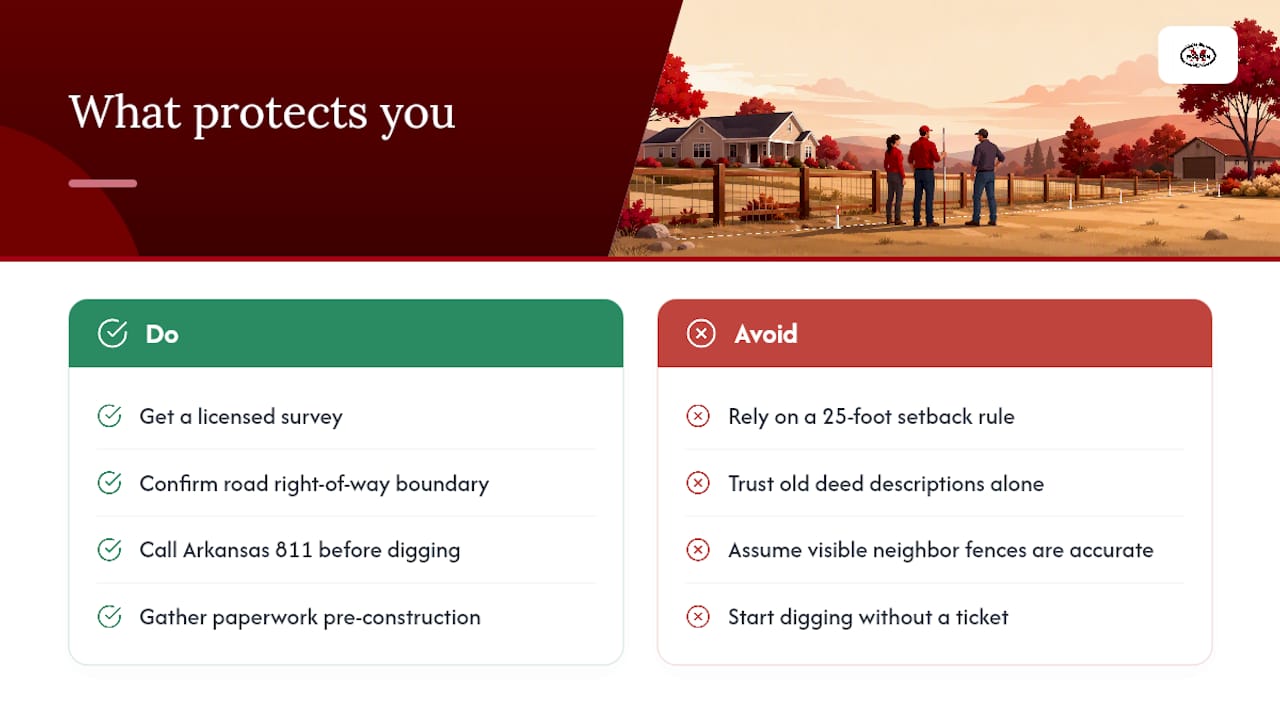
What actually protects you isn’t a setback figure. It’s the combination of a verified property line, a confirmed right-of-way boundary, and an Arkansas 811 ticket before anyone touches a shovel. County code puts the compliance burden on the property owner rather than spelling out every scenario, which means the paperwork you gather before construction matters more than any single number you might find online.
If I had to prioritize one step above the rest, it’s the survey. Deed descriptions can be decades old and imprecise, visible fence lines from old neighbors are frequently wrong, and the county road right-of-way is often wider than it looks from the driveway. A licensed survey resolves all three problems at once, and it’s the one document that holds up if a dispute ever reaches a courthouse.
— mark
Get local installer help for your Sebastian County fence
Modernfence has installed fences across Sebastian County for more than 70 years, and that history means we already know which county roads carry wider rights-of-way, which subdivisions have strict deed covenants, and which floodplain zones require design adjustments before a single post goes in. As a licensed and insured contractor, we coordinate the details readers just learned to check themselves: confirming boundaries, placing an Arkansas 811 ticket ahead of digging, and working with county offices when a permit or floodplain review is required.
Whether you need a straightforward residential fence installation or a full property survey coordinated alongside your build, our crews handle the compliance work while you focus on the fence you actually want. For material selection and budgeting details, our fence installation guide walks through what affects cost and timeline before your project starts. Call Modernfence today or request a free estimate through our contact page to get a licensed crew on your property line, not just an online guess.
Sources
- Arkansas 811
- Code of Ordinances Sebastian County, Arkansas
- Fence Rules – Sebastian (County), Arkansas
- Fort Smith building safety FAQ