
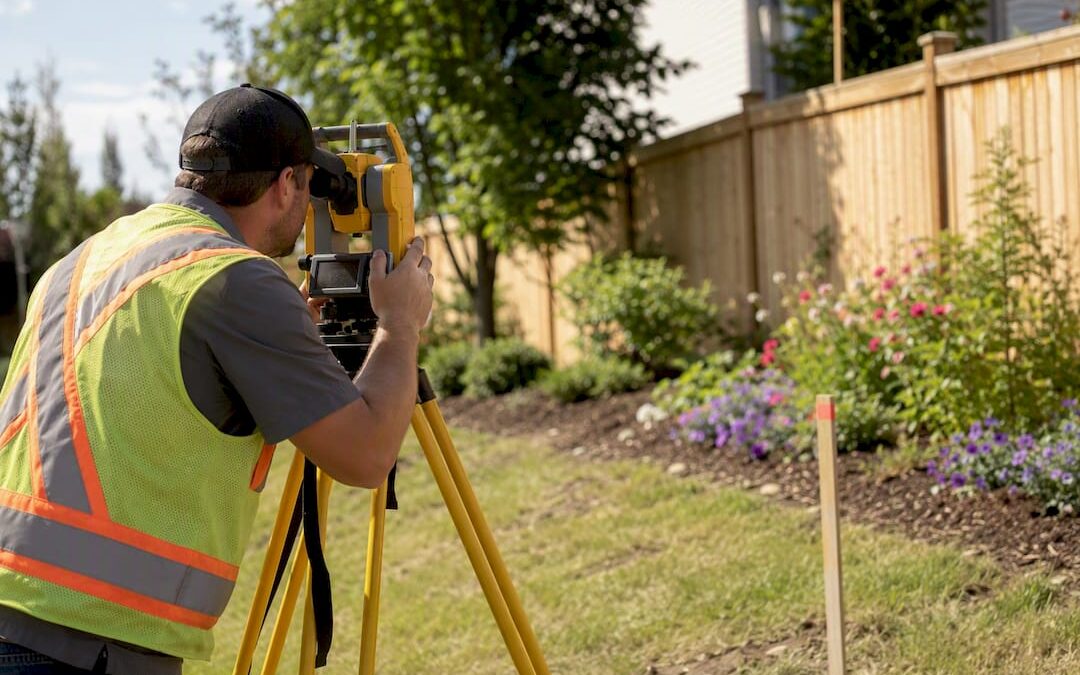
A fence project needs a formal survey when your local permit office or HOA requires one, when property lines are unclear, or when you’re fencing near a boundary you haven’t confirmed since buying the property. If none of those apply and your fence sits well inside a clearly documented lot, a survey is still strongly recommended rather than mandatory. Either way, one step is non-negotiable: call 811 with appropriate advance notice before you dig, and write down your ticket number.
- Survey required or recommended: permits, HOA rules, unclear lines, or a recent purchase
- Safety step (always): call 811 well before digging
- Document it: save your ticket number and the list of utilities notified
Pro Tip: Keep your 811 ticket number in the same folder as your survey plat. If a utility strike happens later, that paper trail is what protects you.
Key Takeaways
A survey before fencing prevents boundary disputes, but calling 811 at least two business days before digging is the one step every fence project requires regardless of survey status.
| Point | Details |
|---|---|
| Call 811 first | Notify at least 2 business days before digging and record your ticket number for compliance. |
| Check permit and HOA rules | Many jurisdictions require a survey or plot plan before approving a fence permit or HOA design request. |
| Hire a licensed surveyor | A sealed plat and physical corner pins are the only way to legally confirm your property line. |
| Loop in your neighbor early | A written agreement on the staked line and setback prevents disputes after construction starts. |
| Work with Modernfence | Modernfence builds to your surveyed line and coordinates permits, 811 marks, and HOA approval on your behalf. |
Table of Contents
- When Do You Need a Land Survey Before Fencing?
- Call 811 Before You Dig: What the Process Actually Looks Like
- How to Get a Survey for Your Fence Project
- Working With Neighbors and Your HOA Before You Stake Anything
- Getting Your Contractor Ready to Build on the Surveyed Line
- If the Survey Finds an Encroachment or Setback Problem
- How Modernfence Handles the Survey-to-Installation Sequence
- Why Most Fence Disputes Are Preventable, Not Inevitable
- Build With Confidence Once Your Survey Is Done
- Frequently Asked Questions
- Sources
When Do You Need a Land Survey Before Fencing?
Not every fence needs a licensed surveyor standing in your yard. A survey requirement usually comes down to three things: your local building department, your HOA, and how confident you are in your existing property lines.
Local rules are the biggest variable here. Some cities require a survey or plot plan before issuing a fence permit, especially for fences near the front setback or on corner lots. Others leave it up to the homeowner. A property survey is not universally required by law, but it’s frequently a condition of permit approval or HOA sign-off, so check both before you assume you’re in the clear.
Answer these questions to decide whether to order a survey now:
- Does your city or HOA require a survey or plot plan for fence permits?
- Have you bought the property within the last few years without a boundary survey on file?
- Are your property corners marked with visible pins, or are they missing or buried?
- Is there a recorded easement, drainage line, or shared driveway near your planned fence line?
- Has a neighbor ever questioned where the property line actually falls?
A “yes” to any of these means you should commission a survey before staking anything. Simple backyard fences on lots with clearly documented boundaries may not strictly need one, but any hint of boundary uncertainty changes that calculation fast.
Call 811 Before You Dig: What the Process Actually Looks Like
Every fence project involves digging, whether you’re setting posts in concrete or driving them into the ground, and that means 811 comes before your surveyor’s stakes even matter for construction. Here’s how the process runs:
- Submit your locate request to 811 at least two business days before digging. Note your ticket number the moment it’s issued.
- Wait for field marking. Locators paint or flag the approximate horizontal position of member utility lines using the APWA Uniform Color Code (red for electric, yellow for gas, blue for water, and so on).
- Dig only after marks appear, and only within the tolerance zone rules for your state, typically requiring hand-digging within 18 to 24 inches of a marked line.
- Track your ticket’s expiration. Tickets commonly expire after 14 to 30 days depending on your state, so don’t let a delayed project run past that window without a refresh request.
One detail catches homeowners off guard every year: 811 only marks utilities owned by member companies. Private lines, irrigation systems, invisible dog fences, and landscape lighting are not covered, so a private locate service using ground-penetrating radar is worth the cost if your yard has any of that infrastructure.
Fence installation is a bigger cause of utility damage than most people assume. Industry reporting cited by the Damage Prevention Council of Texas puts fence-building activity behind roughly one in ten pipeline damages, which is a striking share for what looks like a simple backyard project.
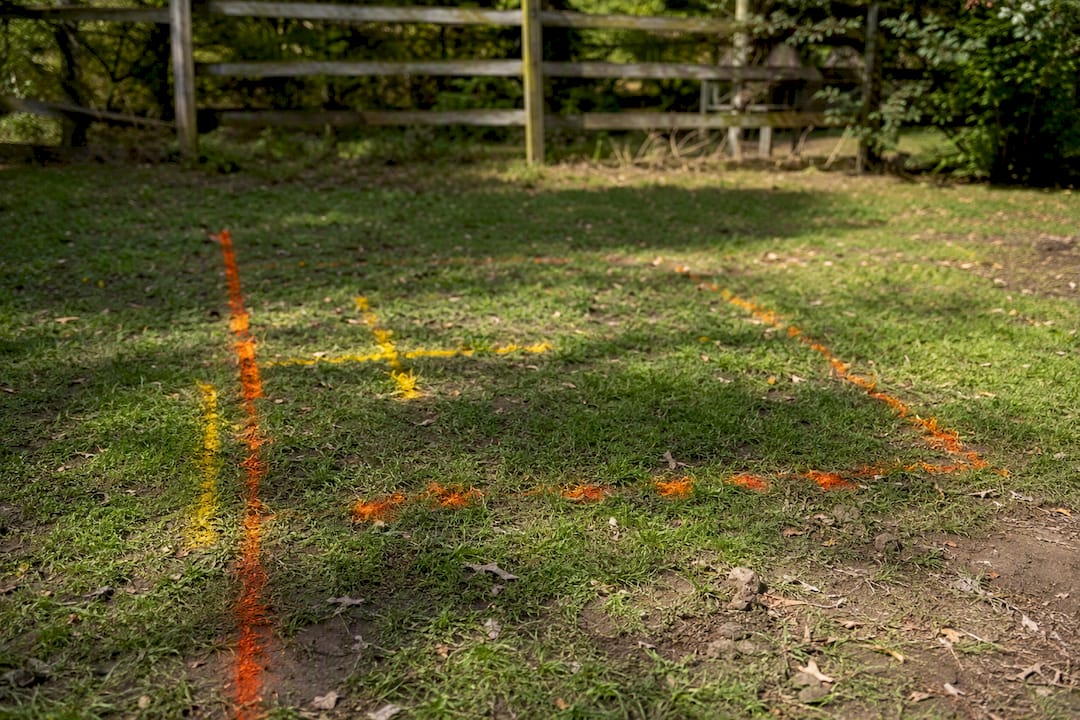
Pro Tip: Mark your planned dig area with white paint before you call it in. It speeds up the locate visit and keeps your work zone obvious even after a few days of weather.
How to Get a Survey for Your Fence Project
Most homeowners fencing a residential lot need one of three survey types, and picking the right one saves both money and time.
- Boundary survey: establishes your full property lines and corners; the standard choice for most fence projects.
- Fence or spot survey: a narrower, cheaper version that confirms the line only where your fence will run.
- ALTA/land-title survey: a detailed, expensive option typically reserved for commercial property or complex title disputes, not a backyard fence.
A licensed land surveyor pulls deed records and plat maps, then uses GPS and physical monuments to locate your actual corners. Ask any surveyor you’re considering for their license number, a sample sealed plat from a past job, and how they handle disputed pins. Their deliverable should include a sealed boundary plat, either digital or on paper, plus physical stakes or metal corner pins driven into the ground.
Cost depends heavily on lot size, terrain, and how recently the area was surveyed. Wooded lots, oddly shaped parcels, and properties with missing historical records all push the price up, and scheduling can add another two to four weeks depending on surveyor availability and permit review timing. Before hiring, ask exactly how far your fence posts need to sit from the marked pin. That single number is what your contractor needs to build to the correct line.
Working With Neighbors and Your HOA Before You Stake Anything
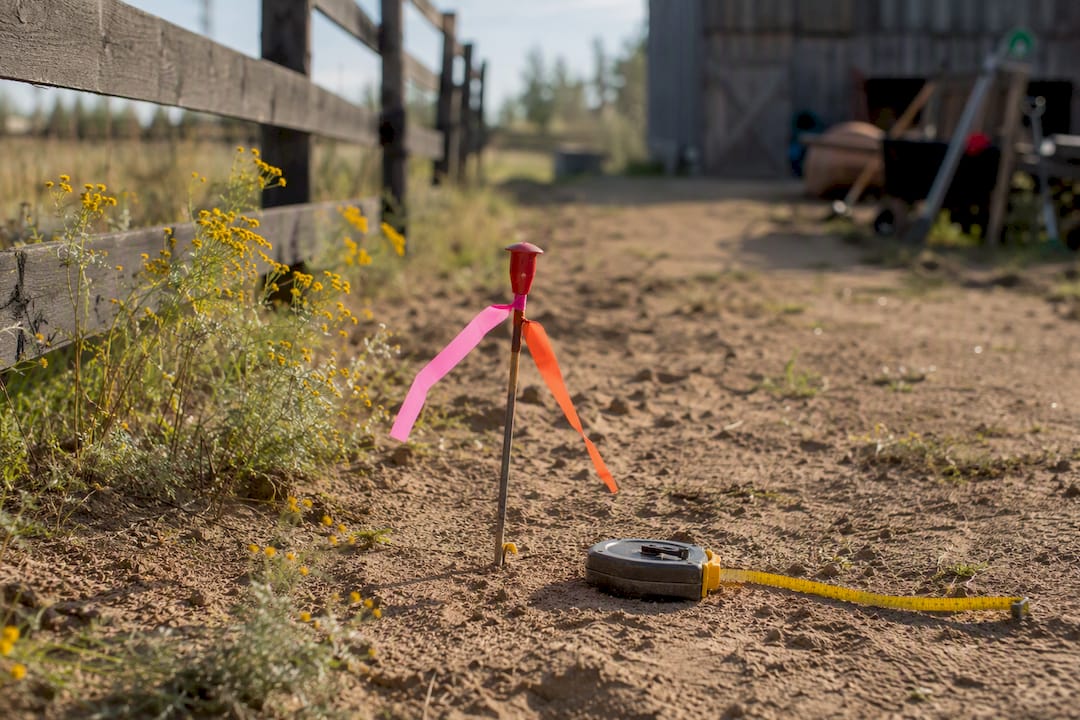
Once your survey confirms the line, talk to your neighbor before the crew shows up. A short note or conversation showing them the staked line, your planned setback, and any gate or access points heads off the majority of fence disputes before they start.
Put the agreement in writing, even informally. Include:
- A copy or photo of the staked boundary line
- The exact setback you’re building at
- Any shared gate, access point, or maintenance responsibility
- Both parties’ signatures or a simple email confirmation
If your HOA requires design approval, submit your survey and materials list early. Reviews often take two to six weeks, and boards frequently have their own rules on height, materials, and setback that go beyond city code. Where the line has ever been disputed, a joint survey paid for jointly with your neighbor can settle the question for good and remove any future argument about whose surveyor was “right.”
Getting Your Contractor Ready to Build on the Surveyed Line
Your survey is only useful if your contractor actually builds to it. Hand over the sealed plat or PDF, a photo of the marked stakes, and the exact setback distance from the pin before any quotes come in. A written scope covering linear footage, height, material, gate locations, old-fence removal, and who pulls the permit keeps every bid comparable.
Before the crew arrives, work through this checklist:
- Confirm utility marks are still visible or request a refresh if your 811 ticket expired
- Secure permits and any HOA design approval
- Clear brush, roots, and debris along the fence line
- Mark equipment access points and parking for the crew
- Note irrigation heads and low-voltage lighting runs near the dig path
On the first walk-through, ask your contractor about post depth, spacing, whether they’re setting posts in concrete or using surface mounts, and how they’ll handle roots or utility lines if something unexpected turns up. Our contractor checklist walks through the same questions in more detail if you want a reference before that conversation.
If the Survey Finds an Encroachment or Setback Problem
Sometimes the survey turns up bad news: an old fence sitting a foot over the line, a recorded easement running straight through your planned gate location, or a setback violation nobody caught until now. Missing corner pins are common too, especially on older properties.
Your options generally fall into four categories:
- Move the new fence line inside your own confirmed property boundary
- Negotiate a written boundary agreement with your neighbor for a shared or adjusted line
- Request a formal boundary line adjustment through your local recording office
- Redesign the fence layout to route around the easement or setback conflict
Pause construction and consult a real estate attorney or professional mediator if the encroachment involves a structure, a long-standing fence, or a neighbor who disagrees with the new survey findings. Gather your sealed plat, any prior surveys, and photos of existing markers before that conversation. Building over a recorded easement or onto a neighbor’s land isn’t a minor paperwork issue. It can trigger removal orders, fines, or a rebuild at your own expense, and no contractor can shield you from that risk once it happens.
How Modernfence Handles the Survey-to-Installation Sequence
Modernfence has built fences across Western Arkansas and Eastern Oklahoma for more than 70 years, and that history means our crews have seen nearly every version of a boundary dispute, permit delay, or HOA request. We work from your sealed survey plat, not a guess, and we coordinate the pieces that usually slow projects down.
Here’s what we handle directly:
- Building to your surveyed line and setback, using the pins your surveyor placed
- Assisting with 811 coordination so utility marks are current before we dig
- Pulling required permits and communicating with your HOA on materials and height
- Providing a single written scope covering material, gates, and old-fence removal
If you already have a survey in hand, request an estimate and we’ll build a scope around it. If you’re still deciding on materials or layout, our installation guide is a solid next stop before you call.
Why Most Fence Disputes Are Preventable, Not Inevitable
The conventional advice on fencing treats the survey as a formality, something to check off between picking a material and calling a contractor. That gets the priority backward. Every serious boundary dispute I’ve seen traced back through this research starts the same way: someone skipped the survey because the old fence “looked about right,” or they assumed a neighbor’s fence marked the true line.
What gets underestimated is how cheap prevention is compared to the fix. A spot survey costs a fraction of what a boundary line adjustment or a forced fence removal costs later, yet homeowners routinely skip it to save a few hundred dollars up front. The 811 call gets treated the same way, as a bureaucratic delay rather than the thing standing between a normal Tuesday and a punctured gas line.
If you take one thing from this, prioritize the survey and the 811 ticket before you think about material or style. Everything else, including your contractor’s schedule, should build around those two documents, not the other way around.
Build With Confidence Once Your Survey Is Done
Modernfence is the contractor homeowners in Western Arkansas and Eastern Oklahoma call once the boundary question is settled and it’s time to build. Unlike a general handyman or a big-box installation crew, our licensed teams work directly from your sealed plat and coordinate permits, HOA approvals, and utility marks as part of the project, not as an extra fee you discover later.
Whether you need wood, chain link, iron, or vinyl fencing, we build to the exact setback your surveyor established and stand behind the work with more than 70 years of regional experience. If your survey is done and your permit is in hand, request a free estimate and we’ll schedule a site visit to finalize your scope.
Frequently Asked Questions
Do I need a survey for a fence if I already know my property lines?
If your corners are clearly marked with visible pins and no permit or HOA rule requires one, a formal survey isn’t mandatory. It’s still recommended whenever you haven’t confirmed the line since buying the property.
How long does it take to get a land survey before fencing?
Scheduling typically runs two to four weeks depending on surveyor availability, lot complexity, and how quickly historical records can be pulled.
What happens if I don’t call 811 before installing a fence?
You risk striking a gas, electric, or water line, which can cause injury, service outages, and legal liability. Many jurisdictions also require documented 811 notification for permit compliance.
Can my fence contractor determine the property line instead of a surveyor?
No. Only a licensed land surveyor can legally certify a property boundary. Contractors build to a line but can’t make that determination themselves.
What if the survey shows my fence would encroach on a neighbor’s property?
You can move the fence inside your confirmed line, negotiate a written boundary agreement, or pursue a formal boundary line adjustment before construction begins.
Sources
- Building a Fence? Call 811 FIRST – Damage Prevention Council of Texas
- Underground utility location before fencing – National Fence Authority
- Do I Need A Land Survey To Put A Fence? What Homeowners Must Know | Catalyst Legal
- Do You Need a Land Survey for a Fence? What Homeowners Must Know | Troy Land Surveying