A gate that stays closed is only part of the job. The real question is who can open it, how they get in, and whether that process works every day without creating headaches for the property owner. That is where access control systems for gates make a real difference, especially for homeowners, businesses, and property managers who need security and convenience at the same time.
In Fort Smith and across Western Arkansas and Eastern Oklahoma, the right gate system often comes down to practical details. A family may want to keep the property secure without asking every guest to call from the driveway. A business may need to control vehicle traffic, track entry, and reduce unauthorized access after hours. Those needs sound different, but they point to the same goal – a gate that does more than mark the perimeter.
What access control systems for gates actually do
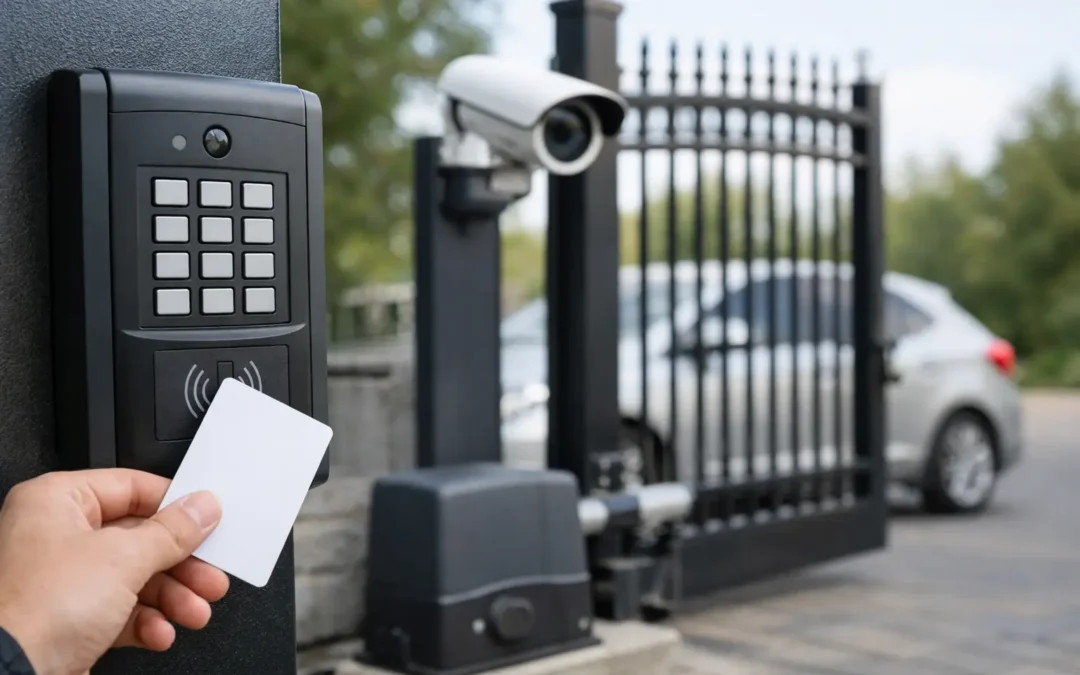
At the simplest level, an access control system decides who gets in and who does not. It gives approved users a way to open the gate while keeping everyone else out unless they are authorized. That can happen through a keypad, card reader, remote transmitter, telephone entry system, intercom, or mobile-based control.
The best setup depends on how the property is used. A private residence with a few daily users may do very well with a keypad and remotes. A multi-tenant commercial site may need a more structured system with user credentials, entry logs, and separate access levels. A contractor yard or industrial property may also need a gate operator that can handle frequent cycles without wearing out under heavy traffic.
This is why choosing a system is rarely about picking the newest feature. It is about matching the equipment to the way the gate will actually be used.
Start with the property, not the gadget
One of the most common mistakes is shopping for gate access based on features alone. A property owner sees a phone app, a keypad, or a fancy entry panel and assumes that is the answer. In reality, the better place to start is the site itself.
Think about traffic first. How many people need regular access? Are they arriving by car, on foot, or both? Is the gate opening a few times a day or dozens of times an hour? A quiet residential driveway has very different demands than an apartment entrance, warehouse yard, or commercial parking area.
Then consider the layout. The distance from the gate to the building matters. So does power availability. Some locations need trenching, wiring, or communication equipment to support the system properly. Terrain can also affect installation, especially where slopes, drainage, or limited clearance are involved.
Weather matters too. In this part of the region, heat, rain, dust, and regular wear can all test outdoor equipment. A system that looks good on paper but is not built for long-term exterior use may create more service calls than value.
Common gate entry options and where each fits
Keypads and coded entry
Keypads are a popular choice because they are straightforward and cost-effective. For homes, small offices, and light commercial properties, they offer easy everyday access without requiring physical keys. Codes can usually be changed when needed, which is helpful if users change over time.
The trade-off is simple. If too many people share the same code, accountability goes down. Keypads work best when the number of users is manageable or when the system supports multiple user codes.
Remote controls and transmitters
Remotes are convenient for regular drivers who want quick access from their vehicle. They are common at residential gates, private roads, and employee entrances. Used correctly, they make entry fast and reduce backups at the gate.
Their limitation is that they can be lost, damaged, or passed around. For that reason, remotes are often best when combined with another method of access or when the user group is stable.
Card readers, fobs, and credential-based systems
For businesses and managed properties, card or fob access offers better control over who can enter. Individual credentials can often be added or removed without changing the whole system. That makes them useful for employee turnover, vendor access, or multiple tenants.
This option usually makes more sense for commercial sites than for a single-family home. It requires a bit more structure, but in the right setting, it gives owners more visibility and control.
Telephone entry and intercom systems
Telephone and intercom systems are a strong fit when visitors need to request access. A guest, delivery driver, or vendor can contact someone inside, and that person can grant entry without walking to the gate. For homes with longer driveways and businesses with controlled visitor traffic, this can be a very practical solution.
The main question here is responsiveness. If nobody is available to answer, visitors may be delayed. This setup works best when someone is consistently available during operating hours or when mobile forwarding is part of the system.
Mobile app and smart access systems
Mobile-based gate access has become more common, especially for owners who want flexible control from wherever they are. It can be useful for second properties, short-term visitor management, and businesses that need to issue temporary access.
Still, smart features should not be the only priority. App-based systems rely on connectivity, user familiarity, and compatible hardware. They can be excellent, but only if the underlying installation is dependable and the system is easy for the customer to manage.
Security and safety should work together
A secure gate should never come at the expense of safe operation. Any automatic gate needs the right safety devices so the system responds properly when a vehicle, person, or object is in its path. That includes sensors, controls, and operator settings that are appropriate for the gate type and site conditions.
This is also why professional installation matters. Access control is not just about the entry device on the post. It involves the gate operator, wiring, communication components, structural alignment, and overall performance of the gate itself. If the gate drags, shifts, or closes improperly, even the best access technology will not perform the way it should.
For commercial properties, reliability has its own security value. A gate that fails open or stays stuck closed can create immediate operational problems. For homeowners, it can quickly turn a convenience feature into a daily frustration.
Residential vs. commercial access control systems for gates
For homeowners
Most residential customers want three things from a gate system: security, ease of use, and a clean appearance. They want family members to come and go easily, visitors to have a simple way to request entry, and the gate to add value to the property rather than make life more complicated.
For many homes, a combination of keypad access, remotes, and optional intercom service is enough. The right answer depends on how many users there are, whether deliveries are frequent, and how much control the owner wants over visitor entry.
For businesses and managed properties
Commercial buyers usually need more structure. They may need to manage employee access, service vendors, scheduled deliveries, and after-hours entry. They also may need systems that can handle higher cycle counts and provide better accountability.
In those settings, credential-based access, telephone entry, and integrated operator systems often make more sense than a basic residential setup. The goal is not just convenience. It is controlled access that supports daily operations without slowing them down.
Why installation quality matters as much as the equipment
A gate system is only as dependable as the installation behind it. Posts must be set correctly. Operators must be matched to the gate size, weight, and cycle demands. Wiring has to be protected and properly routed. Entry devices need to be placed where people can actually use them safely and comfortably.
That is where experience shows up in the finished product. A contractor who understands gates, fencing, traffic patterns, and site conditions can help prevent the common issues that lead to callbacks later. For property owners, that means fewer surprises and a system that feels thought through from day one.
A company like Modern Fence Company sees these projects from the full perimeter perspective, not just as a piece of equipment attached to a gate. That matters because the fence, gate, operator, and access controls all need to work together.
How to make the right decision
If you are comparing options, focus less on what sounds advanced and more on what fits your property for the long term. Ask how many users the system needs to support, how often the gate will cycle, how visitors will request access, and how easy the system will be to manage a year from now.
A good access control setup should feel dependable, not complicated. It should match the traffic, the property type, and the level of security you actually need. When those pieces line up, the result is a gate system that protects the property, supports daily use, and adds real value every time it opens and closes.
The best next step is to look at the gate, the site, and the way people use the property before choosing the technology. That is usually where the smartest decision starts.