A damaged perimeter usually gets attention only after something has already gone wrong – a trespass issue, a security gap, a safety complaint, or equipment exposure that should have been prevented. That is why industrial fencing solutions need to do more than mark a property line. They need to stand up to daily use, fit the site, support operations, and hold their value over time.
For industrial properties, the right fence is rarely a one-size-fits-all decision. A warehouse yard has different demands than a utility site. A manufacturing facility may need controlled entry points, while a contractor may need temporary barriers during an active project. The best result comes from choosing a system that matches the property’s security needs, traffic patterns, maintenance expectations, and budget.
What industrial fencing solutions need to accomplish
Industrial fencing serves a practical job first. It helps protect assets, define restricted areas, reduce liability, and guide vehicle and pedestrian movement. In many cases, it also supports compliance and site safety by keeping unauthorized visitors away from hazardous zones, loading areas, storage yards, and equipment.
That said, security is only part of the picture. A fence also has to function with the way your property operates. If trucks need frequent access, gate placement matters. If visibility is important for monitoring a yard, the fence design should not create blind spots. If appearance matters because customers or tenants see the site every day, material selection matters more than many owners expect.
Good planning usually starts with a few basic questions. What are you trying to protect? Who needs access, and how often? Is the bigger concern theft, trespassing, traffic control, or privacy? Once those answers are clear, the right fencing approach becomes easier to define.
Choosing the right type of industrial fencing solutions
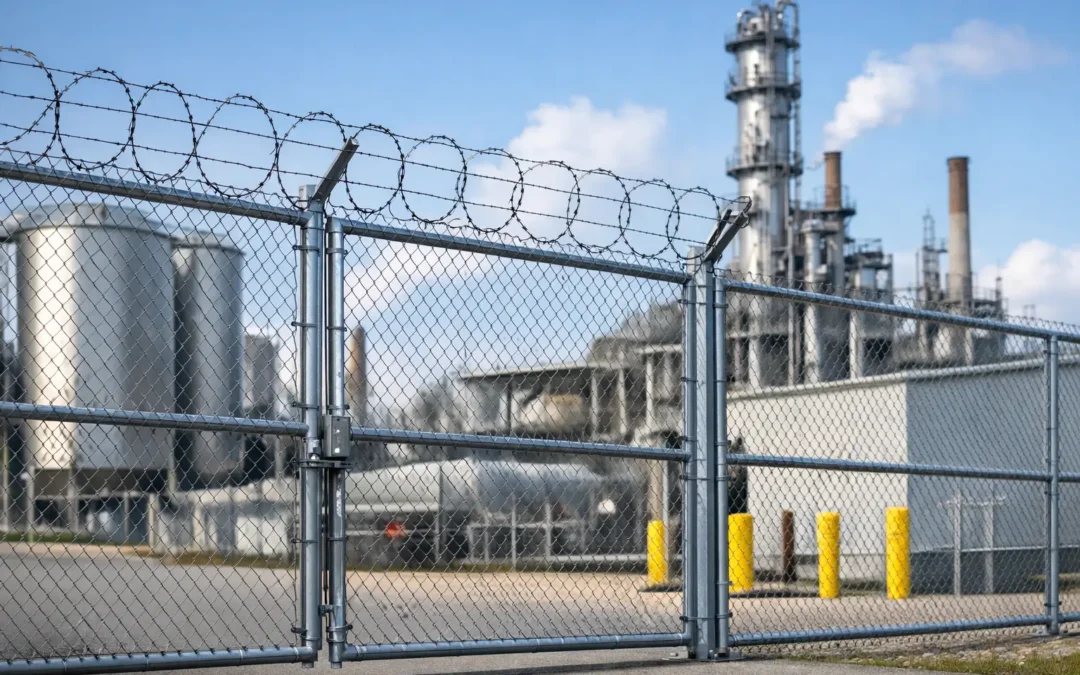
Chain link remains one of the most common choices for industrial sites because it is cost-effective, durable, and adaptable. It works well for warehouses, service yards, storage areas, and many commercial properties that need clear perimeter definition without excessive cost. It can also be upgraded with privacy screening, barbed wire, or access control integration when the site calls for stronger protection.
For facilities that want a more finished appearance without giving up strength, ornamental iron or custom metal fencing may be a better fit. These systems often work well at entry points, office-facing perimeters, or properties where presentation matters alongside security. They generally cost more up front, but they can deliver a stronger visual impression and long-term durability when properly built and installed.
Temporary fencing serves a different purpose but is just as important in the right setting. Construction sites, event spaces, emergency work zones, and short-term industrial operations often need immediate perimeter control without a permanent installation. In those situations, speed, stability, and practical layout matter more than appearance.
No single material is best for every industrial property. Chain link may be the most efficient choice for one site, while a custom fabricated metal system may be the better investment for another. The right answer depends on how the property is used every day and what level of protection is truly needed.
Security level and site exposure
A lightly trafficked yard in a lower-risk area may need only a dependable perimeter fence and a manual gate. A facility storing valuable equipment, fuel, tools, or regulated materials may need a more layered setup with taller fencing, restricted access points, and controlled entry systems. That is where working with an experienced contractor matters. The fence itself is only one part of perimeter security. Gate function, access management, and layout can be just as important.
Visibility versus privacy
Many industrial operators assume more privacy always means better security, but that is not always true. In some settings, visibility helps supervisors and cameras monitor activity more effectively. In others, screening is useful because it limits exposure of inventory, equipment, or sensitive areas. The trade-off depends on the property. A fence should support how the site is monitored, not work against it.
Installation details that affect long-term performance
Industrial fencing takes more abuse than many property owners expect. Wind load, vehicle traffic, repeated gate cycles, ground movement, and daily wear can expose weak installation practices quickly. Materials matter, but installation quality is what often determines whether the fence performs well five years from now.
Post depth, spacing, and anchoring all matter. So does terrain. A site with slopes, drainage concerns, or uneven grade may require adjustments to maintain security and appearance. Utility locations can also change the installation approach, especially on active industrial properties where underground lines, paved areas, or existing structures limit placement options.
Gate systems deserve special attention. A fence can be built well and still underperform if the gate is undersized, poorly aligned, or not suited to traffic volume. Heavy-use commercial gates need to open reliably and close securely. When access control is part of the plan, the gate system should be designed with that equipment in mind from the start rather than treated as an afterthought.
These are the details that separate a fence that simply gets installed from one that works the way it should. Experienced crews know how to plan for site conditions before they become delays or expensive corrections.
Access control and industrial perimeter management
For many properties, fencing and gates now work together as one system. Controlled access can help limit entry to employees, vendors, approved vehicles, and scheduled visitors. That may include keypad entry, automated gates, card access, or other systems that help property owners manage who comes and goes.
This is especially useful for facilities with frequent deliveries, after-hours traffic, or multiple access points. It adds convenience, but more importantly, it creates more control. A perimeter that is easy to breach or difficult to manage can create daily headaches for staff and leave gaps in site security.
The best setup is not always the most complex one. Some sites need full automation, while others simply need a dependable gate layout with clear access points. The practical goal is to reduce risk without making normal operations harder than they need to be.
Maintenance matters more than most owners think
Even durable industrial fences need upkeep. Gates may need adjustment. Hardware wears over time. Coatings can age, and storm damage can create vulnerabilities that are easy to miss until they become bigger problems. A neglected fence rarely fails all at once. More often, it starts with one leaning section, one dragging gate, or one unsecured entry point.
Routine inspection helps extend the life of the system and protect the original investment. It also gives owners a chance to address smaller issues before they interrupt operations or compromise safety. For properties with a lot of traffic or exposure to weather, this is especially important.
Long-term value is not just about initial price. It is about choosing a fence that fits the site, installing it correctly, and keeping it in working order. A cheaper system that needs frequent repair can cost more over time than a better-built solution installed the right way.
Why local experience makes a difference
Industrial properties in Western Arkansas and Eastern Oklahoma can present real installation challenges. Grade changes, weather exposure, mixed-use sites, and active work environments all affect how a fence should be planned and built. Local experience helps because it brings practical knowledge, not just product options.
A contractor who understands the region can better anticipate common site conditions, coordinate around access needs, and recommend materials that make sense for the property. That kind of experience can save time during planning and reduce problems after installation. For businesses that need dependable results with minimal disruption, that matters.
Modern Fence Company has been serving the region since 1950, and that long history shows up in the way projects are approached – with attention to workmanship, realistic recommendations, and solutions built for daily use rather than quick turnover.
If you are weighing industrial fencing solutions for a warehouse, plant, yard, jobsite, or commercial property, the best next step is usually not choosing a material first. It is defining what your site needs to do every day, then building the perimeter around that reality. A well-planned fence should make your property safer, easier to manage, and better prepared for the long run.