
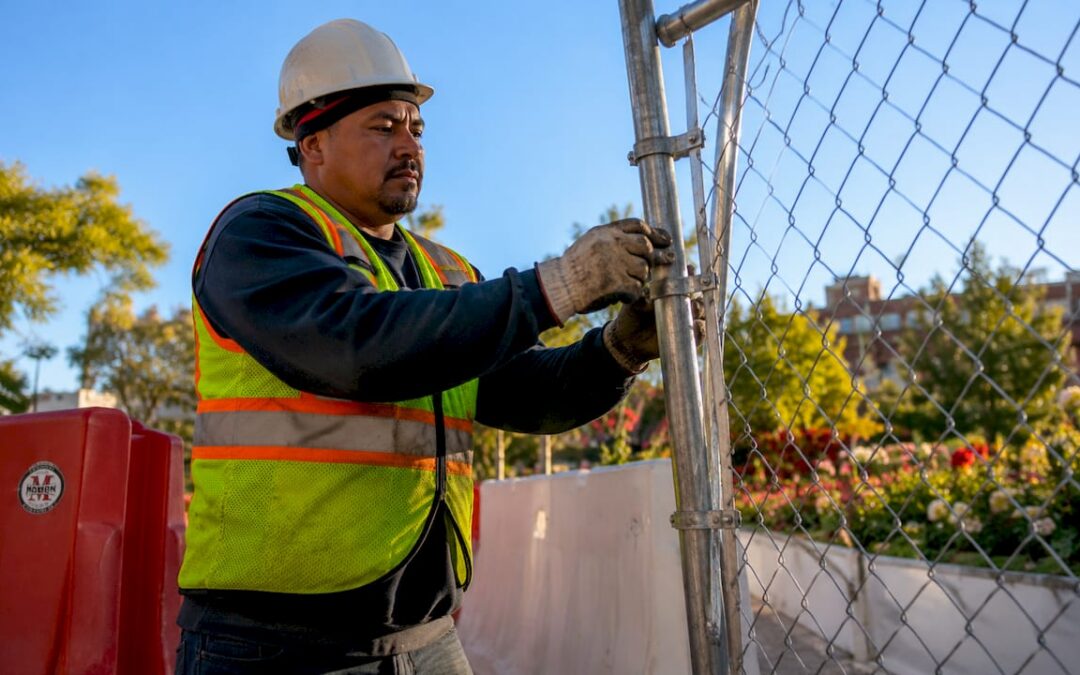
Temporary fence rental is the service of delivering, installing, and removing fence panels to create a secure perimeter quickly for events, construction sites, or property protection. Standard panels are typically 12 feet wide by 6 feet tall and fit portable concrete or weighted bases, which means a crew can configure hundreds of linear feet in a single morning. Rental services cover the full cycle: delivery, setup, reconfiguration if needed, and removal when the project ends. For Oklahoma contractors, event planners, and property owners, this flexibility makes temporary fencing the most practical perimeter solution available without a permanent installation commitment.
What types of temporary fence rental panels are available?
The two core systems in temporary fence rental are free-standing panels and post-driven panels. Free-standing panels with weighted bases are preferred for most construction sites because they require no ground disturbance and move easily as the site evolves. Post-driven fencing is used where maximum wind resistance and long-term stability are required, such as multi-month highway projects or exposed rural sites in Oklahoma.
Beyond the base systems, you can add several configurations to match your specific needs:
- Chain link panels: The standard choice for temporary construction fence rental. Durable, visible, and cost-effective for most site perimeters.
- Privacy screens: Fabric inserts that attach to chain link panels, blocking sightlines to active work zones or event staging areas.
- Anti-climb panels: Panels with smaller mesh openings that reduce footholds, used for higher-security perimeters around equipment yards or utility sites.
- Pedestrian and vehicle gates: Single and double gates that integrate with any panel system, sized for foot traffic or heavy equipment.
- Barricade fence rental: Lightweight plastic or steel crowd-control barriers for event queuing, road closures, and public safety zones.
Site surface is a critical factor in choosing between these systems. Free-standing chain link fence suits asphalt or concrete surfaces, while post-driven fencing requires drilling into dirt, which adds labor cost and restoration work after removal. An Oklahoma contractor pouring a parking lot expansion, for example, would choose free-standing panels to avoid drilling into the new slab.
Pro Tip: If your site has mixed surfaces, such as a gravel staging area connecting to a concrete pad, discuss the transition points with your rental provider before booking. A hybrid setup using free-standing panels on hard surfaces and post-driven stakes on gravel sections can save significant labor cost.
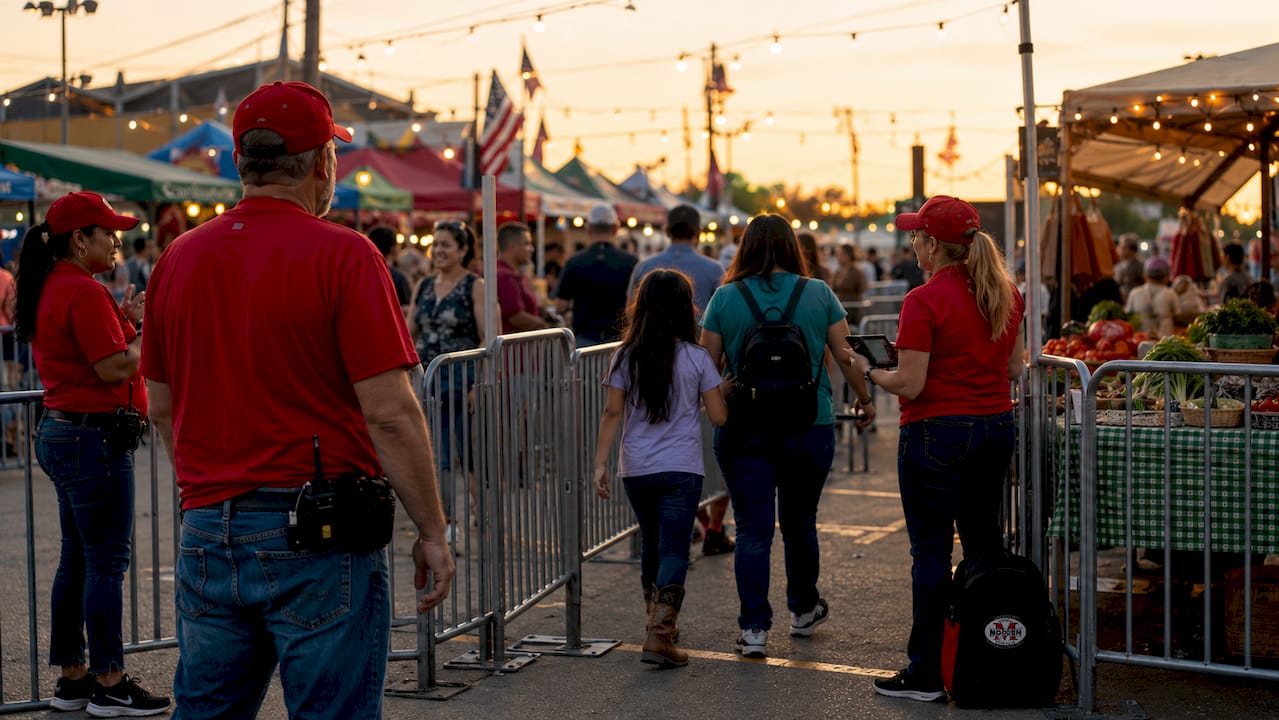
For event planners managing outdoor venues, temporary fencing for events also serves crowd control and entry management functions that go beyond basic site security.
How is pricing calculated for a temporary fence rental?
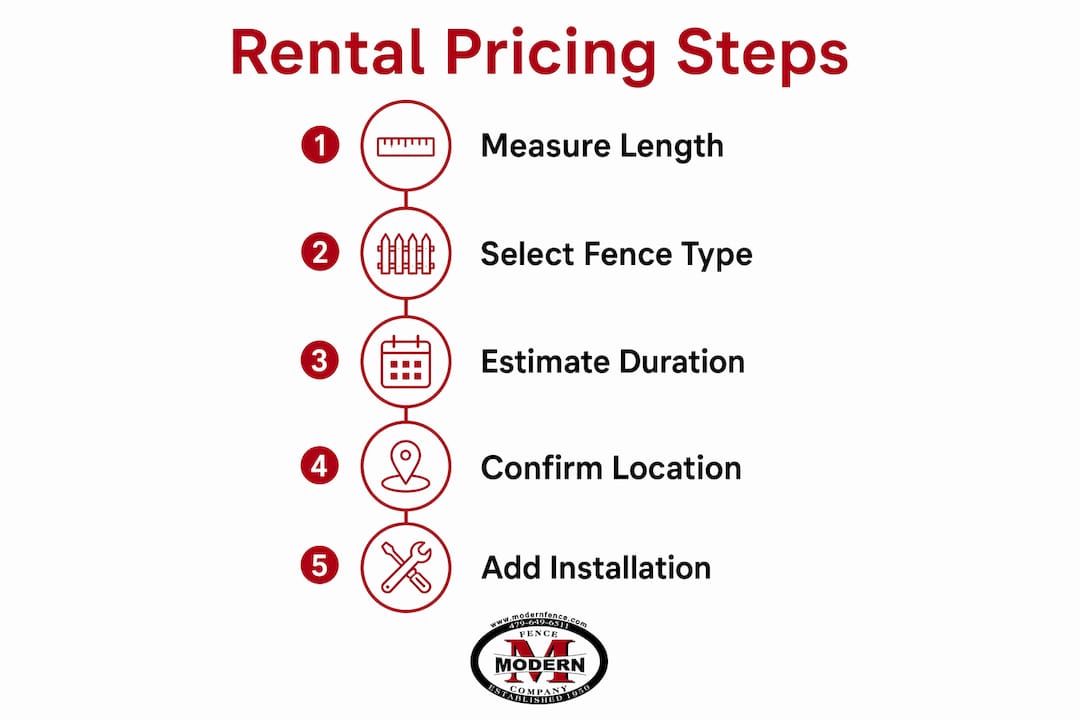
Pricing for a temporary fence rental depends on four main variables: linear footage, fence type, rental duration, and site location. Delivery, installation, and removal fees are usually bundled into a single quote rather than billed separately. That bundled model makes budgeting straightforward, but it also means the quote changes significantly if your footage estimate is off.
The main cost drivers, ranked by impact:
- Linear footage: The total perimeter length is the single largest pricing factor. Measure your site carefully before requesting a quote.
- Fence type: Chain link panels cost less per foot than anti-climb or privacy screen configurations. Barricade fence rental for events typically prices differently than construction-grade panels.
- Rental duration: Rental terms range from a short weekend to multi-month or multi-year contracts. Longer terms reduce the daily rate but increase total spend.
- Site location: Distance from the provider’s yard affects delivery cost. Oklahoma sites in the Fort Smith and Eastern Oklahoma corridor benefit from shorter haul distances with regional providers like Modernfence.
Rental duration flexibility is a real advantage of the modern temporary fence market. You can extend or shorten a contract as your project timeline shifts, which is common on construction projects where weather or permitting delays push completion dates. That said, mobilization fees apply when panels are added after the initial setup. Each additional truck roll costs money, so accurate footage estimation at the start saves you more than any other single planning step.
Pro Tip: Always overestimate your linear footage slightly when requesting a quote. Gate swings, corner overlaps, and last-minute access points add up fast. A small buffer in your initial order avoids a costly second mobilization.
What practical factors should you consider when planning a rental?
Early booking is the most overlooked planning step. Booking early guarantees availability during peak construction seasons, which in Oklahoma runs from spring through early fall. Waiting until the week before a project starts often means limited panel inventory or delayed delivery.
A solid pre-rental checklist covers these areas:
- Surface assessment: Walk the full perimeter and note surface types. Concrete, asphalt, gravel, and bare dirt each affect installation method and cost.
- Gate placement: Identify every vehicle and pedestrian access point before ordering. Moving a gate after installation triggers additional labor charges.
- Municipal compliance: Many urban municipalities require perimeter fencing adjacent to public sidewalks or roadways, with penalties for non-compliance. Check with your local Oklahoma city or county building department before the rental begins.
- Utility clearances: Call 811 before any post-driven installation. Oklahoma law requires utility marking before ground penetration.
- Mid-rental changes: Plan for the possibility that your perimeter will shift. Discuss panel relocation policies and fees with your provider upfront.
Direct vendor communication resolves complex logistics faster than online forms. A phone call can clarify gate placement, surface challenges, and delivery windows in minutes. For multi-phase construction projects or large events, that direct line to your provider is worth more than any automated quoting tool.
For property owners securing a vacant lot or a property undergoing renovation, temporary security fencing also reduces liability exposure during the unoccupied period.
Pool and backyard construction projects carry their own access control requirements. Temporary fencing around pool construction zones protects both workers and the public during the build phase, which is a detail that residential contractors in Oklahoma often underestimate.
What are the safety and liability benefits of proper temporary fencing?
Temporary fencing reduces the Total Recordable Incident Rate (TRIR) by controlling site access and protecting equipment. TRIR is the OSHA metric used to measure worksite injury frequency. Lowering it matters for insurance premiums, contract eligibility, and workforce morale.
“Temporary fencing serves as a critical safety tool that significantly lowers worksite incidents by managing access and securing equipment. A properly fenced perimeter signals to workers, subcontractors, and the public that the site is professionally managed and that safety is non-negotiable.”
OSHA standards require perimeter protection on construction sites where the public could be exposed to hazards. A properly installed temporary chain link fence rental satisfies that requirement on most standard commercial and residential projects. Gaps in fencing, missing gates, or panels that have shifted out of alignment create both physical hazards and compliance violations.
Equipment theft is a serious cost driver on Oklahoma job sites. A secured perimeter with locked gates reduces opportunistic theft of tools, materials, and machinery. The cost of a monthly fence rental is a fraction of the cost of replacing a stolen generator or skid steer.
How do you manage a temporary fence rental from booking to removal?
A well-managed rental follows a clear sequence. Skipping steps in this process is where most cost overruns and delays originate.
- Submit an accurate inquiry. Provide your site address, total linear footage estimate, surface types, required gate count, and start date. The more detail you give, the more accurate your quote will be.
- Review the bundled quote. Confirm that delivery, installation, and removal are included. Ask specifically about mobilization fees for mid-rental additions.
- Confirm delivery and installation timing. Professional services can deliver and install fencing within less than 24 hours to maintain project schedules. Confirm your delivery window in writing.
- Manage mid-project changes proactively. If your perimeter needs to expand or shift, contact your provider as early as possible. Last-minute changes cost more and take longer to schedule.
- Document the rental agreement. Keep a copy of the contract, the agreed footage, gate locations, and the scheduled removal date. This protects you if billing disputes arise.
- Coordinate removal. Notify your provider when the site is ready for pickup. Clear the perimeter of debris or equipment that could block panel removal. A clean handoff avoids additional labor charges.
For contractors managing multiple phases, a temporary construction fence rental guide covers phase-specific configurations and cost-saving approaches in more detail.
Key Takeaways
Temporary fence rental delivers the most value when you plan the perimeter accurately, book early, and communicate directly with your provider from the start.
| Point | Details |
|---|---|
| Book early for peak seasons | Spring through fall demand in Oklahoma fills panel inventory fast; reserve at least two weeks out. |
| Match fence type to surface | Free-standing panels suit hard surfaces; post-driven fencing works on dirt but adds restoration cost. |
| Overestimate linear footage | A small buffer in your initial order prevents costly second mobilizations for gate swings and corners. |
| Verify local compliance first | Oklahoma municipalities may require perimeter fencing near public sidewalks; check before the rental starts. |
| Direct communication saves time | A phone call resolves gate placement and surface challenges faster than any online form. |
What I’ve learned from years of watching fence rentals go wrong
The most common mistake I see is treating temporary fence rental as a last-minute logistics task. Contractors call on a Monday for a Wednesday start, with no surface assessment done and no gate locations decided. That sequence almost always ends with a second truck roll, an extra mobilization fee, and a delayed project start.
The second mistake is ignoring the surface entirely. I’ve watched crews arrive at a site expecting to set free-standing panels on what the customer described as “a flat lot,” only to find half the perimeter is soft fill dirt that won’t hold weighted bases in Oklahoma wind. Post-driven installation on that section adds a day and real money to the job.
My practical advice: walk your full perimeter before you call anyone. Note every surface type, every access point you’ll need, and every section that runs adjacent to a public sidewalk or road. That five-minute walk saves you from the two most expensive surprises in temporary fencing.
Build a relationship with your rental provider, too. Providers who know your work style and typical project scale will flag compliance issues you might miss and suggest configurations that fit your budget. That relationship pays off most when a project timeline shifts and you need a fast extension or a same-week removal.
— mark
Modernfence serves Oklahoma with professional temporary fencing
Modernfence has served Western Arkansas and Eastern Oklahoma for more than 70 years, and temporary fencing is a core part of that service portfolio.
Whether you need a temporary chain link fence rental for a multi-month construction project, barricade fencing for an outdoor event, or a short-term security perimeter for a vacant property, Modernfence handles delivery, installation, and removal with one point of contact. The team advises on fence type selection based on your specific site conditions, so you get the right configuration from the start. Read the fence installation guide for a detailed look at installation standards and what to expect from a professional setup. Call Modernfence directly for a free estimate tailored to your Oklahoma project.
FAQ
What is temporary fence rental?
Temporary fence rental is a service where a provider delivers, installs, and later removes fence panels to create a secure perimeter for a set period. Standard panels are typically 12 feet wide by 6 feet tall and use weighted bases or post-driven stakes depending on the site surface.
How much does temporary fence rental cost?
Pricing depends on linear footage, fence type, rental duration, and site location, with delivery, installation, and removal usually bundled into one quote. Mobilization fees apply if panels are added after the initial setup, so accurate footage estimates at the start reduce total cost.
How quickly can temporary fencing be installed?
Professional temporary fence rental services can deliver and install fencing in less than 24 hours to keep project schedules on track. Booking in advance guarantees availability, especially during peak construction seasons in Oklahoma.
Do I need a permit for temporary construction fencing in Oklahoma?
Many municipalities require perimeter fencing on sites adjacent to public sidewalks or roadways, and penalties apply for non-compliance. Check with your local Oklahoma city or county building department before your rental begins.
What is the difference between free-standing and post-driven temporary fencing?
Free-standing panels use weighted bases and suit hard surfaces like asphalt or concrete without ground disturbance. Post-driven fencing is drilled into dirt and provides greater wind resistance for longer-duration or high-exposure sites.