
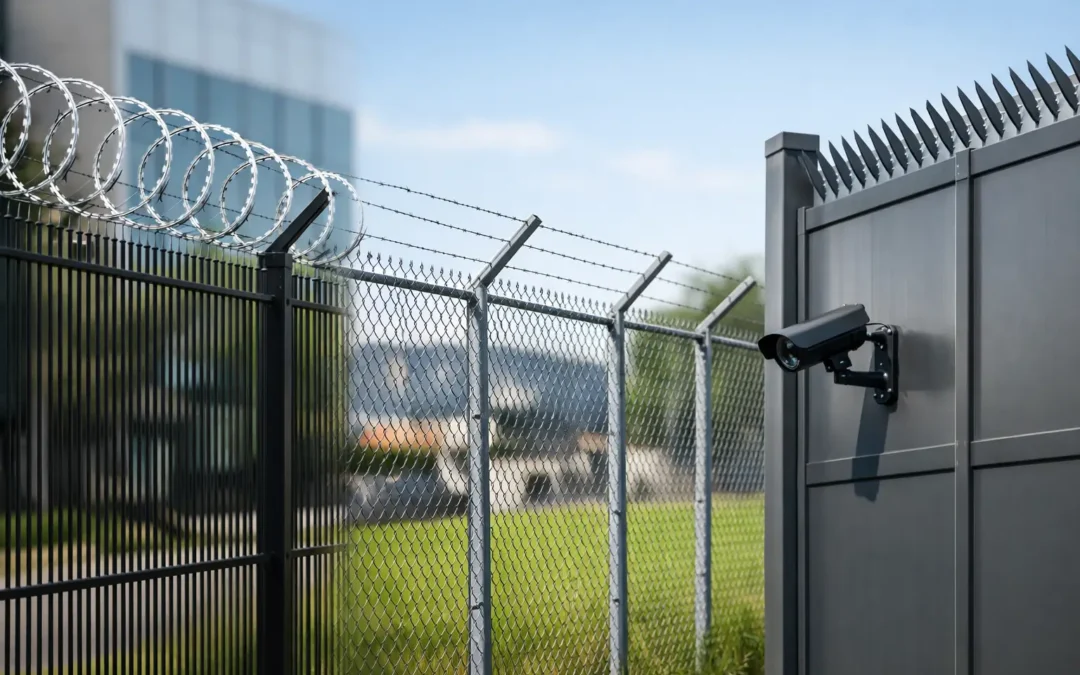
A fence that looks good from the street can still leave weak points where it matters most. Gaps under panels, easy-to-climb rails, poor gate placement, or the wrong material for the site can all turn a decent-looking perimeter into a security headache. When property owners start comparing property security fence options, the real question is not just which fence looks best. It is which fence does the job you need, on the terrain you have, with the level of privacy, durability, and access control your property requires.
How to evaluate property security fence options
The best fence for security starts with a clear goal. A family in a residential neighborhood may want privacy and child safety first, with security as a close second. A business owner may need controlled entry, visibility around the perimeter, and a fence that discourages trespassing after hours. A contractor may need temporary site protection now and a permanent solution later.
That is why the strongest fence choice is rarely about material alone. Height matters. So does how the gate is built, how the posts are set, whether the fence can be climbed, and how much visibility you want through it. Some owners prefer a fence that blocks sightlines completely. Others want employees, cameras, or neighbors to be able to see activity on both sides.
Budget also matters, but it should be weighed against service life and maintenance. A lower upfront price can cost more over time if repairs, warping, corrosion, or staining become a regular issue. Security is a long-term investment, and fence performance over the years matters just as much as the installation day.
Chain link fencing for practical security
Chain link is one of the most common property security fence options because it is cost-effective, durable, and adaptable. For commercial sites, storage yards, schools, utility areas, and industrial properties, chain link often makes the most practical sense. It creates a defined perimeter, stands up well to weather, and allows clear visibility through the fence line.
That visibility is a strength when surveillance is part of the plan. Security cameras, lighting, and regular site checks work better when the fence does not create blind spots. Chain link can also be installed at different heights and paired with gates, barbed wire where appropriate, or access control depending on the property type and local requirements.
For residential settings, chain link is usually chosen more for function than privacy. It works well for backyards, pet containment, and side boundaries, but it does not create a secluded feel on its own. Privacy slats can help, although they change the look and may not deliver the same finished appearance as wood or vinyl. If your goal is straightforward boundary security at a sensible price, chain link remains a strong option.
Wood fencing for privacy and residential protection
Wood remains a popular choice for homeowners who want security without giving up curb appeal. A solid wood privacy fence can limit visibility into the yard, reduce casual trespassing, and create a more enclosed, secure feeling around the home. For many families, that privacy is part of what makes the property feel protected.
The trade-off is maintenance. Wood can be a dependable security fence, but only if it is built well and cared for properly. Posts, fasteners, and material quality all matter. Over time, exposure to moisture and sun can affect boards, pickets, and structural strength if the fence is not maintained.
That does not make wood a poor choice. It simply means homeowners should go in with realistic expectations. With quality installation and proper upkeep, wood fencing offers a strong balance of privacy, appearance, and security. It is especially useful where blocking sightlines is part of the goal, such as backyards, pool areas, or homes on busier streets.
Iron fencing when strength and appearance both matter
Iron fencing is often chosen when property owners want a higher-end look without sacrificing perimeter protection. It creates a strong physical and visual boundary, and it is difficult to ignore from a security standpoint. For homes, gated entrances, commercial properties, and facilities where appearance matters to visitors or tenants, iron can make a strong statement.
Unlike solid privacy fencing, iron allows visibility through the fence. That can be a plus. It helps with surveillance, preserves sightlines, and gives a property a more open appearance while still creating a clearly protected perimeter. It is also harder to breach than lighter residential fence styles.
The main consideration is that iron does not provide privacy. If concealment is part of your security strategy, iron may need to be paired with landscaping, walls, or a different fence style in select areas. Cost is another factor. Iron is an investment, but for many owners the combination of durability, appearance, and long-term value makes that investment worthwhile.
Vinyl fencing for low-maintenance security
Vinyl fencing appeals to property owners who want a clean, finished look with less ongoing maintenance than wood. It does not need staining or painting, and it can provide a strong privacy barrier in residential settings. For homeowners focused on appearance and convenience, vinyl often checks the right boxes.
From a security standpoint, the answer depends on fence style and build quality. A tall, well-installed vinyl privacy fence can help secure a backyard and restrict visibility. At the same time, not every vinyl product is designed for heavy-impact environments or high-risk commercial use. In areas where strength under stress is the top concern, chain link or iron may be the better fit.
Vinyl is often best for homes, multifamily properties, and select light-commercial applications where a polished look and low maintenance are priorities. It is less about aggressive security and more about controlled access, boundary definition, and privacy with fewer upkeep demands.
Gates and access control matter as much as the fence
A secure perimeter can still fail at the gate. In many cases, the gate is the most used and most vulnerable part of the system. Poor alignment, weak hardware, and undersized posts can lead to sagging, gaps, or easy forced entry. That is why gate design should never be treated as an afterthought.
For homes, that may mean a lockable walk gate or driveway gate placed to reduce easy access to the backyard. For businesses, it often means controlled entry points, automated gates, keypad systems, card readers, or other access control features that help manage who comes and goes.
This is where a full-property approach matters. The fence, gate, traffic flow, and daily use pattern should work together. A warehouse yard, apartment complex, school, or medical office will have very different needs than a single-family home. The right setup is the one that fits how the property actually operates, not just how the fence looks on paper.
Temporary and specialty security fencing
Not every security need is permanent. Construction sites, events, emergency situations, and short-term projects often need protection fast. Temporary fencing can help control access, protect equipment, and create safer boundaries while a site is active.
This is especially useful for contractors and commercial operators who need practical security without committing to a permanent installation before the project is complete. Temporary solutions can also buy time while a long-term fence plan is being finalized.
Specialty fabrication may also be the right answer when standard fence panels are not enough. Sloped terrain, unusual openings, equipment enclosures, and custom gate needs can require a more tailored approach. Properties with unique layouts often benefit from working with an experienced contractor who can solve those details before they become delays or weak points.
Choosing the right fence for your property
The best property security fence options depend on what you are protecting and how the property functions day to day. If visibility, value, and broad perimeter coverage matter most, chain link is hard to beat. If privacy is the priority, wood and vinyl are often stronger residential choices. If strength and appearance both matter, iron deserves a serious look.
The smarter decision usually comes from balancing several priorities at once. Security, privacy, maintenance, appearance, terrain, gate use, and budget all shape the right answer. A fence should not just mark the edge of a property. It should solve a real problem and keep doing that for years.
For property owners in Fort Smith and the surrounding region, working with an established contractor can make that decision easier, especially when site conditions, access control, or custom fabrication are part of the job. A good fence starts with the right material, but a secure fence starts with a plan that fits the property.
If you are weighing options, start by thinking about the weak points first. The best fence choice is the one that closes those gaps and still makes sense for the way you live or work.