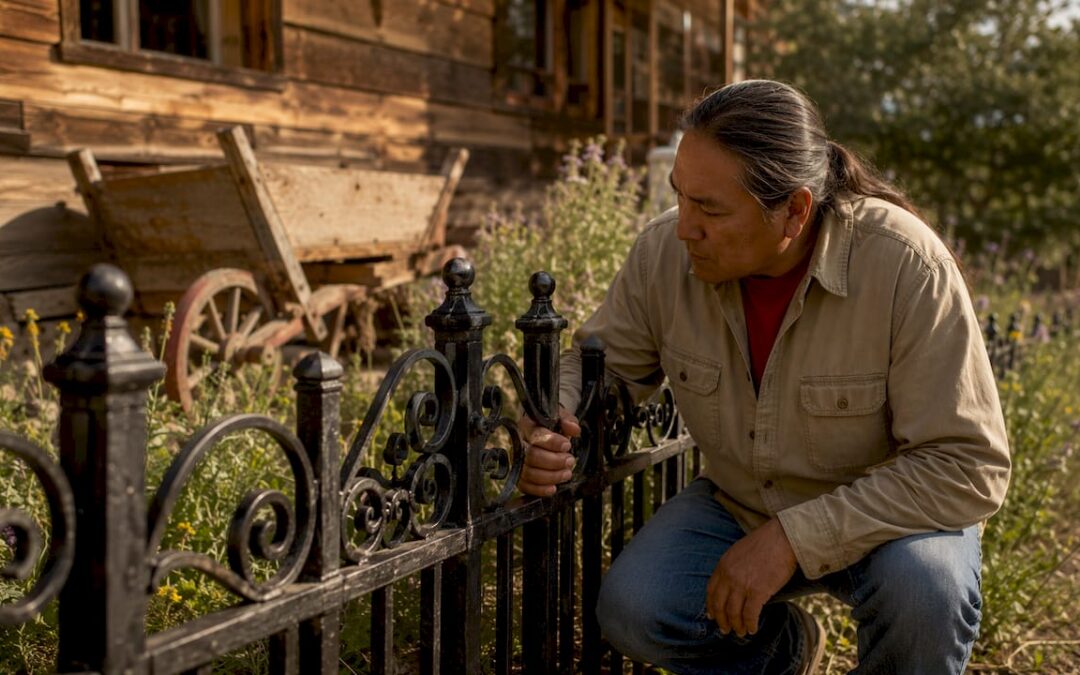
A blacksmith fence is a custom-crafted ornamental iron fence built using traditional metalworking techniques combined with modern fabrication methods. For Oklahoma property owners, this type of fencing delivers something prefabricated panels simply cannot: a fence designed specifically for your property, your soil, and your climate. Oklahoma’s heat, humidity, and seasonal storms demand materials that hold up over decades, and properly finished ornamental iron does exactly that.
Here is why Oklahoma homeowners choose custom ornamental iron fencing:
- Durability:
plus TGIC polyester powder coating resists rust and fading through Oklahoma’s weather extremes
- Custom fit: Fabricated sections conform to sloped or irregular terrain, eliminating gaps that prefab panels leave behind
- Security: Tall pickets, welded construction, and optional automated gates provide real perimeter protection
- Long lifespan: Quality ornamental iron fences can last decades with routine maintenance
Table of Contents
- What makes a blacksmith fence worth the investment?
- How the design and fabrication process works
- Installation and maintenance: what to expect in Oklahoma
- Oklahoma fence laws, permits, and neighbor considerations
- Modernfence brings custom iron fencing expertise to Eastern Oklahoma
- Key Takeaways
What makes a blacksmith fence worth the investment?
Custom ornamental iron fencing outperforms wood, vinyl, and chain link on several fronts that matter most to Oklahoma property owners.
Durability and finish quality are where the difference shows up first. Modern ornamental fences labeled “wrought iron” are typically premium steel treated with hot-dip galvanization and TGIC polyester powder coating. This multi-stage process outperforms standard spray paint by a wide margin, resisting both rust and UV fading. Wood rots, vinyl cracks in temperature swings, and chain link corrodes. A well-finished iron fence simply does not have those failure points.
Security and property value go hand in hand with ornamental iron. The open design maintains sightlines while tall pickets and solid welded construction deter unauthorized entry. Integrated automated gate systems add another layer of access control without sacrificing the fence’s visual appeal.
Key advantages at a glance:
- Corrosion resistance through galvanization and powder coating
- Welded finials and picket intersections for structural integrity
- Customizable picket spacing, heights, and ornamental elements
- Low maintenance compared to wood or chain link
- Adds measurable curb appeal and resale value
Pro Tip: In Oklahoma’s climate, always specify hot-dip galvanized steel over standard primed steel. The galvanization penetrates the metal rather than just coating the surface, giving you rust protection that lasts even if the powder coat gets scratched.
How the design and fabrication process works
Custom fabrication starts with a conversation, not a catalog. The process moves through several defined stages, each one building toward a fence that fits your property precisely.
Consultation and design come first. A skilled fabricator will assess your site, discuss your goals, and develop CAD drawings that show exactly how the fence will look before a single piece of metal is cut. Early client involvement in this stage is the single biggest factor in final satisfaction. Bring photos of styles you like, note any grade changes in your yard, and flag any architectural details you want the fence to complement.
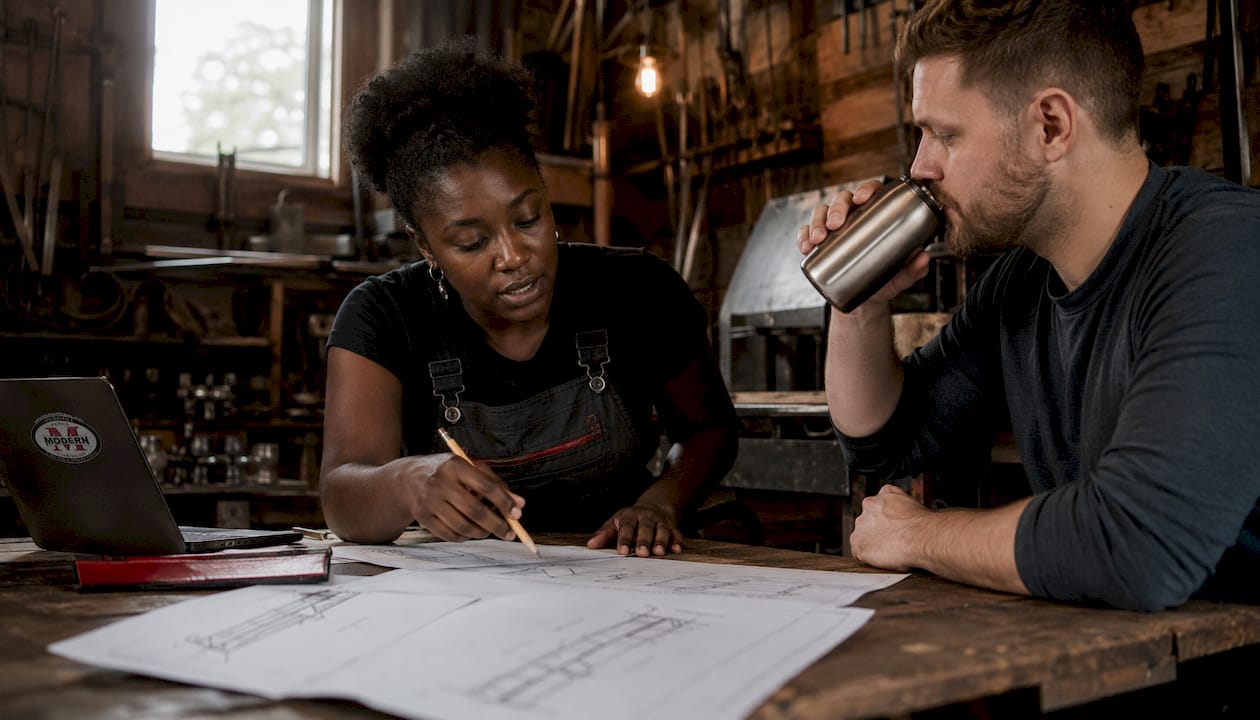
Metal selection and fabrication follow design approval. Quality shops use steel with welded construction throughout, including cast-iron or steel finials welded directly to each picket rather than pressed or glued on. Pressed-on plastic or thin aluminum finials degrade quickly and undermine the fence’s appearance within a few years. Fully welded construction is the quality marker to insist on.
Finishing and customization complete the process. Sections are galvanized, pre-treated, and powder coated before delivery. Gates, automated openers, and decorative elements like scrollwork or panel inserts are integrated at this stage. For sloped lots, rackable or stepped panels are fabricated to follow the grade without leaving ground-level gaps.
| Fabrication Stage | Typical Timeline | Notes |
|---|---|---|
| Site visit and consultation | 1 week | Includes measurements and design brief |
| CAD design and approval | 1–2 weeks | Client reviews and approves drawings |
| Material ordering | 1 week | Steel, hardware, gate components |
| Custom fabrication | 2–4 weeks | Forging, welding, finishing |
| Installation | 1–4 days | Varies by linear footage and terrain |
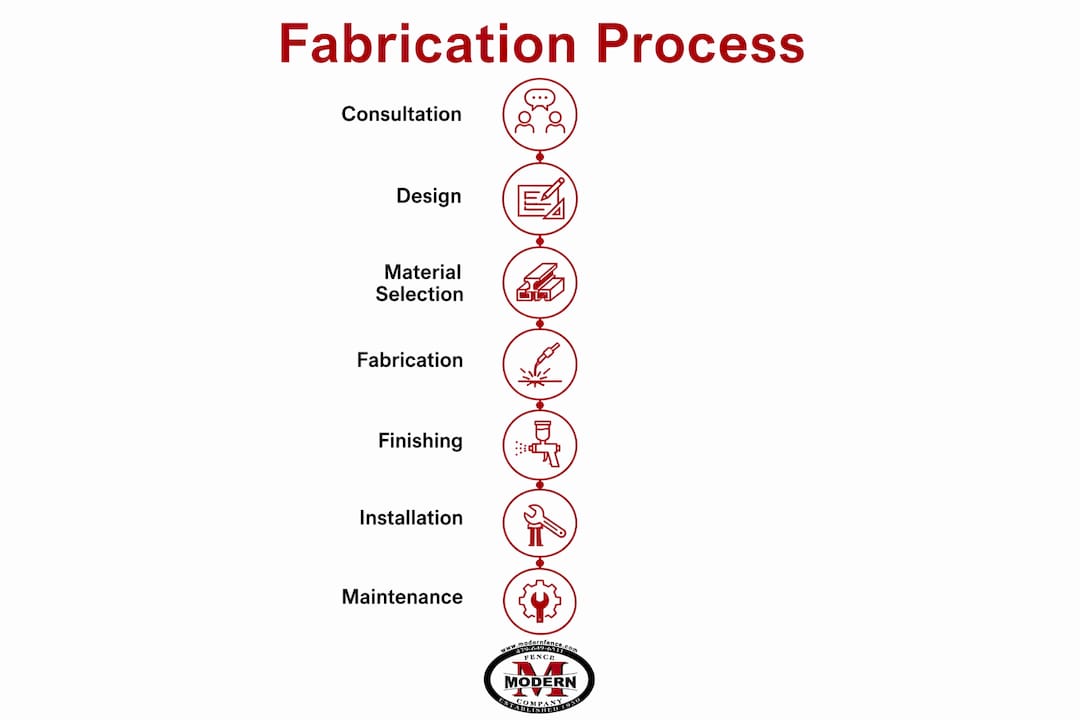
For custom metal fabrication projects, total timelines from first call to completed installation typically run several weeks depending on design complexity and site conditions.
Installation and maintenance: what to expect in Oklahoma
Professional installation of ornamental iron fencing in Oklahoma follows a clear sequence. Understanding each step helps you plan realistically and avoid surprises.
Installation steps:
- Obtain required permits before any work begins (see the Oklahoma laws section below)
- Mark property lines using a professional survey to prevent encroachment disputes
- Set posts in concrete, accounting for Oklahoma’s clay-heavy soils that shift with moisture
- Attach fabricated panels and gates, checking level and alignment throughout
- Apply touch-up coating to any areas disturbed during installation
- Request a final inspection if your municipality requires one
Fence installation done right accounts for local soil conditions from the start. Oklahoma’s expansive clay soils can push posts over time if footings are undersized, so deeper concrete footings are standard practice for iron fencing here.
Maintenance schedule:
- Annual: Inspect the full fence line for chips, scratches, or rust spots; touch up with matching powder coat paint
- Every 2–3 years: Wash the fence with mild soap and water to remove dirt and oxidation buildup
- As needed: Lubricate gate hinges and latch hardware; check automated gate components
A properly finished ornamental iron fence can last 30 or more years with this level of care. Many quality manufacturers back their products with long-term warranties, which reflects the genuine longevity of galvanized and powder-coated construction. DIY touch-up painting is manageable for small chips, but professional recoating is worth considering for larger sections to maintain the original finish quality.
Oklahoma fence laws, permits, and neighbor considerations
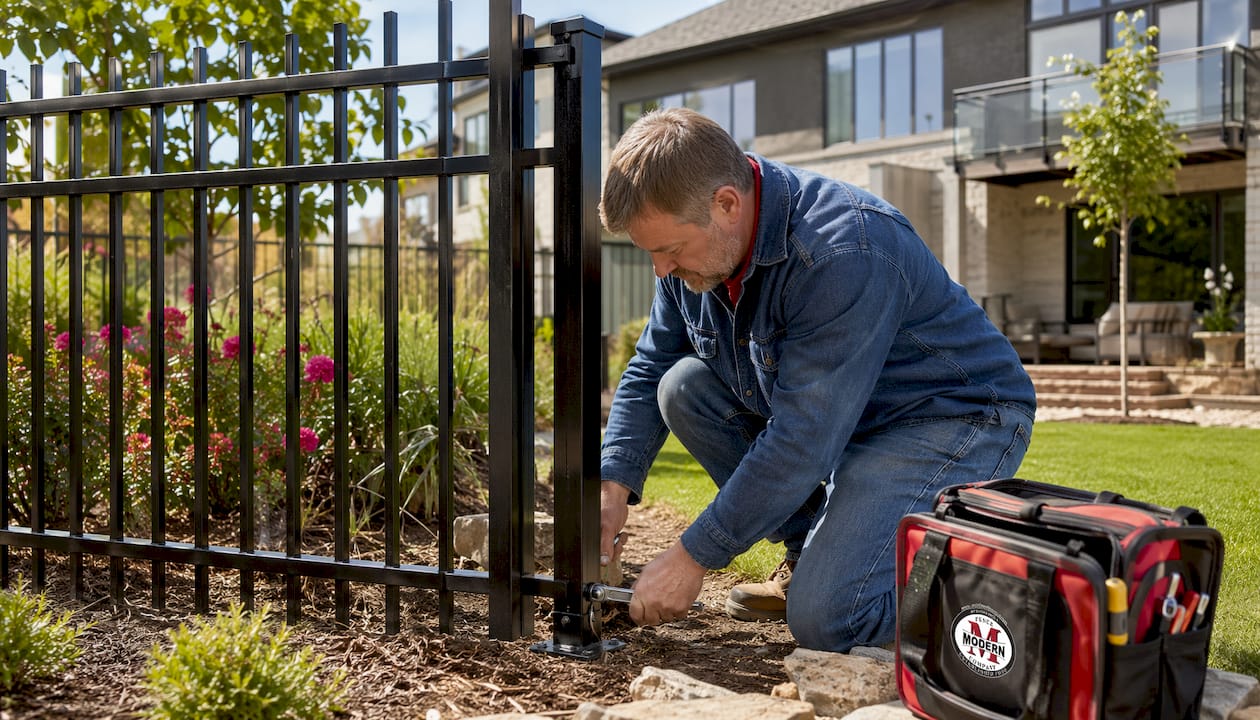
Getting the legal side right before you build protects you from costly disputes and forced removal. Oklahoma has specific statutes and local permit requirements that every property owner should understand.
Permit requirements by city:
- Oklahoma City requires a nominal fee for a fence permit to construct, alter, or repair any fence; the permit must be obtained before work begins
- Tulsa requires zoning clearance and additional permits for fences over 7 feet
- Front-yard fences in most Oklahoma municipalities are limited to 4 feet in height; rear and side yards typically allow 6–8 feet
State law on shared fences:
Under 60 O.S. § 70, adjoining property owners share responsibility for maintaining partition fences. Disputes that cannot be resolved between neighbors may be settled by court-appointed fence viewers under Oklahoma statutes. There is no statewide law that mandates splitting fence costs equally, so written neighbor agreements are advisable before construction begins on a shared boundary.
Common legal pitfalls to avoid:
- Building without a permit, which can result in required removal at your expense
- Placing the fence on your neighbor’s property without a survey, creating encroachment liability
- Damaging an existing fence without cause, which carries misdemeanor or felony penalties under Oklahoma law
- Assuming HOA rules align with city codes — always check both
For a full overview of permit and contractor requirements, the residential fence contractor checklist covers what Oklahoma homeowners need to confirm before signing any contract.
Modernfence brings custom iron fencing expertise to Eastern Oklahoma
Modernfence has served Western Arkansas and Eastern Oklahoma for several decades as a licensed and insured fencing contractor. For property owners in Oklahoma looking for custom ornamental iron fencing, that depth of regional experience matters. Modernfence handles the full scope of an iron fence project: consultation, custom metal fabrication, professional installation, and ongoing maintenance. You work with one team from the first estimate through the final inspection, which keeps the process straightforward and the results consistent.
The company’s iron fence installation services are built around durability and craftsmanship, with every project tailored to the property’s terrain, architecture, and the owner’s goals. Free estimates are available, and the team is ready to walk you through design options, permit requirements, and realistic timelines. Contact Modernfence today to get your free estimate and start planning a fence built to last.
Key Takeaways
A blacksmith fence built with hot-dip galvanized steel and TGIC powder coating is the most durable, customizable ornamental fencing option for Oklahoma property owners, with a long lifespan when properly maintained.
| Point | Details |
|---|---|
| Finish quality determines longevity | Hot-dip galvanization plus TGIC powder coating resists rust and UV fading through Oklahoma’s climate extremes. |
| Custom fabrication fits any terrain | Rackable and stepped panels conform to sloped lots, eliminating ground-level gaps that prefab panels cannot avoid. |
| Permits are required before you build | Oklahoma City charges $22 for a fence permit; front-yard height limits are typically 4 feet, but local regulations apply and may vary by city. |
| Shared fence responsibility is state law | Under 60 O.S. § 70, adjoining owners share partition fence maintenance; written neighbor agreements prevent disputes. |
| Modernfence serves Eastern Oklahoma | Over 70 years of licensed, insured service covering custom iron fabrication, installation, and maintenance across the region. |
Recommended
- Fencing Contractors Near Me: Oklahoma Homeowner’s Guide | Modern Fence Company
- Fence Security Systems: What Oklahoma Property Owners Need | Modern Fence Company
- Fencing Fort Smith: What Property Owners Need | Modern Fence Company
- Temporary Fence Rental: Oklahoma Guide for 2026 | Modern Fence Company