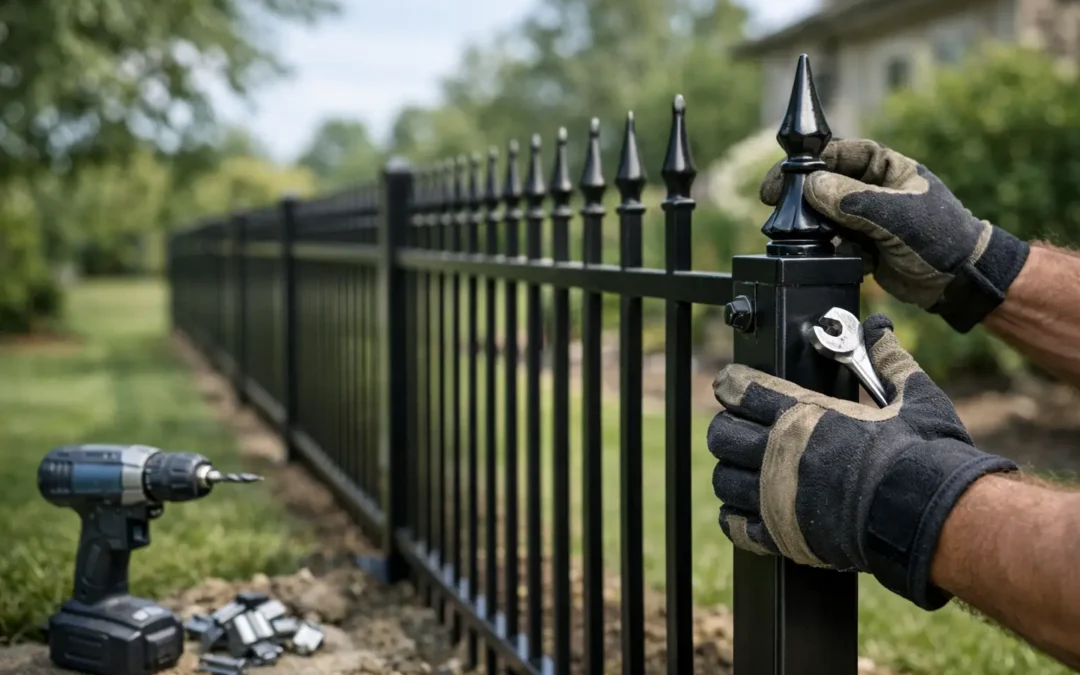
A well-built iron fence changes the look of a property fast. It adds definition without closing everything in, improves security without feeling heavy, and gives homes and businesses a finished, permanent look. That is why iron fence installation remains one of the strongest choices for owners who want both appearance and performance.
Not every iron fence project is the same, though. A front-yard decorative fence has different priorities than a commercial perimeter. Soil conditions, slope, gate placement, and daily use all affect how the finished fence performs over time. The quality of the installation matters just as much as the material itself.
Why iron fence installation is a smart long-term choice
Iron fencing has a reputation for strength for good reason. When installed correctly, it holds up well against weather, impact, and daily wear. It also gives clear visibility, which makes it a practical option for front yards, pool areas, business properties, and entry points where security and appearance both matter.
For homeowners, the appeal is often visual as much as functional. Iron fencing adds structure to landscaping and complements a wide range of home styles, from traditional brick houses to newer builds. It creates a clean boundary without blocking views, which is especially useful when you want security but do not want the property to feel closed off.
For commercial properties, the value is often in control and durability. An iron fence can define access points, protect equipment areas, and support gate systems for better perimeter management. It also presents a more polished appearance than many basic security options, which matters for offices, multifamily properties, churches, schools, and retail sites.
The trade-off is that iron fencing is not usually the lowest-cost option up front. If price is the only factor, chain link may come in lower. But for many property owners, the longer service life, stronger appearance, and lower replacement risk make iron a better value over time.
What affects the success of an iron fence installation
A fence can look great on day one and still fail early if the layout and installation are rushed. Posts need to be set at the proper depth. Panels need consistent spacing. Gates need accurate alignment so they open and close smoothly from the start. Small mistakes during installation tend to show up later as sagging gates, uneven sections, or movement in the line.
Site conditions are one of the biggest variables. In parts of Western Arkansas and Eastern Oklahoma, soil can shift, drainage can vary, and some properties include slopes that need careful planning. A level lot is straightforward. A property with grade changes takes more attention to panel stepping, post placement, and the way the fence follows the terrain.
Utilities matter too. Before digging begins, underground lines need to be identified so the layout can be adjusted safely. This is one of those parts of the job that property owners may not think about until it becomes a problem. A professional installation process accounts for it early.
Then there is gate use. A walk gate at a residence and a wider entry gate at a commercial site put very different demands on the system. If the gate location, frame, and hardware are not matched to the actual use of the property, that is often where performance issues begin.
Choosing the right style for the property
Iron fencing is not one-size-fits-all. The best design depends on what the fence needs to do day to day.
A decorative residential fence may focus on curb appeal, front-yard definition, and a welcoming look. In that case, details like picket spacing, top finials, and gate style carry more weight. A backyard or pool-area fence may need a balance of security and code compliance, with spacing and height chosen accordingly.
Commercial and multifamily properties usually place more emphasis on perimeter security, controlled access, and durability under heavier use. Taller fence heights, stronger gate frames, and simpler panel designs may make more sense there. Cleaner designs are often preferred because they are easier to maintain and fit a wider range of property types.
There is also the question of openness versus privacy. Iron fencing is excellent for visibility, which is a benefit in many settings. It helps maintain sightlines and can make a property feel more secure because visibility is not blocked. If full privacy is the main goal, another material may be a better fit. This is where an honest estimate matters. The right contractor should help you choose the fence that fits the property, not just sell the same option every time.
The installation process, from layout to final walkthrough
Most iron fence installation projects start with a site visit and measurement. That early stage is where the real planning happens. The layout is reviewed, property lines are considered, elevation changes are noted, and gate locations are discussed based on how people or vehicles actually move through the space.
Once the layout is set, the crew prepares the site and marks post locations. Post setting is one of the most important parts of the job because the entire fence line depends on those foundations being accurate and stable. If the posts are off, everything else follows them off.
After posts are in place, panels are installed and aligned. Consistency matters here. Even spacing, clean transitions, and a fence line that looks intentional from every angle are signs of quality workmanship. On a sloped property, that may involve stepped sections or adjustments that keep the fence secure while maintaining a clean appearance.
Gates are then fitted and tested. This stage should never feel like an afterthought. Gates are the most used part of many fence systems, so smooth operation, latch function, and long-term alignment matter. If the project includes access control, that equipment must be coordinated with the fence and gate system rather than treated as a separate item.
The final walkthrough is where the finished work should be checked for alignment, hardware, finish quality, and overall operation. A good installation does not just meet the plan on paper. It should feel solid, look balanced, and function the way the property owner expected.
Cost, maintenance, and long-term value
Price is one of the first questions people ask, and the honest answer is that it depends on the layout, height, number of gates, terrain, and design details. Straight runs on open ground are typically simpler than projects with slopes, corners, custom fabrication, or access challenges. Commercial work may also involve larger gate systems or additional security features that affect cost.
What makes iron fencing attractive is the long view. A properly installed iron fence is built for years of service. It resists many of the issues that shorten the lifespan of lower-cost materials, and it continues to add visual value to the property long after installation day.
Maintenance is usually manageable, especially when the fence has a quality protective finish. Regular inspections, occasional cleaning, and prompt attention to any chips or signs of wear help preserve the appearance and performance of the fence. In most cases, that routine care is straightforward and well worth it.
This is also where craftsmanship matters. A fence that is built and installed with care tends to need fewer corrections later. That means fewer service issues, better gate performance, and a cleaner appearance over time.
Why experience matters more than most people expect
Iron fencing can look simple from a distance, but installation is not a basic plug-and-play job. Good results depend on layout accuracy, post depth, terrain judgment, hardware selection, and the ability to solve site-specific issues without cutting corners.
That is why property owners often benefit from working with an established local contractor rather than treating the project like a commodity purchase. A team with regional experience understands soil conditions, weather patterns, permitting concerns, and the practical details that affect long-term performance. They can also spot problems before they become delays.
For homeowners, that means less guesswork and a fence that improves the property the way it should. For business owners and property managers, it means a smoother project, better coordination, and a perimeter solution that supports security and daily operations. Modern Fence Company has served this region since 1950, and that kind of longevity only comes from doing the work right and standing behind it.
If you are considering iron fencing, the best next step is not to chase the fastest quote. It is to look at how the fence will function on your property, how it will hold up over time, and whether the installer has the experience to get the details right from the start.