
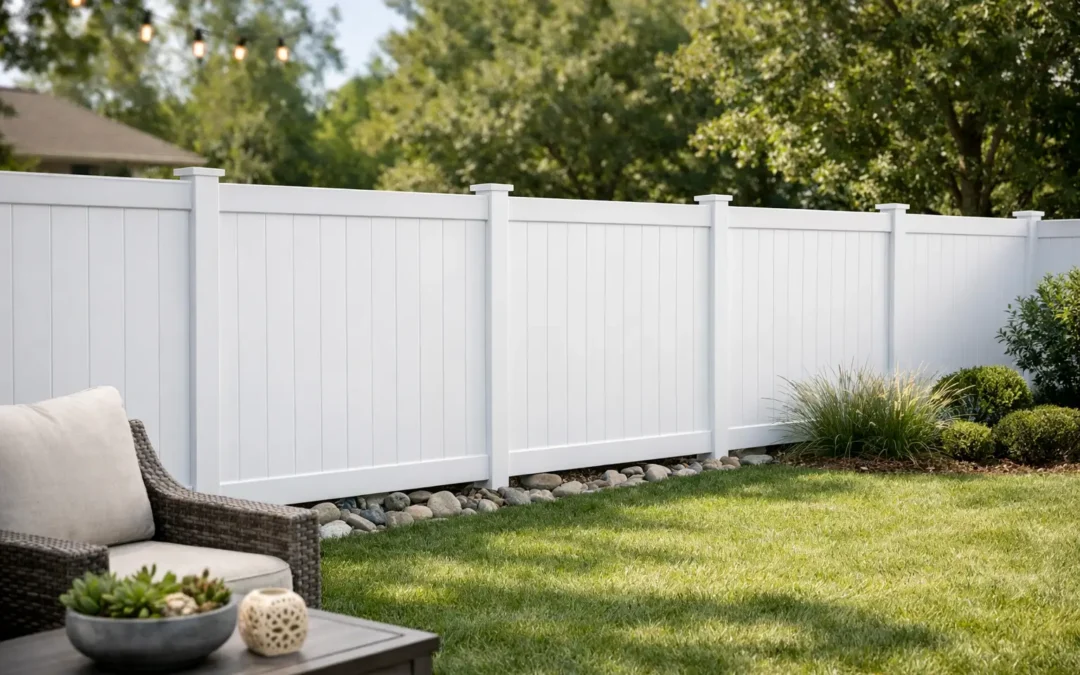
A vinyl privacy fence can give a backyard a clean, finished look without adding another weekend chore to the calendar. But a useful vinyl privacy fence review has to look beyond the bright-white panels in a showroom. The material, installation method, yard conditions, and quality of the gate hardware all affect how the fence performs years from now.
For homeowners who want privacy with less maintenance than wood, vinyl is often a strong choice. It is not the right answer for every property, though. Understanding where it excels – and where another fence material may make more sense – helps you invest with confidence.
Vinyl Privacy Fence Review: The Real Benefits
Vinyl privacy fencing is made from PVC and designed to create a solid visual barrier between properties. Most systems use interlocking rails and tongue-and-groove pickets or panels, producing a polished appearance with no gaps between boards. The result is dependable privacy for patios, pools, play areas, and backyards that sit close to neighboring homes.
The biggest benefit is low upkeep. Vinyl does not need routine staining, painting, or sealing. It will not rot, splinter, or attract termites the way a wood fence can. For busy families, rental property owners, and homeowners planning to stay in their homes for years, that reduced maintenance can be a meaningful advantage.
A quality vinyl fence also maintains a consistent appearance. The color runs through the material rather than sitting on the surface as paint does. White remains the most common option, while tan, gray, and wood-tone styles may be available depending on the product line. Matching gates, post caps, and decorative top accents can make the perimeter feel like part of the home rather than an afterthought.
Privacy is another practical strength. A properly installed solid-panel vinyl fence blocks direct sightlines, helping define outdoor living areas and reduce the exposed feeling of an open yard. It will not eliminate sound the way a masonry wall might, but the solid surface can soften some visual and wind-related disruption compared with an open picket or chain link fence.
Where Vinyl Has Trade-Offs
Vinyl fencing is durable, but it is not indestructible. Lower-grade panels can become brittle in severe cold, and any vinyl fence can crack if it is struck hard enough by equipment, a vehicle, or a falling tree limb. That is why panel thickness, rail design, post strength, and installation quality matter more than a quick comparison of price per foot.
Heat deserves consideration as well. In the Arkansas and Oklahoma sun, vinyl can expand and contract with temperature changes. Professional installation accounts for this natural movement so rails are not forced too tightly into posts. A fence that is installed without proper spacing may bow, pull, or develop unnecessary stress over time.
Wind is another factor. A solid privacy fence catches more wind than an open ornamental or chain link fence. On a wide-open property, near a ridge, or in an area exposed to strong storms, posts must be set at the right depth and secured with adequate concrete. Skipping those details can turn an attractive privacy fence into a repair project after the first major weather event.
Vinyl also usually costs more upfront than a basic treated-pine privacy fence. The long-term maintenance savings can narrow that gap, but the value depends on how long you plan to own the property and the quality of the materials being compared. A well-built wood fence may be the better fit for a homeowner who prefers a natural look, wants a custom height or design, or has a tighter initial budget.
What Separates a Good Vinyl Fence From a Cheap One
Not all vinyl privacy fencing is built to the same standard. Thin panels and lightweight posts may look fine at installation, yet they are more likely to flex, warp, or fail under normal use. A dependable system starts with durable components designed for privacy-fence loads.
Pay close attention to the posts. Posts carry the weight of the fence sections, gates, and wind pressure. Many quality systems use reinforced gate posts or internal metal supports where needed. This is especially important for wide gates, double-drive gates, and entrances that will be opened frequently.
Rails and pickets should fit securely without rattling or excessive movement. The finished fence should look straight and even, with clean lines from one section to the next. It should also be designed to accommodate seasonal movement rather than treating vinyl like a rigid material.
Gate construction deserves its own inspection. Gates are the moving parts of the system, so they are often the first place poor materials or shortcuts become visible. A sagging gate, weak hinge, or misaligned latch can make a new fence feel worn out quickly. Quality hardware and a properly supported gate frame protect both daily convenience and the fence’s long-term appearance.
Installation Matters as Much as the Material
A vinyl privacy fence is only as reliable as the work below ground. Before posts are set, a contractor should evaluate property lines, grade changes, drainage patterns, utilities, gates, and any local requirements that may affect height or placement. A fence that looks simple from the street can require careful planning once slopes, easements, and underground lines are involved.
Post layout must keep the fence straight while allowing for the actual dimensions of the panels. On uneven terrain, installers may rack the fence to follow the grade or step sections down in controlled increments. The right approach depends on the slope, desired privacy level, and the style of the fence. Forcing a standard panel across an irregular yard can leave awkward gaps or make the finished line look uneven.
Concrete footings should be sized for the fence’s height, wind exposure, and soil conditions. In Western Arkansas and Eastern Oklahoma, soil can vary considerably from one property to another. A local contractor who understands these conditions can recommend an installation approach that supports the fence rather than relying on a one-size-fits-all method.
Professional installation also protects the investment by keeping panels level, posts plumb, and gates operating correctly from day one. Modern Fence Company has worked with residential and commercial properties since 1950, and that experience matters when a project involves terrain challenges, access needs, or a fence line that must serve both privacy and security.
Maintenance Is Simple, Not Nonexistent
Vinyl is often described as maintenance-free. A more accurate description is low-maintenance. It needs occasional care to keep its clean appearance, particularly in humid conditions where dirt, pollen, mildew, or sprinkler residue can collect on the surface.
Most routine cleaning involves rinsing the fence with a garden hose and using mild soap with a soft brush for stubborn spots. Avoid abrasive pads, harsh solvents, and high-pressure washing at close range, which can damage the surface or force water into joints. Trim shrubs and vines away from the panels so moisture and organic debris do not remain trapped against the fence.
It is also wise to inspect gates and hardware once or twice a year. Tighten hardware when needed, clear soil or mulch that may interfere with gate swing, and address a loose latch before it becomes a larger alignment issue. These small checks take little time and help the fence continue operating as intended.
Is Vinyl Privacy Fencing Right for Your Property?
Vinyl is a good fit when you want a crisp, consistent privacy fence with minimal painting or staining responsibilities. It works particularly well around newer homes, patios, pools, and landscaped yards where a clean boundary supports curb appeal. It can also be a practical choice for property owners who value predictable upkeep over the changing character of natural wood.
It may be less suitable when you want the warmth and custom detail of wood, need maximum impact resistance in a high-traffic area, or have a site where a solid fence will face unusually strong wind loads without additional engineering. In those situations, wood, ornamental iron, chain link with privacy options, or a combination of materials may provide better value.
The best decision starts with an on-site look at the yard, not a guess based on a single sample panel. A careful estimate can account for fence height, access, grade, gate locations, local conditions, and the level of privacy you actually need – so the finished fence looks right and holds up for the years ahead.