
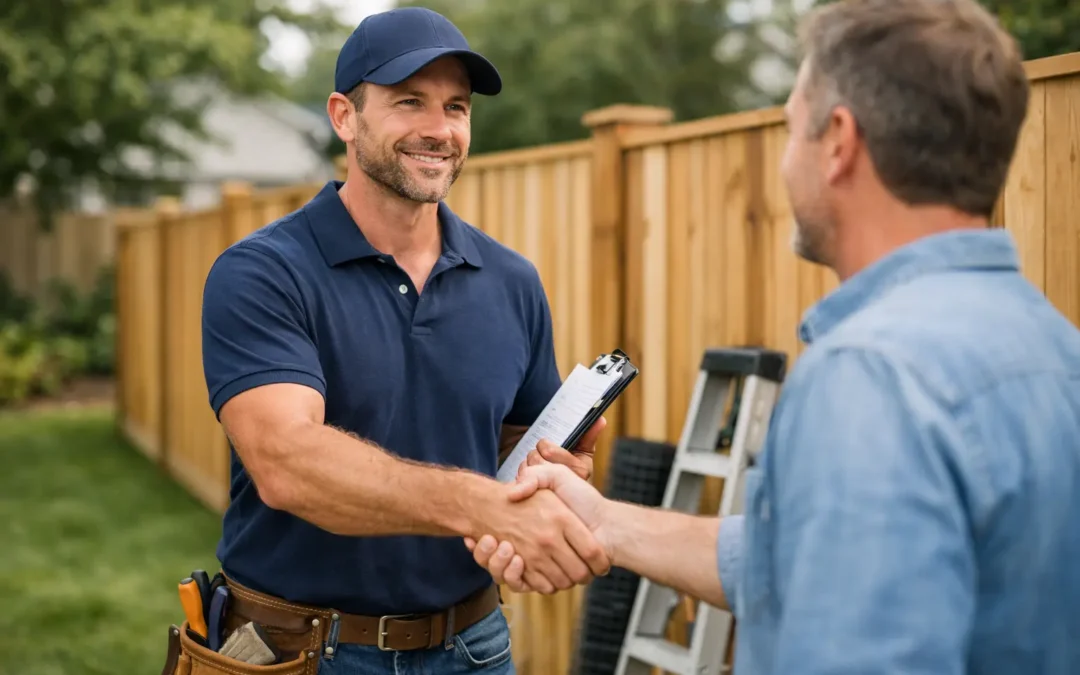
A fence can look straightforward from the street, but the work behind a dependable installation is rarely simple. A qualified fence contractor considers property lines, slopes, drainage, gate placement, utilities, local conditions, and the way you actually use the property before the first post is set. That planning is what separates a fence that serves you for years from one that begins leaning, sagging, or creating daily frustration.
For homeowners, a fence may mean privacy for the backyard, a safer place for children and pets, or a finished look around a new home. For businesses and property managers, it can be part of a broader security plan that protects equipment, controls access, and defines the site. The right contractor should understand the difference and recommend a solution built around your priorities rather than a one-size-fits-all installation.
Start With the Purpose of Your Fence
The best material is not always the most expensive one. It is the one that fits the job. Before requesting estimates, identify what the fence needs to accomplish. Privacy, containment, security, curb appeal, pool safety, temporary site protection, and controlled entry all call for different approaches.
A wood privacy fence can create a warm, enclosed backyard and can be customized in height and style. It also requires periodic care to protect its appearance and performance. Vinyl offers a clean, low-maintenance option for many residential properties, though it may not be the right choice for every impact-prone or high-security setting. Chain link is practical, economical, and well suited to pet areas, commercial perimeters, athletic spaces, and job sites. Ornamental iron fencing adds visibility and a more formal appearance while providing a strong boundary around homes, offices, and entryways.
An experienced contractor should ask how you plan to use the space, not simply ask how many feet of fence you need. That conversation helps determine the proper height, style, gate configuration, post depth, and material selection from the beginning.
What a Professional Fence Contractor Should Evaluate
A dependable estimate begins at the property, not with a quick guess over the phone. Measurements matter, but so do the conditions that affect the installation. A contractor should walk the proposed fence line and identify issues that may change the scope, schedule, or cost of the work.
Terrain is one of the biggest factors. Western Arkansas and Eastern Oklahoma properties often include slopes, uneven grades, rock, drainage paths, and irregular lot lines. A fence can follow the ground, step down in sections, or use another approach depending on the material and desired appearance. Each option has trade-offs. A tight fence line may be better for containing pets, while a stepped design can create a cleaner visual result on a pronounced slope.
Utility locations also require attention. Digging without proper planning can cause expensive damage and serious safety concerns. Gate placement deserves the same care. A gate that looks good on a drawing can become inconvenient if it blocks a vehicle path, opens into a slope, or does not provide enough clearance for equipment. Commercial sites may need wider access points, rolling gates, keypad entry, or integrated access control systems.
The contractor should also discuss drainage. Fence posts placed in areas that hold water need careful installation and material choices. Ignoring a drainage problem does not make it disappear after the fence is installed. It often leads to premature wear, shifting soil, and a less stable fence line.
Look Beyond the Lowest Estimate
A low price can be appealing, especially when the project covers a large property. But estimates should be compared by scope, materials, installation standards, and long-term value, not by the final number alone. Two quotes for the same fence type may include very different post sizes, rail construction, gate hardware, concrete work, removal services, or warranty coverage.
Ask what is included in writing. The estimate should clearly describe the material, style, approximate footage, height, number and type of gates, and any special site work. If old fencing needs to be removed, confirm whether haul-away is included. If staining, cleaning, custom fabrication, or access control is part of the project, make sure those services are specifically addressed rather than assumed.
Quality installation is especially important at the posts and gates. Posts carry the structure of the fence, and gates are the parts you use most often. Saving a small amount upfront by accepting undersized materials or weak gate hardware can lead to recurring repairs. A professional contractor explains the available options and helps you decide where it makes sense to invest.
Verify Experience, Insurance, and Local Reputation
Fencing is a visible investment, but much of its quality is underground or hidden in the details. That is why the contractor’s track record matters. Look for an established company with experience in the type of work you need, whether that is a backyard privacy fence, a commercial security perimeter, temporary rental fencing, or custom metalwork.
Ask whether the company is licensed and insured. This protects both the property owner and the crew when work is taking place on the site. It is also reasonable to ask how the company handles changes discovered during installation. Rock beneath a fence line, an unexpected grade change, or a utility conflict can affect the plan. The right response is clear communication and practical options, not a surprise after the work is underway.
Local experience adds real value. A contractor who works regularly in Sebastian, Crawford, Franklin, and Sequoyah counties understands the regional soil conditions, weather exposure, property layouts, and expectations that influence a successful project. That knowledge can help prevent avoidable problems while keeping the work moving efficiently.
Choose Materials for the Years Ahead
Fence decisions should account for the next five or ten years, not only the day of installation. Consider the maintenance you are willing to perform, how much direct weather exposure the fence will receive, and whether your needs could change.
For example, wood offers flexibility and natural character, but staining or sealing can help preserve it against moisture and sun. A vinyl fence reduces routine maintenance, making it attractive for busy households and certain commercial settings. Chain link can be upgraded with privacy slats, coated finishes, or security features when a standard galvanized fence does not meet the full need. Iron and custom metal fencing can provide lasting visual impact, but the design should match the property’s architecture and intended level of security.
Do not overlook maintenance services when making the choice. Fence cleaning and staining can extend the useful life of a wood fence and refresh its appearance. Planning for that care is often more cost-effective than waiting until the fence shows significant wear.
Communication Is Part of Good Workmanship
A well-built fence should come with a well-managed process. You should know who to contact, when the crew is expected, what preparation is needed from you, and how the property will be treated during installation. For homeowners, that may mean moving outdoor furniture, discussing pet access, and identifying sprinkler heads or landscaping concerns. For commercial clients, it may involve coordinating around operating hours, vehicle traffic, safety requirements, and restricted areas.
Clear communication is especially valuable when a project includes more than fence panels and posts. Access control systems, rental fences, custom gates, and architectural metal fabrication all require coordination between the property owner, contractor, and sometimes other trades. Choosing a company that can handle multiple parts of the perimeter project can reduce delays and help keep the finished work consistent.
A Fence Should Feel Like a Long-Term Improvement
The right fence does more than mark a boundary. It gives a family more privacy, helps a business protect its property, makes access easier to manage, and improves the way a site looks and functions every day. Those benefits depend on sound recommendations and careful installation.
Modern Fence Company has served the region since 1950 with residential, commercial, and specialty fencing solutions built around those practical needs. When you are ready to move forward, start with a detailed estimate and a conversation about how your property needs to work. A few thoughtful decisions before installation can make the finished fence a source of confidence for many years.