
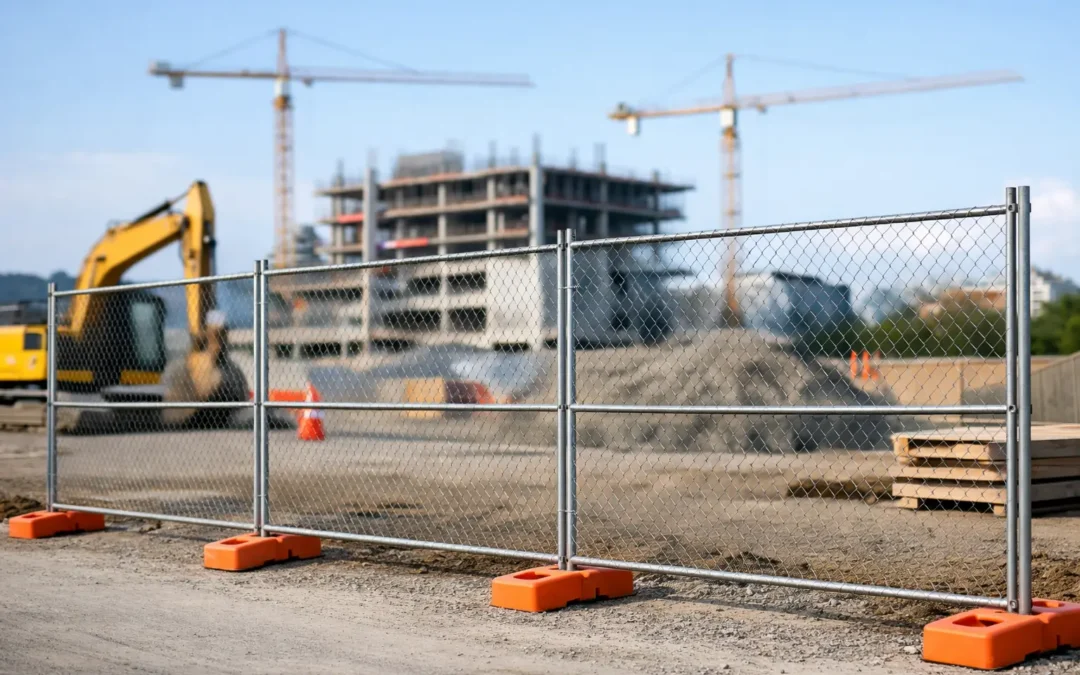
A jobsite can change fast. One day it is open ground with a few stakes in the dirt. The next, equipment is arriving, materials are stacked, and foot traffic starts drifting closer than it should. That is usually the moment temporary construction fence rental moves from a nice idea to a real need.
For contractors, property managers, and business owners, a temporary fence is not just about marking the edge of a project. It helps control access, protect equipment, reduce liability, and keep a site looking organized. When the right fence is installed at the right time, crews can work with fewer interruptions and owners can feel more confident about what happens after hours.
Why temporary construction fence rental matters
A construction site has moving parts, changing hazards, and people coming and going throughout the day. Leaving that area open creates avoidable problems. Pedestrians may cut through the site, unauthorized vehicles may enter, and materials can become easier targets for theft or tampering.
Temporary construction fence rental gives you a fast, practical way to establish a secure perimeter without committing to a permanent installation. That matters for short-term work, phased builds, emergency repairs, special projects, and sites where conditions may change week by week.
There is also a professionalism factor that should not be overlooked. A clearly defined perimeter sends a message that the site is being managed responsibly. For commercial properties and public-facing projects, that appearance can make a difference with tenants, customers, inspectors, and nearby neighbors.
When renting makes more sense than buying
In many cases, renting is the smarter option. If the fence is only needed for a few weeks or months, buying panels, stands, and gates may not be cost-effective. Storage becomes another issue once the project is complete. Not every contractor or property owner wants stacks of fence panels taking up yard space after the work is done.
Rental also simplifies logistics. Delivery, setup, adjustments, and removal are typically part of the plan, which saves time and keeps your crew focused on the project itself. If the site expands, access points change, or the timeline shifts, rental service can be adapted more easily than a do-it-yourself approach.
That said, it depends on how often you need it. A company managing multiple ongoing jobsites may eventually compare long-term rental costs against ownership. But for many local projects, especially one-time or seasonal work, renting keeps things straightforward.
What a temporary construction fence should do
Not every site needs the same fence layout. A small commercial renovation has different needs than a roadwork staging area or a large new build. Still, a good temporary fence system should accomplish a few basic goals.
First, it should create a visible and reliable boundary. Workers, visitors, delivery drivers, and the public should be able to tell where access begins and ends.
Second, it should support site security. A fence will not replace lighting, locks, or good site management, but it does make unauthorized entry more difficult and more noticeable.
Third, it should fit the conditions of the site. Ground slope, surface type, wind exposure, equipment access, and pedestrian traffic all matter. A fence that works perfectly on a flat gravel lot may need adjustments on uneven ground or in tighter urban spaces.
Finally, it should allow the project to keep moving. Gates, panel layout, and placement all need to support deliveries, crew flow, and safe entry points instead of creating bottlenecks.
Choosing the right temporary construction fence rental
The best rental setup starts with the realities of the site, not with a one-size-fits-all package. Panel height, length, gate placement, and stability all need to match the project.
For many jobsites, chain link fence panels are the standard choice because they are durable, visible, and quick to install. They work well for creating a strong perimeter and can be reconfigured as the project changes. In some cases, privacy screening may also be added to reduce visibility into the site, limit dust movement, or improve the appearance of the perimeter from the street.
Access matters just as much as the panels themselves. If crews need frequent equipment entry, the gate layout should reflect that from the beginning. A fence that looks secure on paper can become frustrating in practice if every delivery requires moving panels or creating an improvised opening.
Wind and surface conditions are another key consideration. Temporary fence panels rely on stands, braces, and proper installation for stability. On exposed sites, especially open commercial lots, that support needs to be planned carefully. A rushed installation may save time on day one and create problems by day three.
What affects cost
One of the first questions people ask is how much temporary construction fence rental will cost. The honest answer is that pricing depends on the size of the site, the length of the rental period, and the complexity of the setup.
A simple, level site with easy access is generally more straightforward than a site with tight corners, changing elevations, or multiple entry points. More panels, more gates, and more adjustments usually mean higher cost. Rental duration matters too. A short-term emergency need may be priced differently than a planned multi-month project.
Location can also influence the quote. Delivery distance, local demand, and scheduling all play a role. In Fort Smith and across Western Arkansas and Eastern Oklahoma, working with a regional provider that understands the area can help avoid delays and unnecessary complications.
The lowest quote is not always the best value. If installation is careless, the fence may need repeated adjustments or fail to provide the level of security you expected. A dependable setup often saves money by reducing site disruptions and avoiding preventable issues.
Common situations where rental fencing helps
Construction is the obvious use case, but it is not the only one. Temporary fencing is often needed for demolition, storm damage repair, utility work, concrete curing areas, material staging, and building renovations where the property remains partially occupied.
It is also useful when a property owner needs a short-term barrier while making decisions about a permanent fence. In those situations, rental fencing can provide immediate protection without forcing a rushed long-term choice.
For commercial operators, temporary fencing can help separate work zones from customer areas or protect parts of a property during phased improvements. That flexibility is one of the biggest advantages of renting rather than installing something fixed too early.
Why installation experience matters
Temporary fence may sound simple, but proper setup still matters. Poorly aligned panels, weak gate placement, or inadequate support can create access headaches and safety concerns. If the fence has to be moved repeatedly because the original layout was not thought through, the project loses time.
Experienced installers look beyond the panel count. They consider traffic patterns, equipment clearance, surface conditions, and the practical day-to-day use of the fence. That kind of planning is especially important on active jobsites where speed matters but so does reliability.
A local contractor with a long track record brings another advantage: familiarity with the region. Soil conditions, weather patterns, commercial site layouts, and scheduling expectations are not exactly the same from one market to the next. Modern Fence Company has served this region since 1950, and that local experience matters when a site needs a fence plan that works in the real world, not just on paper.
Questions to ask before you rent
Before scheduling a temporary fence, it helps to think through a few practical details. How long will the site need to be secured? Will large trucks or equipment need regular access? Is privacy screening needed, or is simple perimeter control enough? Will the fence need to shift as the project progresses?
It is also worth discussing who is responsible for changes if the site layout evolves. Construction projects rarely stay frozen from start to finish. A rental plan should leave room for adjustments without turning every change into a major delay.
The more clearly those needs are defined up front, the smoother the rental process tends to be.
A better fence plan starts before problems start
The best time to think about temporary fencing is before materials arrive, before the first trench is opened, and before someone wanders into an active work area. Temporary construction fence rental works best as part of a site plan, not as a reaction to a close call.
A well-placed temporary fence helps protect people, equipment, schedules, and your reputation. If your project needs a secure perimeter, the right rental setup can give you one less thing to worry about while the real work gets done.