
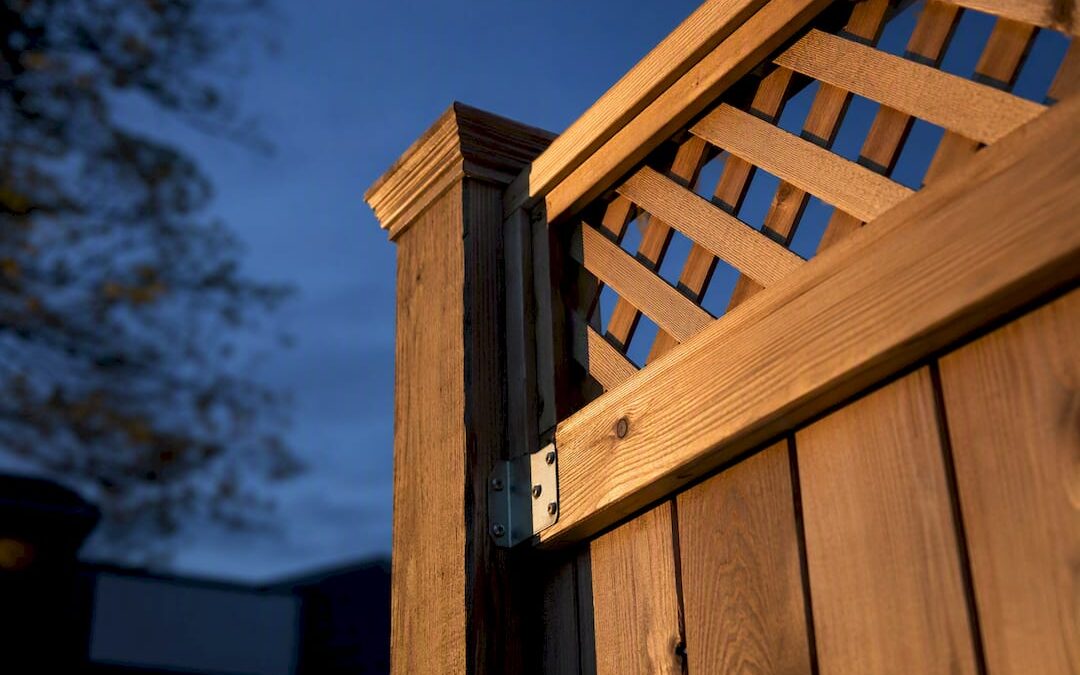
A lattice top fence pairs a solid lower panel with an open lattice section above it, adding some extra height without walling off light or airflow. It’s the right call when you want more privacy than a standard 4 to 6 foot fence gives you, plus some visual interest, but you don’t want the cost, permit hassle, or heavy look of a full solid wall. If your yard needs screening more than a fortress, this is your answer.
TL;DR:
- A lattice top fence can increase height by 12 to 24 inches, potentially exceeding local height limits if not carefully measured and permitted.
- Vinyl lattice adds about 8% to the project cost and requires minimal maintenance, while cedar needs staining or sealing every few years to last 15–20 years.
- Strength and post condition are critical; existing posts must be solid and properly supported to handle wind load from added lattice, especially on taller fences.
- Design pattern and color influence privacy and aesthetic; darker stains, double layering, or climbing plants improve screening without increasing fence height.
- Hiring a licensed installer reduces long-term issues by ensuring proper support, permit handling, and adherence to building codes, compared to DIY projects risking structural failure.
Table of Contents
- What Materials and Styles Work Best for a Lattice Top Fence?
- How Does Lattice Design Affect Privacy and Light?
- Will a Lattice Topper Push My Fence Over the Height Limit?
- What Does It Cost to Add Lattice to a Fence?
- Should You Add a Topper or Install Full Lattice-Top Panels?
- How Long Do Lattice Fences Last, and What Maintenance Do They Need?
- DIY Installation vs Hiring a Pro: What Actually Fits Your Skill Level
- What Does a Typical Lattice Fence Installation Look Like Start to Finish?
- What Design Options Go Beyond a Basic Lattice Panel?
- Why a Licensed Installer Changes the Long-Term Outcome
- Ready to Add Height and Privacy the Right Way?
- The Real Trade-Off Nobody Puts on the Brochure
- Sources
What Materials and Styles Work Best for a Lattice Top Fence?
Vinyl, cedar, and metal each bring something different to the table, and the right pick usually comes down to how much upkeep you’re willing to do versus how much natural character you want.
- Vinyl costs less to maintain, resists rot and insects, and holds its color for decades, but it looks more uniform and less textured than wood.
- Cedar and other wood deliver the warm, classic look most homeowners picture when they think of decorative garden fencing, though it needs staining or sealing to fight moisture and sun damage.
- Metal (aluminum or steel lattice inserts) shows up less often on residential lots but works well for a more architectural, modern look, especially paired with masonry or metal posts.
Pattern matters as much as material. Diagonal lattice reads more traditional and casual, square lattice looks cleaner and more modern, and dedicated privacy lattice uses tighter openings for real screening power rather than pure decoration. Homeowners who hate yard work tend to land on vinyl. Homeowners chasing curb appeal and a natural finish usually pick cedar, even knowing the maintenance trade-off.
How Does Lattice Design Affect Privacy and Light?
Opening size does the heavy lifting here. Standard lattice patterns block roughly 60 to 70 percent of direct sightlines, according to design research on lattice fence panels, while tighter privacy lattice patterns push that number higher by shrinking the gaps between slats.
Height matters too, but not in isolation. A topper that’s too tall for the fence below looks like an afterthought bolted on top. Keeping the lattice section to roughly one-quarter to one-third of the total fence height, per guidance from cedar lattice installers in the Pacific Northwest, keeps the proportions looking intentional rather than top-heavy.
A few design moves increase screening without adding height:
- Darker stains and solid colors reduce visual transparency more than light, natural wood tones.
- Double-layering lattice panels (offsetting two layers) tightens the effective opening size.
- Climbing vines or tall plantings along the lattice add a living privacy layer that also softens the look.
Pro Tip: If your neighborhood caps fence height, skip the argument with your HOA and go visual instead. Staggered lattice paired with plantings can read as private as a taller solid fence, no extra inches required.
Will a Lattice Topper Push My Fence Over the Height Limit?
Most residential fences top out at 6 feet in backyards and 4 feet in front yards, and adding a lattice topper can quietly push you past that line before you’ve noticed. A 12 to 24 inch topper on top of an existing 6 foot fence can land you at 7 to 8 feet, which plenty of cities and HOAs flag as over the limit.
Before you buy a single panel, work through this sequence:
- Measure your existing fence height and add the topper height you’re considering to see your true total.
- Check your local building department’s fence ordinance for maximum height by yard zone (front, side, back).
- Review your HOA covenants if you have one. HOAs often restrict materials and colors on top of height.
- Call ahead about permits and budget the fee and any inspection time into your project timeline.
Skipping this step is the single most common reason lattice-topper projects stall halfway through installation.
What Does It Cost to Add Lattice to a Fence?
Lattice detail raises your project cost, but not by the same margin across materials. Wood lattice typically adds around 20% to a fence project’s total cost, while vinyl lattice runs closer to an 8% uplift, largely because vinyl toppers often arrive prebuilt and go up faster.
Wood lattice adds roughly 20% to total fence project cost; vinyl lattice adds closer to 8%, according to industry cost data.
Your budget breaks down into a handful of line items:
- Toppers or full lattice-top panels (material cost varies most here)
- Framing and blocking to support the topper’s weight and wind load
- Posts sized to handle the added height
- Fasteners and brackets rated for outdoor exposure
- Labor, which runs higher for site-built wood toppers than prebuilt vinyl
- Stain, sealant, or paint for finish work
If the number’s higher than you hoped, a few moves bring it back down: install toppers on just the sections facing neighbors or the street instead of the whole perimeter, choose prefinished panels to cut labor time, lean vinyl over wood, or bundle the lattice work into a broader privacy fencing project to spread the mobilization cost.
Should You Add a Topper or Install Full Lattice-Top Panels?
You have two real paths here. Add-on toppers attach lattice sections to a fence you already own, which works well when your existing fence is structurally sound and you just want more height and screening. Full lattice-top panels come as one built unit, solid bottom and lattice top together, and make more sense for new installations or full fence replacements.
Either way, the structure underneath has to hold up its end. Before attaching anything, check:
- Post condition. Rotted, leaning, or undersized posts won’t support the added wind load a topper creates.
- Framing. Toppers need to attach to structurally sound framing, not just face boards, according to installers who work with cedar lattice fencing.
- Wind exposure. Open lots and corner lots see more wind stress on tall, open-pattern lattice than sheltered yards.
- Attachment method. Brackets rated for outdoor use, screwed into posts rather than nailed into boards, resist sag far better over time.
If you’re doing it yourself, you’ll need a level, post hole digger or auger, a circular saw, exterior screws and brackets, and comfort working at height on a ladder. Sequence matters: confirm structural soundness first, then measure and cut, then attach starting from one post and working level across the run.
If you’re hiring a contractor, ask about licensing and insurance, request a written estimate that separates material and labor, confirm who pulls the permit, and ask what warranty covers sag or fastener failure. A residential fence installation guide is worth reviewing either way, since the framing principles apply whether you’re building the whole fence or just the topper.
How Long Do Lattice Fences Last, and What Maintenance Do They Need?
Lifespan and upkeep track closely with material choice. Cedar lattice typically lasts 15 to 20 years with regular care, but skip the sealing and you’ll see rot and warping much sooner. Vinyl lattice can outlast wood by a wide margin with almost no maintenance, though it can crack under a hard impact. Metal lattice holds its shape well but needs rust prevention wherever the coating chips or scratches.
Routine care by material:
- Cedar: Restain or reseal every 2 to 3 years, and check for soft or discolored spots after wet seasons.
- Vinyl: An occasional power wash keeps it looking new. There’s no sealing required.
- Metal: Touch up scratched paint or coating promptly to keep rust from spreading.
Walk your fence line each spring and fall. Catching a loose bracket or a slightly sagging panel early is a five minute fix. Ignored for a season, it becomes a full panel replacement.
DIY Installation vs Hiring a Pro: What Actually Fits Your Skill Level
DIY lattice-topper installation appeals to homeowners with basic carpentry experience and the right tools already in the garage. If you’ve hung a gate, built a deck rail, or handled a post hole digger before, adding a topper to an existing fence is a realistic weekend project. The upside is straightforward: you save on labor costs, and you control the timeline. The downside shows up later, not on install day. Attaching a topper to weak framing or skipping a permit check are the two mistakes that cause the most callbacks, and both are easy to miss if you’re learning as you go.
Hiring a professional costs more upfront, typically covering labor, permit handling, and a warranty on the work. What you’re really buying is risk reduction. A licensed crew has already seen what wind does to a poorly braced topper, and they know which fastener holds up in your specific soil and climate conditions. That experience shows up as fewer repairs five years down the line, not as something you notice on installation day.
The honest dividing line is tool access and time. If you own or can rent a post hole digger, a circular saw, and a good level, and you have a full weekend free, DIY is workable for add-on toppers on a fence you already know is structurally sound. Full lattice-top panel replacements, corner lots with heavy wind exposure, or any project that needs a permit pulled tips the scale toward hiring out. There’s no shame in either choice. It’s a question of what your specific yard and schedule can actually support.
What Does a Typical Lattice Fence Installation Look Like Start to Finish?
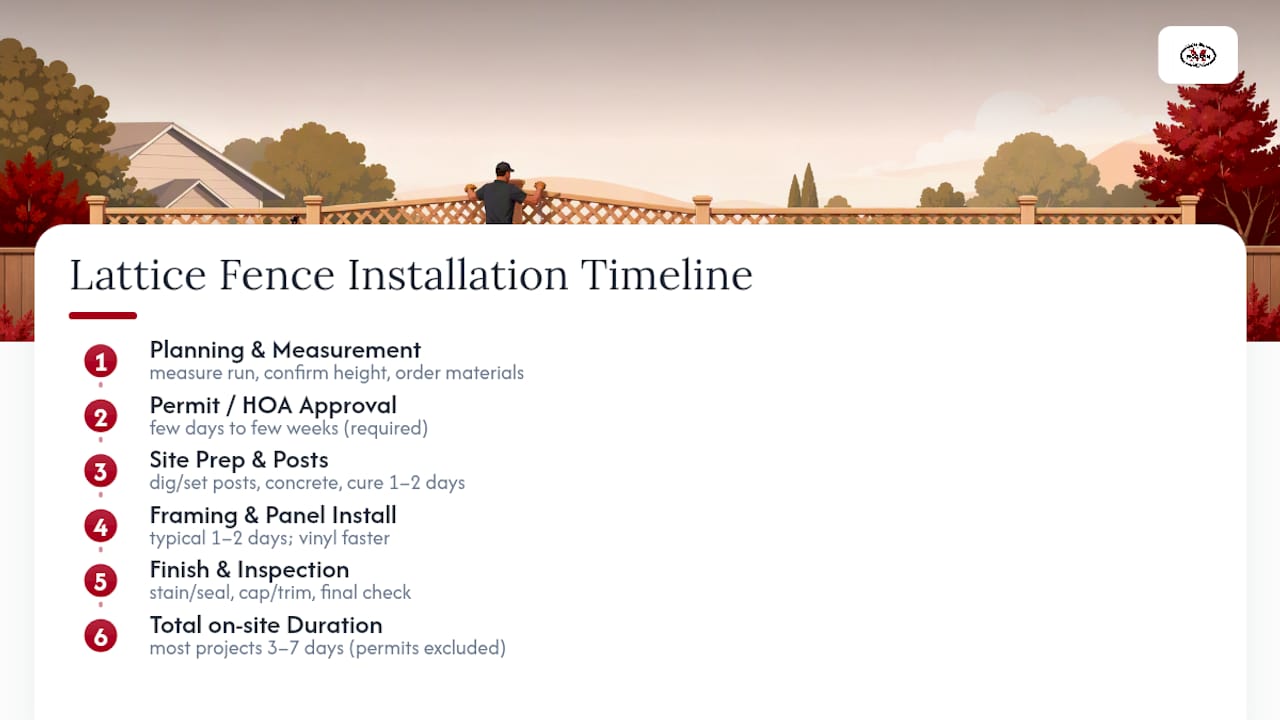
A straightforward lattice-top project, whether topper or full panel, tends to follow the same general timeline regardless of material.
Day one starts with planning, not building. You measure the run, confirm total height against local rules, and check post spacing and condition if you’re adding to an existing fence. This is also when you finalize material orders, since prebuilt vinyl panels often need lead time to ship.
Permit and HOA approval come next, and this step can take anywhere from a few days to a few weeks depending on your municipality. Skipping ahead of this step is how homeowners end up tearing out work they already paid for.
Site prep and post work follow. For new installs, that means digging and setting posts with concrete, then letting them cure for a day or two before loading weight onto them. For toppers going onto existing fences, this step shrinks to a structural check and any needed reinforcement.
Framing and panel installation happen over one to two days for a typical residential yard, longer for larger properties or hand-built wood lattice sections. Prebuilt vinyl panels install noticeably faster here than site-built wood toppers.
Finish work closes out the project, covering stain or sealant for wood, cap and trim fence details, and a final check of every bracket and fastener. All told, most homeowners see a full lattice-top fence project run 3 to 7 days from ground-breaking to finished product, not counting permit wait time.
What Design Options Go Beyond a Basic Lattice Panel?
Lattice fence design has moved well past the plain crisscross pattern most people picture. Diagonal, square, and basketweave patterns each change the fence’s whole personality, and mixing pattern styles between panels can turn a privacy fence with lattice accents into a real design feature instead of an afterthought.
Color extends that customization further. Prebuilt vinyl panels now ship in white, tan, and wood-look finishes as standard options, letting you match trim or siding without a custom paint job. Wood lattice takes stain and paint just as easily, opening the door to bolder color choices if that fits your home’s style, an approach designers discuss when weighing finish and color trends for exterior and interior spaces alike.
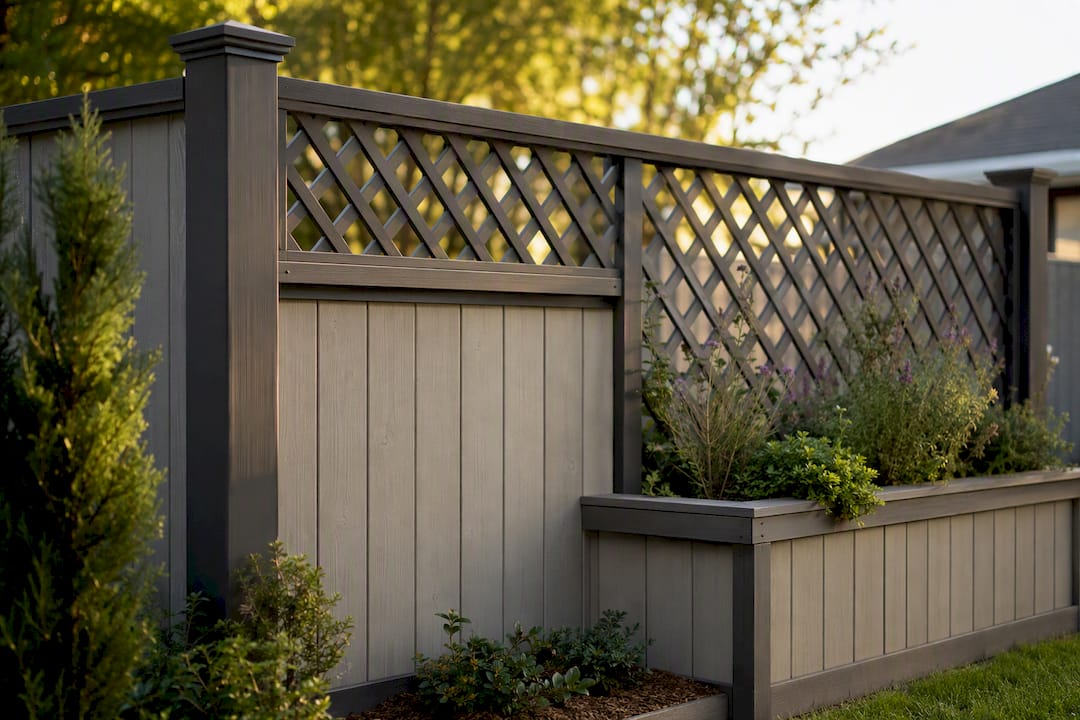
Integrated features push the design even further. Built-in planter boxes along the base turn a fence line into a garden bed. Decorative post caps add a finished, custom look for relatively little cost. Some homeowners split the difference between privacy and openness by running solid panels for the first four feet and lattice above only on the sections that need it, like around a patio or hot tub, while leaving the rest of the yard more open.
Why a Licensed Installer Changes the Long-Term Outcome
A lattice topper puts real stress on framing you might not have designed for wind load in the first place. Licensed crews check post condition and attachment points before adding height, which is exactly the step most sagging or storm-damaged toppers skip.
Experienced fence installers bring a long history of service, reflected in attention to correct proportioning, permit handling, and finish work that helps extend a fence’s lifespan beyond initial appearance. Licensed and insured crews also carry the accountability a weekend DIY project can’t offer if something goes wrong. That’s not a small thing when you’re adding height and weight to a structure that’s already standing.
Ready to Add Height and Privacy the Right Way?
If you’ve read this far, you already know a lattice topper is only as good as what it’s attached to. Professional fence installers handle both sides of that equation: sound structural work below, and design detail on top that makes a fence with lattice accents look intentional instead of bolted on.
Our estimate process starts with a site visit, where we check your existing posts and framing if you’re adding a topper, or plan the full layout if you’re starting fresh. From there, you get a written quote covering material, labor, and a realistic timeline, plus help navigating any permit or HOA paperwork specific to your property in Western Arkansas or Eastern Oklahoma. We install vinyl, cedar, and metal lattice-top designs, handle finish work like staining and sealing, and offer maintenance plans to keep your fence looking sharp for years. If cedar is your preference, our wood fence installation service covers the framing and finish details that make a lattice topper last. Ready to see what a lattice-top fence would cost for your property? Start with our fence installation guide or reach out for a free, no-pressure estimate.
The Real Trade-Off Nobody Puts on the Brochure
Every lattice-top fence sold in a showroom photo looks perfectly proportioned, evenly stained, and structurally flawless. Real installations rarely start that way, and the gap between the two comes down to one decision most homeowners underrate: whether the framing underneath was ever designed to carry a topper’s wind load in the first place.
Here’s what the conventional advice gets backwards. Most buying guides frame the lattice topper decision as a materials question: vinyl versus cedar, diagonal versus square. That’s the easy part. The harder question is structural, and it’s the one that determines whether your topper is still standing straight in three years or leaning after the first bad storm. A fence built to code at 6 feet solid wasn’t necessarily engineered to hold another 18 inches of open lattice catching wind like a sail.
I’d also push back on the idea that DIY is automatically the “budget” choice and hiring a pro is automatically the “premium” one. That framing misses the actual math. A DIY topper on weak framing that needs to be torn out and redone in two years costs more, in money and hassle, than paying for a structural check upfront. The real budget decision isn’t vinyl versus cedar. It’s whether you’re solving the privacy problem once or twice.
If there’s one thing worth remembering from all of this, it’s that the lattice pattern you pick matters far less than what it’s screwed into.
— mark
Sources
- Spindle & Lattice Top Fence Design Options – For Fences & Gates
- Lattice fence panels ideas that blend privacy with openness
- Cedar lattice top fence installation in Oregon & Washington