
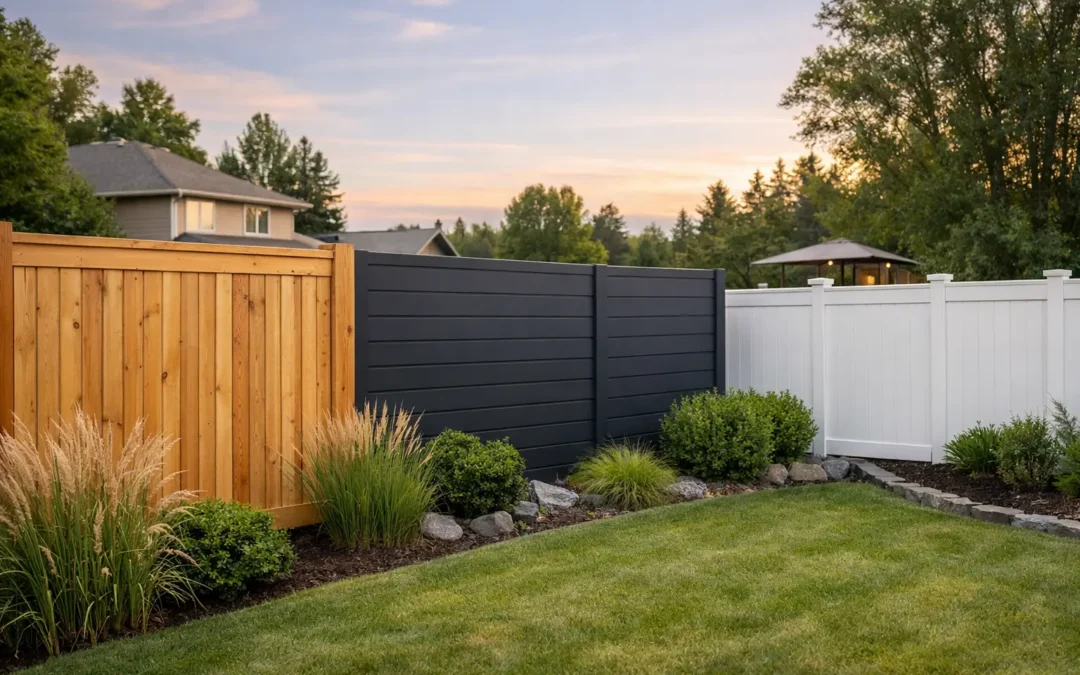
A backyard can look open on paper and still feel exposed once you start using it. Maybe the neighbor’s second-story window looks straight onto the patio. Maybe traffic noise carries farther than expected. Maybe you simply want a space that feels like your own. That is where privacy fencing makes a real difference. Done right, it creates separation, improves security, and gives your property a more finished, intentional look.
Privacy is the reason most people start this conversation, but it is rarely the only goal. Homeowners also want durability, curb appeal, and a fence that fits the way they actually live. For some, that means a quiet place for family time. For others, it means keeping pets contained, screening a pool area, or blocking a less-than-ideal view. The best result comes from treating privacy fencing as part of the property, not just a line around it.
What privacy fencing really needs to do
A good privacy fence should block sightlines without making your yard feel boxed in. That balance matters more than many people expect. A fence that is too low may leave key areas exposed. A fence that is too tall or too heavy for the setting can make a smaller lot feel tighter than it is.
This is why layout matters as much as material. You may not need the same level of screening on every side of the property. A backyard entertaining area often needs more privacy than a side yard. A commercial property may need screening near traffic flow or storage areas while leaving visibility open at entrances. The right design starts with how the space is used day to day.
There is also the question of security. A privacy fence is not the same thing as a security fence, but it can support security by limiting visibility into the property and clearly defining boundaries. For many homes and businesses, that added separation is part of the value.
Choosing the right material for privacy fencing
Material selection shapes how your fence looks, how much maintenance it needs, and how well it holds up over time. There is no single best option for every property. The right choice depends on budget, appearance, climate exposure, and how much upkeep you want to take on.
Wood privacy fencing
Wood remains one of the most popular choices because it offers a classic look and strong visual coverage. It works well with many home styles and gives you flexibility in height, board style, and finish. A properly installed wood privacy fence can feel substantial without looking harsh.
The trade-off is maintenance. Wood needs ongoing care to protect against moisture, sun, and normal aging. Staining or sealing helps extend its life and preserve its appearance. If you like the natural look of wood and are willing to maintain it, it is often a strong choice.
Vinyl privacy fencing
Vinyl appeals to property owners who want a clean, finished look with less routine maintenance. It does not need painting or staining, and it resists many of the issues that affect untreated wood. For busy homeowners and commercial sites, that lower-maintenance advantage can be a deciding factor.
That said, vinyl has a different appearance than wood, and not every property owner prefers it. Quality also matters. Better-grade vinyl products tend to perform and look better over time, especially in areas with heat, wind, and regular weather exposure.
Metal and mixed-material options
Traditional iron or chain link are not typical first choices for full privacy, but they can still play a role. In some commercial settings, privacy screening may be added to chain link where function matters more than decorative appearance. In other cases, custom metal elements can be paired with privacy sections for a more tailored look.
This is where experience matters. Some properties need more than a standard panel fence. Slopes, gates, access needs, and architectural details can call for a combination of materials instead of a one-size-fits-all approach.
Height, design, and property layout
Fence height is one of the first practical decisions, and it should be handled with care. Taller is not always better. The goal is to block the views that matter while keeping the fence proportional to the lot and compliant with local requirements.
On a flat property, a standard privacy height may work well across the entire yard. On a sloped lot, though, those same panels can leave gaps or create an uneven top line if the fence is not planned correctly. A stepped or racked installation may be needed depending on the terrain and the material selected.
Gate placement is another detail that affects the usefulness of the fence. A privacy fence should not make access harder than it needs to be. If you move lawn equipment, trailers, or service vehicles through the property, gate width and swing direction should be part of the plan from the start.
Design details also shape the final result. Board spacing, top caps, trim, and post style can change the look from basic to polished. Those features may seem secondary, but they often make the difference between a fence that feels temporary and one that feels like a lasting improvement.
Why installation quality matters more than most people think
Privacy fencing has to do more than stand upright on the day it is installed. Posts need to be set correctly, lines need to be consistent, and the fence needs to account for wind load, drainage, and ground movement. If those basics are missed, the fence may lean, warp, sag, or fail sooner than it should.
Poor planning can also create avoidable problems. Utility locations, property lines, grade changes, and existing structures all affect the installation. An experienced contractor will look at those conditions before work begins, not after materials are already on site.
For homeowners, that means fewer surprises and a cleaner finished project. For businesses and property managers, it means less disruption and better long-term value. A fence is a visible part of the property every day. Craftsmanship shows.
Privacy fencing for homes and businesses
Residential and commercial privacy needs often overlap, but they are not identical. At a home, privacy fencing is usually about comfort, security, and appearance. Families want to enjoy the yard without feeling exposed. They want a fence that complements the home and holds up through the seasons.
On commercial properties, privacy can be tied more directly to operations. Screening can help protect equipment, define service areas, or separate customer-facing space from work areas. In those situations, appearance still matters, but durability, access control, and site function often lead the conversation.
That is one reason a seasoned contractor brings more value than a basic installer. A property with multiple needs may require privacy fencing, custom gates, or adjacent access solutions that work together rather than compete.
What to expect before you build
Before moving forward, it helps to think beyond the fence panel itself. Consider what you want the fence to solve first. Is the biggest issue visibility, noise, containment, or appearance? If you know your priorities, the design decisions become clearer.
It is also worth thinking about maintenance expectations and long-term cost. A lower upfront price does not always mean better value if the fence needs more repair or replacement down the road. Materials, installation quality, and site conditions all affect total ownership cost.
If your property sits on uneven ground or has unusual access points, bring that up early. In parts of Western Arkansas and Eastern Oklahoma, terrain can change quickly from one lot to the next, and that affects everything from post placement to gate design. A good estimate should reflect real conditions, not ideal ones.
Getting a fence that feels right years from now
The best privacy fence is not just the one that looks good after installation. It is the one that still fits your property, your routines, and your expectations years later. That usually means choosing a style with staying power, using quality materials, and working with a contractor who understands both appearance and performance.
A fence should give you confidence every time you pull into the driveway or walk the perimeter of your property. It should look intentional, hold up well, and do the job you hired it to do. If you are considering privacy fencing, the smartest next step is to look at your property as a whole and build a solution that matches how you live or work there.