
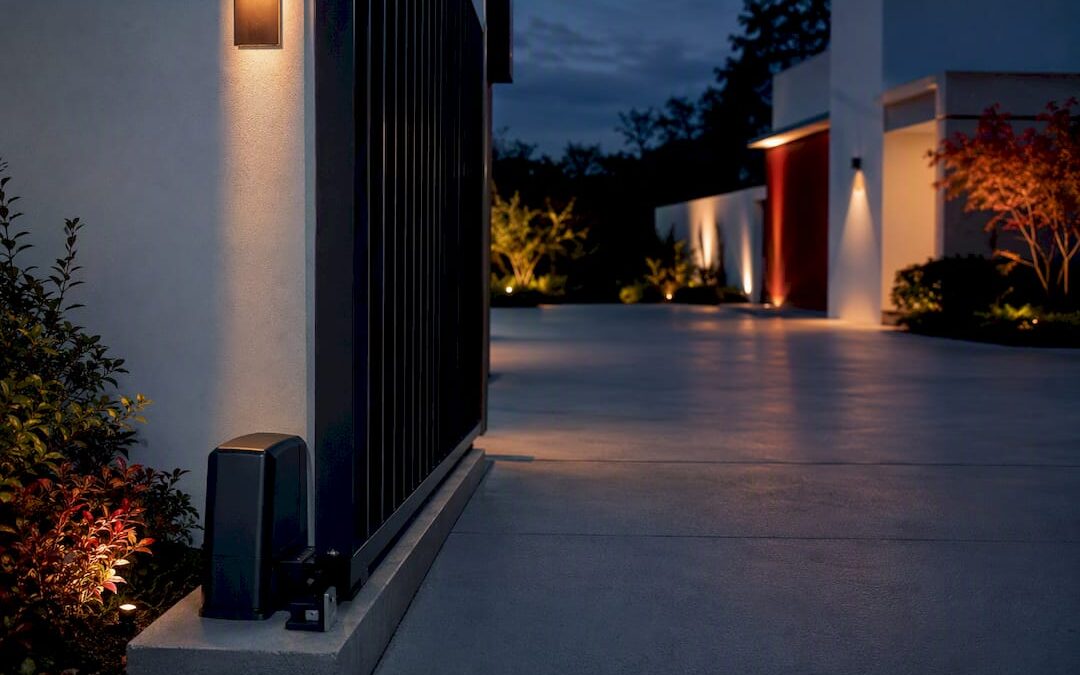
Most homeowners should budget $2,500 to $8,000 for a standard automated driveway gate with basic automation, and $10,000 to $18,000 for a premium install with steel or wrought iron, a stronger motor, and site work. A typical 12 to 14 foot residential opening lands near $3,500 to $6,000. The three biggest swing factors are gate material, motor size, and how much concrete and electrical work your driveway needs.
TL;DR:
- Installing a basic automated driveway gate typically costs between $2,500 and $8,000, depending on material choices and site conditions.
- Heavy-duty gates, such as steel double swing or steel cantilever, can reach $10,000 to $18,000 with premium motors and site work.
- Site prep, including grading, conduit, and permit costs, can add 30 to 50 percent to the overall project budget.
- Additional costs for motors, keypad entry, sensors, and backup systems generally range from $800 to $3,500, with safety sensors being highly recommended.
- DIY kits are cheaper upfront but often overlook critical foundation, wiring, and permit requirements, which may lead to higher total expenses or safety issues.
Table of Contents
- What Does an Automatic Gate Cost by Type and Material?
- What Drives Labor, Permit, and Site Prep Costs?
- How Much Do Motors, Keypads, and Sensors Add to the Price?
- Is a DIY Gate Kit Actually Cheaper Than Hiring a Pro?
- What Will Ongoing Maintenance and Repairs Cost?
- How Do You Build an Accurate Gate Budget?
- What Modern Fence Company Brings to a Gate Project
- Get an Itemized Quote for Your Driveway Gate
- Where These Cost Figures Come From
- Sources
What Does an Automatic Gate Cost by Type and Material?
Gate type sets the floor for your budget before you even pick a material. A single swing gate is the cheapest configuration to automate because it needs one operator arm and minimal track work. Sliding and cantilever gates cost more because cantilever designs require a longer ground beam and heavier counterbalance framing, while sliding gates need a track or rail system that has to be leveled and anchored correctly. Sliding and cantilever gates usually run higher than swing gates for exactly this reason.
Material changes both the sticker price and what you need underneath it. Aluminum is lighter, which means a smaller motor can move it, and it resists rust without the maintenance wood or steel eventually demands. Aluminum typically costs less than steel or wrought iron to buy and to automate, since heavier metal gates often need a commercial-grade operator to open reliably.
Here’s how the numbers typically break down by gate type and material combination for a standard residential driveway:
| Gate Type | Typical Material | Estimated Cost Range |
|---|---|---|
| Single swing | Aluminum | $2,500–$6,000 |
| Double swing | Steel or wrought iron | $6,000–$15,000+ |
| Sliding | Aluminum or steel | $4,000–$10,000 |
| Cantilever | Steel | $3,500–$6,000 |
| Vertical lift | Aluminum or steel | $10,000–$18,000 |
A few things push a quote to either end of these ranges:
- Wood gates cost less upfront but need a heavier duty motor to overcome weight and wind resistance, plus more frequent refinishing.
- Vinyl gates run moderate on material cost but are rarely rated for the torque of larger automated openers, limiting them to lighter-duty setups.
- A basic 12-foot aluminum swing gate with basic automation often totals $3,000 to $6,000, while a decorative 14 to 16 foot steel double swing with an upgraded motor and intercom can reach $8,000 to $15,000 or more.
- Double gates roughly double the hardware cost of a single swing but don’t double labor, since crews are already on site with equipment staged.
If you’re still deciding between configurations, our breakdown of automatic gate options for security and access walks through which type fits which driveway.
What Drives Labor, Permit, and Site Prep Costs?
Hardware is only part of the bill. Site conditions and labor frequently account for a third to half of a total automatic gate project, and this is where budgets go sideways if nobody accounts for them upfront.
Grading a sloped or uneven driveway, clearing trees or brush near the gate line, and running conduit for power all add cost before the gate itself goes in. A driveway with drainage issues may need a concrete footing redesign, and poor soil sometimes calls for deeper post foundations than a standard install. Installer labor rates typically fall between $30 and $80 per hour, while electricians commonly charge $50 to $100 per hour for the wiring and control work automated gates require.
Permits add another layer most homeowners don’t budget for. Permits, inspections, and required civil works can add $50 to $2,000 depending on jurisdiction and scope, and processing time can stretch a project timeline by weeks. Reputable contractors usually pull permits on your behalf, but you should confirm that in writing rather than assume it.
Watch for these often-overlooked line items:
- Utility locating fees before digging near buried lines
- Crane or flatbed delivery charges for heavy cantilever or steel gates
- Disposal fees for old fencing or excavated soil
Pro Tip: Ask every contractor whether their quote includes utility locating and disposal. Those two items alone can add several hundred dollars that a low bid conveniently leaves out.
How Much Do Motors, Keypads, and Sensors Add to the Price?
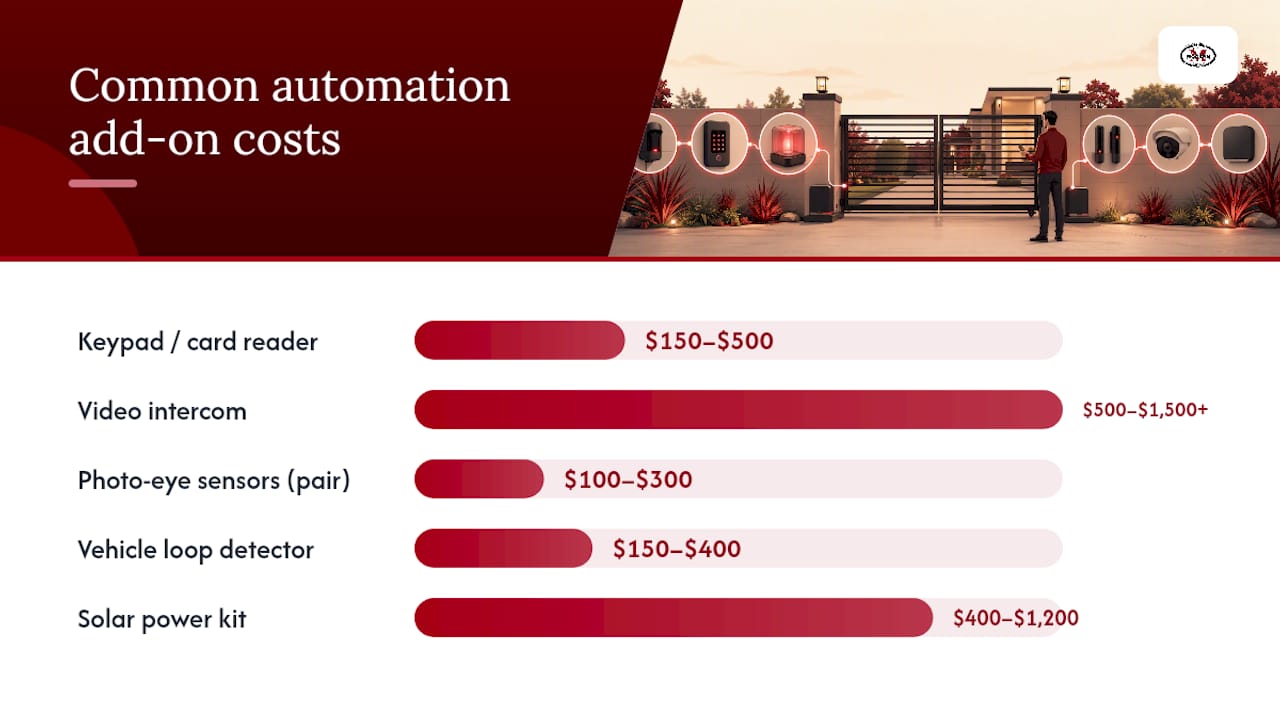
The operator is usually the second-biggest line item after the gate itself. A lighter aluminum swing gate can run on a modest residential motor, while a heavy steel cantilever or double gate needs a commercial-duty operator rated for higher cycles and torque. Automation components and accessories typically add $800 to $3,500 for basic to mid-range systems, with premium video intercoms and monitored setups pushing well beyond that.
Common add-ons and their typical price ranges:
- Keypad or card reader entry: $150–$500
- Intercom (audio only): $200–$600; video intercom: $500–$1,500+
- Photo-eye safety sensors: $100–$300 per pair
- Vehicle loop detectors: $150–$400
- Battery backup: $150–$400
- Solar power kit (for gates far from a power source): $400–$1,200
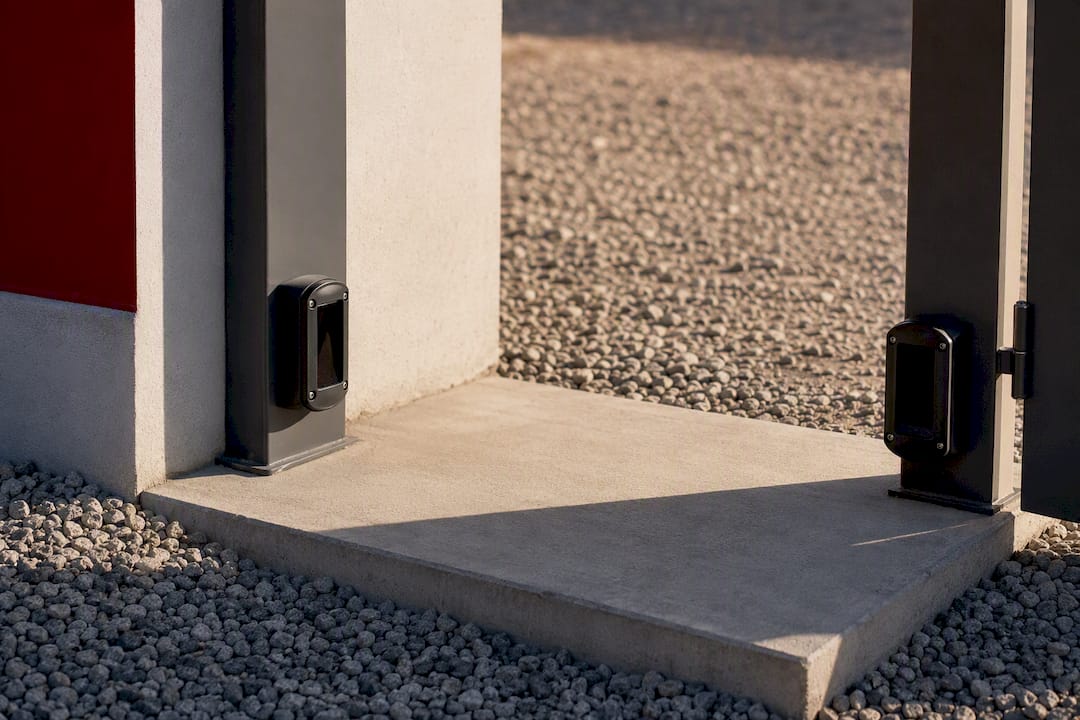
Safety sensors matter more than most homeowners realize. Insurers and local codes increasingly expect photo-eye sensors on any automated gate, since a gate that closes on a vehicle or person is a liability issue, not just a warranty one. If you’re weighing a smart-home tie-in or monitored access, our guide to choosing access control systems for gates covers subscription costs and integration options in more depth.
Is a DIY Gate Kit Actually Cheaper Than Hiring a Pro?
A DIY kit looks appealing on price alone, often running $1,500 to $4,000 in hardware, versus $2,500 to $8,000 for a fully contractor-installed gate. But that comparison misses what a kit doesn’t include.
- Footings and foundation work. DIY kits rarely account for the concrete depth needed to anchor a gate against wind load and repeated cycling.
- Conduit and wiring. Running underground electrical safely to code is a job most DIYers underestimate, both in cost and in liability if done wrong.
- Certified safety sensors. DIY kits often omit certified safety sensors and reinforced footings, and insurers may require professional certification to maintain coverage.
- Programming and calibration. Getting travel limits, obstruction sensitivity, and remote pairing right takes trial and error most kits don’t walk you through.
- Permit filings. Many jurisdictions require a permit for the electrical portion alone, and DIY installs can trigger inspection issues at resale.
A typical professionally managed project runs four to eight weeks from signed quote to completion, factoring in permit review. Compare that against a manual gate if automation isn’t a must for your situation.
What Will Ongoing Maintenance and Repairs Cost?
Budget for upkeep, not just the install. Typical annual maintenance and operating costs run $150 to $400 per year, covering lubrication, hinge and track adjustments, and sensor testing.
Repairs cost more when deferred. Motor or electronics repairs can range from $200 to $1,500 depending on the issue, and a neglected track or hinge problem tends to escalate into a full operator replacement.
- Motors typically last 10–15 years with regular maintenance.
- Steel and wrought iron gates can last 20+ years; wood needs refinishing every 3–5 years.
- Solar backup batteries usually need replacement every 3–5 years.
Our gate repair cost guide breaks down specific repair scenarios if you want to plan further ahead.
How Do You Build an Accurate Gate Budget?
Treat your budget like a worksheet, not a single number. Itemize five categories separately: the gate itself, the automation package, site prep, permits, and labor. Adding them individually, rather than accepting one lump quote, makes it obvious where a bid is thin.
When you’re comparing contractors, ask these questions directly:
- Does the quote break out gate, motor, accessories, site work, and labor separately?
- Who pulls the permit, and is that fee included in the total?
- Is the electrical work subcontracted, and to a licensed electrician?
- What’s the warranty on the motor versus the gate structure itself?
- What’s the realistic timeline, including permit review?
Red flags worth walking away from: a single lump-sum number with no line items, no mention of safety sensors, no permit discussion, or a price that sits noticeably below every other bid you’ve collected. Compare bids by unit measures, cost per foot of gate, cost per labor hour, not just the bottom-line total, since two similar-looking quotes can hide very different scopes.
Pro Tip: If a bid seems too low, ask specifically whether concrete footings and safety sensors are included. Contractors trimming those two items are usually how a lowball number gets low.
What Modern Fence Company Brings to a Gate Project
Modern Fence Company has operated in Western Arkansas and Eastern Oklahoma for more than 70 years, licensed and insured, with services that cover the full scope of a gate project: fencing, access control, and custom metal fabrication. When we scope a residential automatic gate job, we start with a site survey, confirm permit requirements, plan concrete footings for the actual soil and slope, and coordinate the electrical work rather than leaving it to guesswork.
Every quote we provide is itemized, gate, automation, site prep, permits, and labor listed separately, so you know exactly what you’re paying for and what’s covered under warranty. This guide is meant to help you budget realistically before you ever call us or anyone else.
Get an Itemized Quote for Your Driveway Gate
Modern Fence Company installs automatic gates from start to finish, site survey and permit handling through footing work, motor installation, and long-term maintenance, so you’re not stitching together separate contractors for each piece.
That end-to-end approach is the practical difference for homeowners: instead of coordinating a mason, an electrician, and a gate supplier separately and hoping the pieces line up, one licensed and insured team scopes the whole job and stands behind every part of it. We serve homeowners and businesses across Western Arkansas and Eastern Oklahoma with the same craftsmanship standard we’ve applied for over 70 years, whether the project is a single aluminum swing gate or a full commercial access system.
If you’re ready to see real numbers for your driveway, request a written, itemized quote through our fence installation guide and we’ll walk your specific site conditions with you before any work begins.
Where These Cost Figures Come From
This guide draws on published cost data from Angi, HomeAdvisor, LatestCost, and Pro Review Online, each covering national pricing ranges, labor rates, and DIY cost comparisons for automated driveway gates.
Sources
- How Much Does Automatic Gate Installation Cost? 2026 Data | Angi
- Install a security gate cost | HomeAdvisor
- Driveway gate installation cost: Price ranges, drivers, and ways to save 2026 – LatestCost
- Driveway Gate DIY: What It Actually Costs, Line by Line – Pro Review Online