A fence can look great in a showroom photo and still be the wrong choice for your property. That is why an ornamental iron fence review needs to go beyond appearance. If you are comparing fencing for a home, business, gate entry, or a larger perimeter project, the real question is simple: how does ornamental iron perform after years of weather, use, and maintenance?
The short answer is that ornamental iron remains one of the best-looking and longest-lasting fencing options available, but it is not the right fit for every job. It offers strong curb appeal, dependable security, and a clean, open look that works well on both residential and commercial properties. At the same time, it usually costs more than chain link or standard wood, and some installations need careful planning when the ground is uneven.
Ornamental Iron Fence Review: What Stands Out
What makes ornamental iron different is the balance between strength and appearance. Many fencing materials force you to pick one or the other. Ornamental iron gives you a fence that looks refined from the street while still creating a serious physical boundary.
For homeowners, that often means improving the front yard without closing it off visually. For commercial properties, it can mean defining a perimeter that looks professional rather than industrial. This is one reason ornamental iron stays popular around offices, churches, schools, multifamily properties, and custom homes.
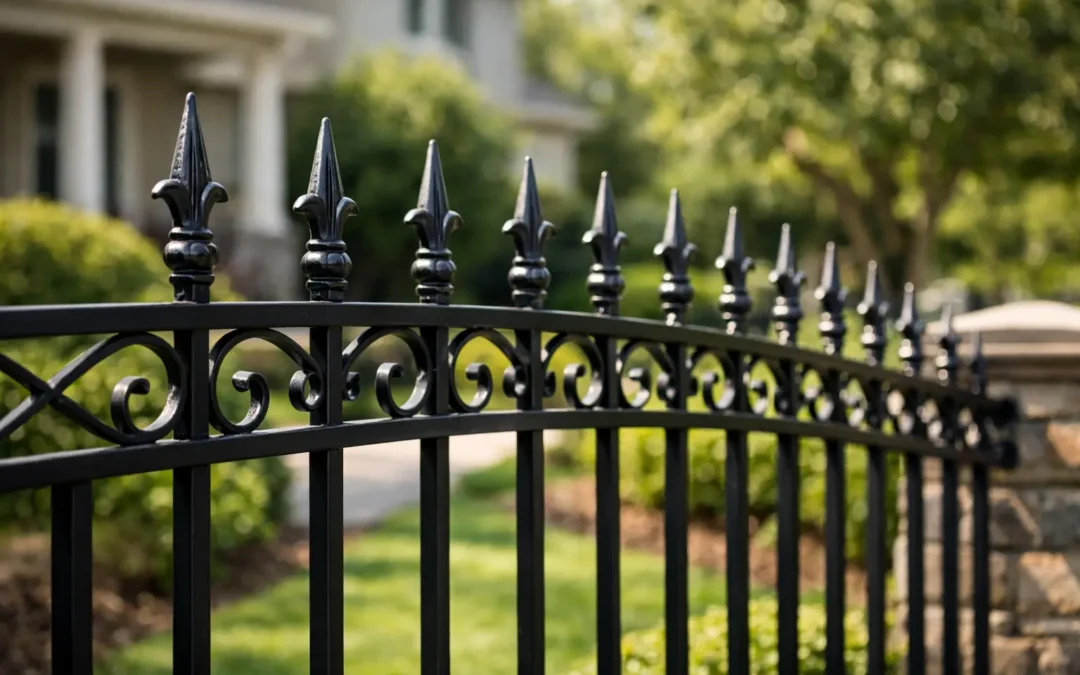
The design flexibility also deserves attention. You can keep it simple with straight pickets and clean lines, or choose a more decorative style with finials, rings, curves, or custom gate work. That range makes it easier to match the fence to the architecture instead of settling for a one-size-fits-all look.
Durability and Long-Term Performance
If you are buying for long-term value, durability is where ornamental iron earns its reputation. A properly built and professionally installed iron fence can hold up for decades. It handles impact better than many lightweight materials, and it does not warp or sag the way wood often can over time.
That said, not all products sold as ornamental iron are equal. Some modern systems are true wrought-style iron, while others are fabricated steel or metal fencing designed to give a similar appearance. The quality of the coating, welds, fasteners, and posts matters as much as the style itself.
In practical terms, powder-coated finishes and quality fabrication make a major difference. A good finish helps resist corrosion, fading, and chipping. A poor finish can turn a premium-looking fence into a maintenance problem much sooner than expected.
Climate also matters. In Arkansas and eastern Oklahoma, heat, rain, wind, and seasonal moisture can test any exterior material. Ornamental iron generally performs well in these conditions, but only when installation is done correctly and drainage around posts is considered from the start.
How It Handles Security
Ornamental iron is not just for looks. It creates a strong visual deterrent and a real barrier against trespassing. The picket spacing, height, and top design can all affect how secure the fence feels and functions.
A shorter decorative fence around a front yard serves a different purpose than a taller perimeter fence around a commercial site. If security is a priority, details such as gate hardware, latch systems, access control, and post stability matter just as much as the panels themselves. A beautiful fence with a weak gate is not much of a security solution.
The Real Trade-Offs
A fair ornamental iron fence review has to acknowledge where this material may not be the best choice.
The first trade-off is cost. Ornamental iron usually comes with a higher upfront investment than chain link, and often more than standard wood or some vinyl options. For many buyers, that higher price is justified by appearance and life span. For others, especially on large acreage or temporary projects, it may not make financial sense.
The second trade-off is privacy. Ornamental iron is an open-style fence. It marks boundaries clearly, but it does not block views the way wood or vinyl privacy fencing does. If your top goal is backyard seclusion, ornamental iron may work better in the front or on the sides of a property than across the entire rear line.
The third issue is maintenance. While modern finishes have reduced upkeep significantly, ornamental iron is not maintenance-free. Scratches, chips, or rust spots should be addressed early before they spread. The good news is that routine care is usually straightforward when the fence is built with quality materials.
Ornamental Iron Fence Review for Homes
For residential properties, ornamental iron often delivers the biggest payoff where appearance matters most. A front-yard fence, pool surround, entry gate, or decorative side boundary can all benefit from the clean lines and upscale look of iron.
It is especially appealing when you want security without making the property feel closed in. Parents can keep children or pets inside a defined area while still preserving visibility. Homeowners with landscaping, stonework, or custom architecture often prefer ornamental iron because it complements those features instead of hiding them.
Still, there are situations where another material may be a better fit. If you want complete backyard privacy, noise reduction, or the lowest possible installation cost, iron may not be your first choice. The best residential fence is not always the most expensive one. It is the one that matches the way you actually use the property.
Pool Areas and Sloped Yards
Ornamental iron performs particularly well around pools because it offers visibility and a polished look while still creating a secure enclosure. Visibility matters for safety, and many owners prefer the cleaner appearance over bulkier privacy materials.
It also adapts better than some fence types on sloped yards. With the right layout and installation method, an iron fence can follow grade changes in a way that looks intentional instead of awkward. That is one area where contractor experience matters a great deal.
Is It a Good Choice for Commercial Properties?
Often, yes. For many commercial sites, ornamental iron gives a more professional first impression than chain link while still supporting perimeter control. It is commonly used for office buildings, apartment communities, retail centers, churches, schools, and secured entrances.
Business owners usually care about three things: appearance, durability, and liability. Ornamental iron checks those boxes well when the system is designed for the site. Gate access, vehicle entry points, pedestrian flow, and sightlines all need to be considered during planning.
For high-security industrial sites, iron may be paired with other features such as controlled access or custom gate systems. For properties where appearance is part of the brand, the fence itself becomes part of the curb appeal.
What Installation Quality Changes
A lot, honestly. Even a premium ornamental iron product can disappoint if it is installed poorly. Fence lines need to be laid out carefully. Posts need proper depth and alignment. Gates need to swing and latch correctly. On uneven terrain, spacing and transitions need to look clean rather than patched together.
This is why estimate-driven buyers should look past material samples and ask how the project will actually be built. Utilities, drainage, grade changes, and access points all affect performance. An experienced installer sees those issues before they become expensive corrections.
For custom projects, fabrication quality also matters. If you want a distinctive entry gate, architectural metal detail, or a fence that ties into existing site features, skilled metalwork can make the difference between standard and exceptional.
Final Verdict on Ornamental Iron
So, is it worth it? In many cases, yes. If you want a fence that offers strong visual appeal, dependable security, and long-term value, ornamental iron is one of the best options on the market. It works especially well when visibility, property definition, and a polished finished look matter as much as basic enclosure.
It is less ideal when privacy is the top goal or when budget has to stay as low as possible. That does not make it a poor choice. It simply means the right fence depends on the property, the purpose, and how long you plan to live with the result.
For homeowners and commercial buyers who want a fence that still looks right years from now, ornamental iron continues to justify its reputation. The smartest next step is not guessing from photos. It is getting a site-specific recommendation from a contractor who understands terrain, fabrication, gate systems, and the kind of workmanship that holds up over time.