
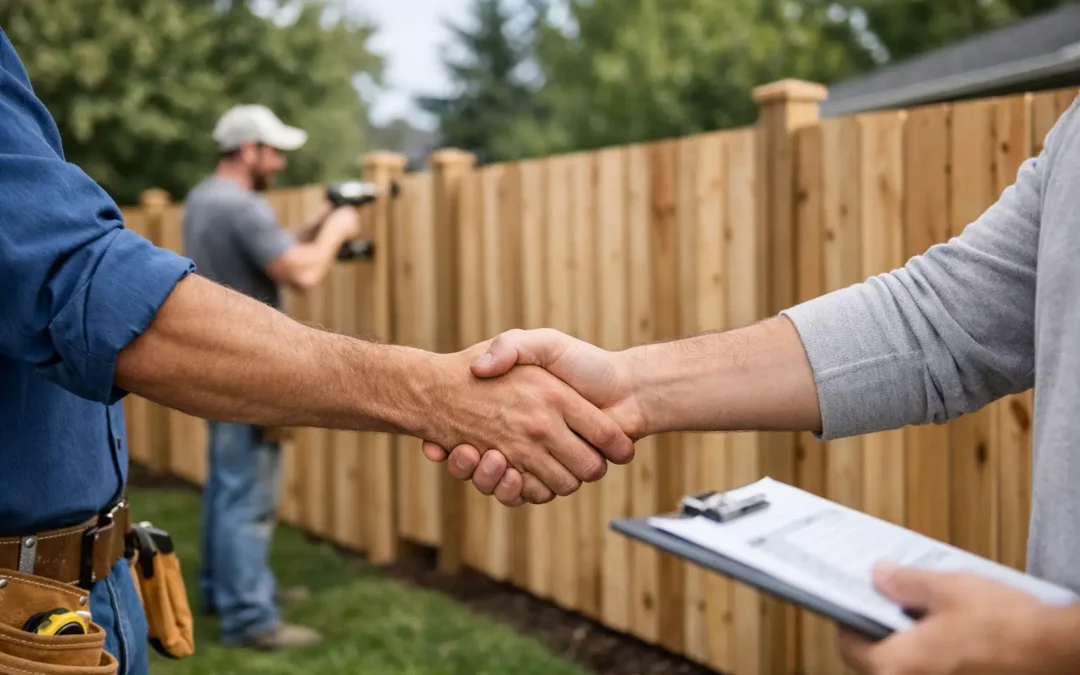
A fence can improve privacy, security, curb appeal, and the way a property functions every day. But before choosing a style or comparing estimates, make sure you are hiring a licensed and insured fence company. That decision affects who is responsible for the work, how problems are handled, and whether your investment is protected when the unexpected happens.
A lower bid may look appealing at first, especially for a straightforward backyard fence. Yet fencing projects rarely stay as simple as a line drawn on a property map. Slopes, underground utilities, gates, drainage, existing structures, local requirements, and material availability can all influence the work. A qualified contractor brings the experience, documentation, and accountability needed to handle those details correctly.
What Licensed and Insured Actually Means
The phrase “licensed and insured” is often used in contractor advertising, but property owners should understand what it means before signing an agreement. Licensing requirements can vary by location and by the type and size of project. A legitimate contractor should be able to explain the credentials that apply to its work and provide documentation when requested.
Insurance is equally important. General liability insurance is designed to help protect against property damage or injuries connected to the work. Workers’ compensation coverage may also be relevant when a contractor has employees on your property. The exact coverage needed depends on the project, the contractor’s structure, and local requirements, but the larger point is simple: uninsured work can shift unnecessary risk to the property owner.
For a homeowner, that risk may involve damage to a driveway, landscaping, siding, or underground line. For a business owner or property manager, the stakes can be even higher. A damaged access point, an unsafe jobsite, or an incomplete perimeter can interrupt operations and create liability concerns.
Why Credentials Matter on a Fence Project
Fencing is visible work, but much of its long-term performance depends on what happens below ground and behind the finished appearance. Posts need proper placement and depth. Gates need room to swing and hardware that can handle regular use. Materials must suit the purpose of the fence, whether that purpose is privacy, pet containment, pool safety, access control, or commercial security.
A licensed and insured contractor has a professional reason to approach those decisions carefully. Their reputation, coverage, and business standing are tied to the quality of the completed project. That does not mean every licensed contractor offers the same level of craftsmanship, but it gives you a stronger starting point than hiring someone who cannot verify basic business credentials.
It also matters when conditions change. Perhaps a fence line crosses uneven terrain, a buried obstruction is discovered, or a property boundary needs clarification. A dependable contractor communicates the issue, explains the available options, and documents any change in scope before moving forward. That approach protects both the customer and the contractor from misunderstandings.
Questions to Ask Before You Accept an Estimate
An estimate should do more than provide a final price. It should help you understand what is being built and what you are paying for. Ask the contractor to describe the fence material, height, post spacing, gate configuration, removal of existing fencing, and whether cleanup is included.
You should also ask about insurance and licensing directly. A professional company should not be offended by the question. Request proof of current coverage if appropriate, especially for a large residential installation, commercial perimeter project, or job involving a busy property.
It is helpful to discuss the project timeline as well. Weather, material lead times, site conditions, and permitting requirements can affect scheduling. Be cautious of any contractor who guarantees an unrealistic completion date without first looking at the property or identifying the work involved.
Finally, clarify payment terms and warranty expectations. A clear written agreement should state the work to be performed, the agreed price, payment schedule, and any conditions that could lead to additional charges. A quality fence is a significant property improvement. You should not have to rely on vague promises to understand the job.
The Lowest Price Is Not Always the Best Value
Comparing estimates is smart. Choosing strictly by price can be costly when the lower number leaves out essential work, uses lighter materials, or fails to account for difficult site conditions. Two estimates for what appears to be the same fence may differ because one includes stronger posts, better gate hardware, demolition, staining, or more careful work around slopes and utilities.
The right choice depends on your priorities. A basic chain link fence may be an excellent fit for a large area where affordability and visibility matter. A wood privacy fence may better suit a family yard, while vinyl can offer a clean look with lower routine maintenance. Ornamental iron and custom metalwork can provide a more refined appearance without sacrificing strength. For commercial properties, access control, temporary fencing, and secure gate solutions may be more important than decorative details.
The best contractor helps you weigh those trade-offs instead of steering every customer toward one material. They should ask how the space will be used, who needs access, what level of privacy is needed, and how much maintenance you are willing to take on over time.
Local Experience Helps Prevent Expensive Surprises
Regional experience is valuable because a fence has to perform in real conditions, not just look good on installation day. Western Arkansas and Eastern Oklahoma properties can present changing grades, heavy rain, clay soils, rocky areas, and established landscapes that require thoughtful planning. An experienced local contractor understands how those conditions can affect post setting, drainage, fence alignment, and gate operation.
Local knowledge also helps with practical coordination. Before digging begins, utilities must be located, and property owners should confirm the fence line is within their boundary. If a homeowners association, municipality, or commercial site has specific requirements, those details should be addressed early rather than after materials arrive.
Modern Fence Company has served the region since 1950, providing residential and commercial fence installation along with access control, rental fencing, cleaning, staining, and custom metal fabrication. That range matters because many projects need more than a standard fence panel. A business may need a controlled entrance. A contractor may need temporary site protection. A homeowner may need a fence designed around a slope, retaining feature, or existing gate location.
Signs You Are Working With a Professional Fence Contractor
Professionalism is often visible before the first post is set. A reputable contractor returns calls, schedules a site visit when needed, provides a clear estimate, and answers questions in plain language. They do not pressure you to make a rushed decision or avoid questions about coverage, materials, and scope.
During installation, the crew should respect the property and maintain an orderly work area. Some disruption is unavoidable – fence work involves digging, material staging, noise, and access to the work zone. Still, a professional team plans for those realities, communicates with the customer, and cleans up when the work is complete.
After installation, the fence should function as intended. Gates should operate properly, lines should look intentional, and the finished work should match the agreement. If a concern arises, you want a contractor with an established local presence and a clear commitment to standing behind its work.
Choose Protection, Craftsmanship, and Clear Communication
Hiring a licensed and insured fence company is not just a box to check before construction starts. It is a practical way to reduce risk and choose a contractor who treats your property with the care it deserves. Credentials matter, but so do experience, material quality, communication, and a willingness to recommend the right solution for your goals.
Take time to ask questions, review the estimate, and choose a team that explains the work clearly. A well-built fence should give you confidence every time you close the gate, secure the perimeter, or enjoy the privacy of your own property.