
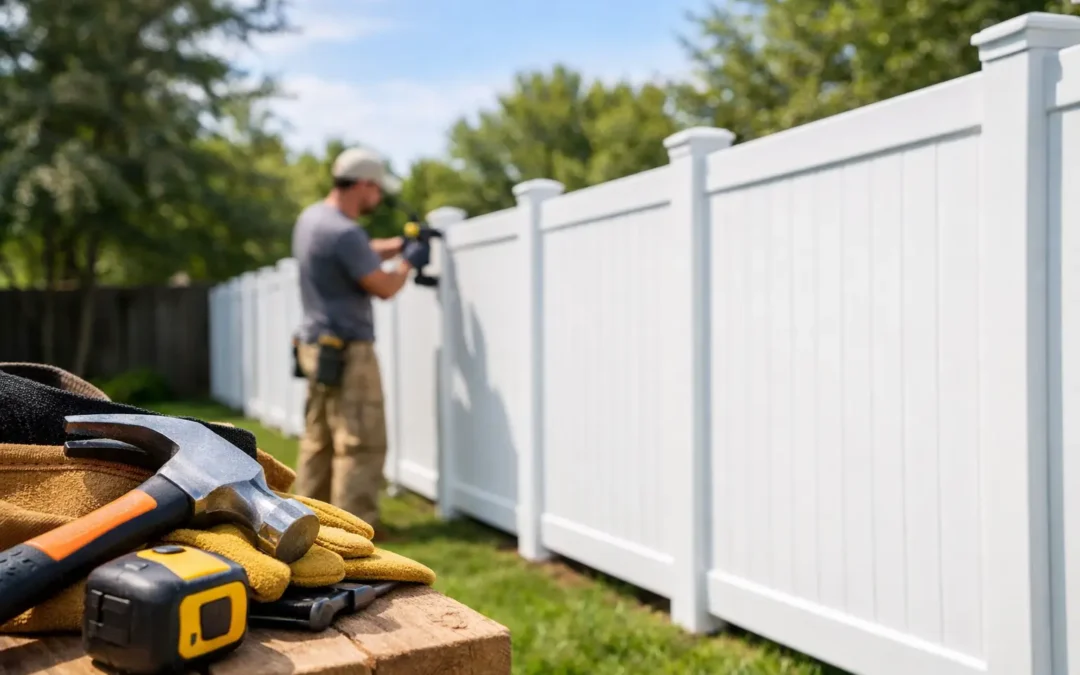
A vinyl fence can look simple from the street, but good vinyl fence installation is rarely simple on the ground. Fence lines cross slopes, corner transitions, buried utilities, drainage paths, and property boundaries that are not always as clear as they seem. That is why the quality of the installation matters just as much as the material itself.
For homeowners and property managers, vinyl is often appealing for one reason first – it stays clean-looking without the constant upkeep that comes with some other fence materials. For many properties in Fort Smith, Western Arkansas, and Eastern Oklahoma, that low-maintenance benefit is a real advantage. But the long-term result depends on proper layout, post setting, gate alignment, and choosing a design that actually fits the site.
Why vinyl fence installation is a smart choice
Vinyl fencing has earned its place because it solves a common problem. People want privacy, security, and curb appeal without signing up for regular scraping, staining, or repainting. A well-installed vinyl fence offers a clean appearance and dependable performance with less routine maintenance than many traditional options.
That said, vinyl is not a one-size-fits-all answer. If a property owner wants the natural character of wood or the open visibility of ornamental iron, vinyl may not be the right fit. But when the priority is a polished look, predictable maintenance, and solid privacy options, vinyl often checks the right boxes.
For residential properties, that can mean a backyard fence that creates separation without becoming a weekend project every year. For some commercial sites, it can mean a boundary solution that looks professional and remains presentable with minimal effort. The value is not only in how it looks on day one, but in how it performs over time.
What separates good vinyl fence installation from a quick install
A fence can appear straight for the first month and still have installation problems underneath. The real test comes later, after wind, rain, shifting soil, and repeated gate use start putting stress on the system.
Good vinyl fence installation starts with careful planning. The fence line needs to be measured correctly, grades need to be accounted for, and the post spacing needs to match the product being installed. Even small layout errors can create larger problems at the end of a run or around a gate opening.
Post installation is where many long-term issues begin. If posts are not set to the proper depth, if they are not aligned correctly, or if site conditions are ignored, the finished fence may lean, rack, or develop uneven sections. Gates are another common trouble spot. A gate that is even slightly off during installation can drag, sag, or stop latching cleanly over time.
This is why experience matters. A seasoned fencing contractor knows how to read a site before materials go in the ground. That includes spotting potential drainage issues, working through elevation changes, and planning around practical site conditions instead of forcing a standard layout onto a non-standard property.
Planning for your property, not just the product
The best fence projects begin with the property itself. Before selecting style and height, it helps to think through what the fence needs to accomplish. Privacy is one goal. Pool safety is another. Some owners care most about defining a boundary, while others are focused on securing a yard for children or pets.
That purpose influences the design. A full privacy fence creates a very different result than a picket or semi-private style. Height matters too. A six-foot fence may be ideal for backyard privacy, but not every front yard or commercial frontage benefits from that look. Local requirements, neighborhood standards, and intended use all factor into the right choice.
Terrain deserves close attention. Flat lots are usually straightforward, but many properties are not flat. On sloped ground, the installation method affects both appearance and function. In some cases, stepping the fence is the best solution. In others, racking the panels to follow the grade creates a cleaner look. It depends on the product and the site.
There is also the question of access. A beautiful fence loses value quickly if the gate placement does not make sense for daily use. Homeowners may need a walk gate near a driveway or patio. Commercial sites may need wider openings for equipment or service access. These decisions are easier to make before installation than after.
Common challenges in vinyl fence installation
Vinyl fencing is durable, but it still has to be installed with precision. One common challenge is layout on irregular property lines. A yard may appear square until actual measurements reveal offsets or old fencing that was not set on the true boundary. Confirming layout early helps avoid expensive corrections later.
Utilities are another major factor. Fence posts cannot simply be placed wherever they are convenient. Underground lines must be located, and installation plans may need to adjust around them. This is one more reason professional installation reduces risk for the property owner.
Weather and soil conditions matter as well. In this region, contractors often deal with changing ground conditions, from firm soil to areas that hold water more easily. Those differences affect post setting and overall fence stability. An installer who understands local conditions can make practical decisions that support a longer-lasting result.
Wind exposure can also influence the project. Full privacy panels create more surface area than open styles, which means posts and layout need to be planned with durability in mind. On open lots or exposed commercial properties, that detail becomes especially important.
Choosing the right style and features
Not every vinyl fence is designed for the same purpose. Privacy fencing is popular because it offers enclosure and visual screening, but semi-private and decorative styles have their place too. A front yard, community space, office property, or multi-family setting may benefit from a more open look.
Color and profile also affect the final result. White remains a common choice because it delivers a crisp, clean appearance. Other colors may better suit the architecture of the home or business. The right match depends on whether the fence should stand out as a design feature or blend into the property more quietly.
Gates should never be treated as an afterthought. They receive repeated use, and they are often the first part of the fence to show installation weaknesses. Well-built gates with proper hardware and accurate alignment make a major difference in daily convenience.
What to expect from the installation process
A professional vinyl fence project usually begins with a site visit and estimate. That is the stage where measurements are reviewed, goals are discussed, and practical questions get answered. Property owners should expect a conversation about layout, height, style, access points, and any site-specific concerns.
From there, the project moves into scheduling, utility coordination, material planning, and installation. During installation, the crew establishes the fence line, sets posts, and assembles the fence according to the product and site conditions. Attention to detail during each phase is what creates a finished fence that looks clean and performs well.
For the customer, the experience should feel organized and straightforward. Clear communication matters. So does respect for the property. A dependable contractor understands that a fence project is not just about putting materials in place. It is about delivering a finished result that protects the property and reflects well on it.
That approach has long defined companies like Modern Fence Company, where workmanship and long-term reliability carry just as much weight as appearance.
Long-term value after vinyl fence installation
One of the strongest reasons property owners choose vinyl is that it keeps maintenance manageable. Routine care is typically limited to occasional cleaning rather than repeated painting or staining. For busy homeowners and commercial operators, that saves time and reduces ongoing upkeep.
Still, low maintenance does not mean no responsibility. Gates should be checked periodically, debris should be kept away from fence lines, and any accidental damage should be addressed before it becomes a larger problem. A quality installation gives the fence a strong start, but long-term performance always benefits from a little attention.
The bigger value is consistency. A properly installed vinyl fence continues to do its job season after season while maintaining a clean, finished appearance. That helps support privacy, security, and curb appeal without placing a constant maintenance burden on the owner.
If you are considering vinyl fence installation, the best next step is to look beyond the panel itself and focus on the full project – the layout, the site conditions, the craftsmanship, and the company standing behind the work. A fence should do more than fill a property line. It should feel like a lasting improvement the first time you see it finished and every year after.