
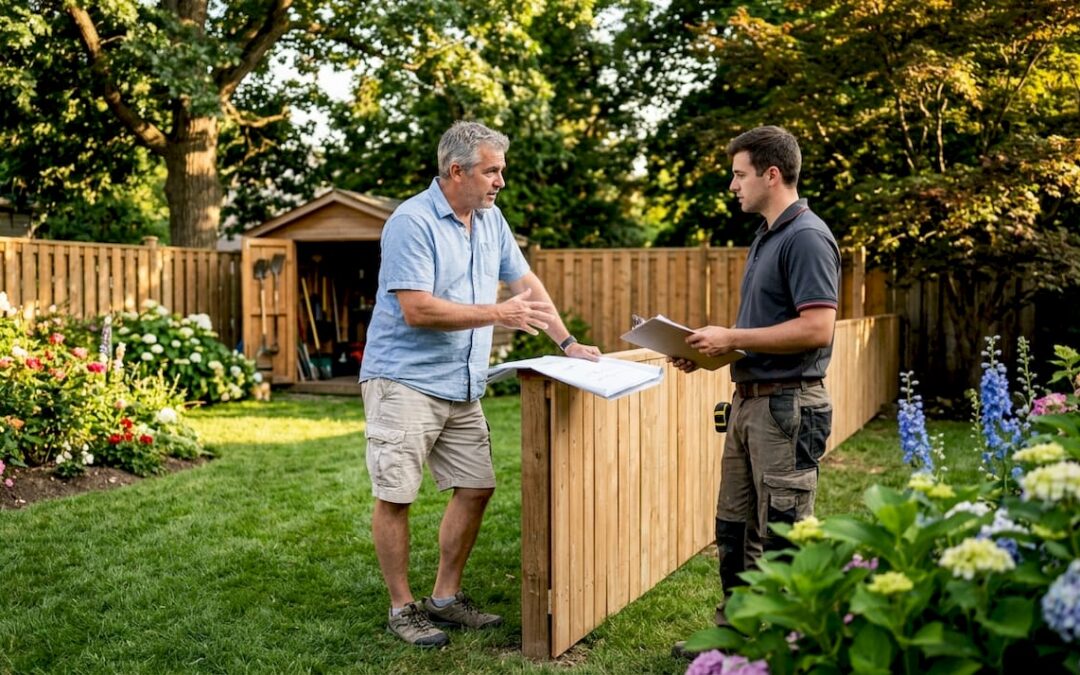
Fencing in Northwest Arkansas is the practice of installing durable, climate-appropriate barriers designed for privacy, security, and property enhancement across the region’s varied terrain. Whether you own a home in Fayetteville, manage rental units near the University of Arkansas, or oversee commercial property in Rogers, the right fence protects your investment and keeps you on the right side of local codes. The Fayetteville-Springdale-Rogers metro ranked at the top of the 2026 Milken Institute Best-Performing Cities report, which means new construction and property upgrades are accelerating fast. That growth drives steady demand for residential fence installation across the region.
What are the main fence types used in Northwest Arkansas?
Popular fencing materials in NWA include wood, ornamental iron, chain link, and vinyl. Each serves a different combination of privacy, security, and curb appeal needs. Choosing the wrong material for your property type or climate zone costs you money in repairs within a few years.
Wood fencing is the most common choice for residential privacy. Cedar and pressure-treated pine both hold up reasonably well in Arkansas humidity, but they require staining or sealing every two to three years to prevent rot and warping. A wood fence gives you the warmest visual look and works well for backyard enclosures, pet containment, and neighborhood privacy.
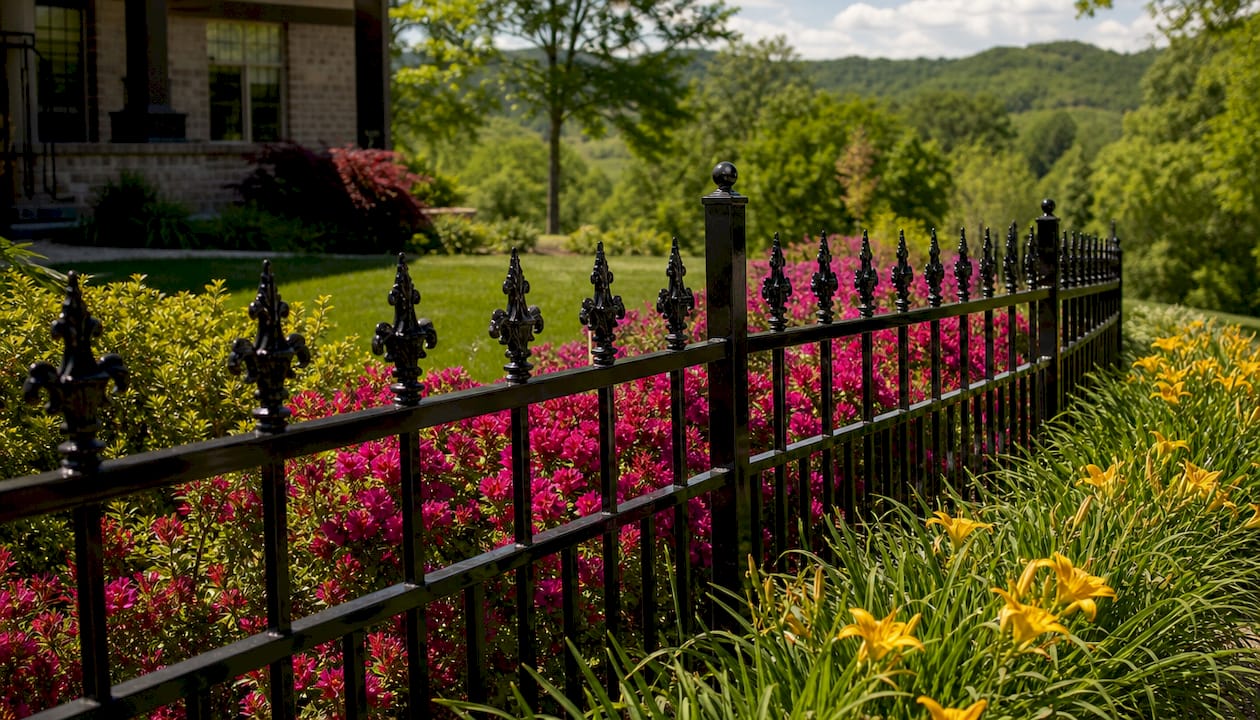
Ornamental iron is the right call when you want security and visual presence without blocking sightliness. Iron fencing suits front yards, commercial properties, and historic neighborhoods where HOA rules often restrict solid privacy panels. The tradeoff is higher upfront cost and the need for periodic rust treatment in humid conditions.
Chain link is the most affordable option for large perimeters, utility areas, and rental properties. It offers no privacy on its own, but privacy slats can be added. Chain link fencing holds up well against freeze-thaw cycles and requires almost no maintenance beyond occasional tension adjustments.
Vinyl is the low-maintenance leader. It does not rot, warp, or need painting. For rental properties near the University of Arkansas, where tenant turnover is high, vinyl fencing is a strong long-term investment because it stays clean with a simple rinse.
- Wood: Best for backyard privacy; requires regular staining and sealing
- Ornamental iron: Best for curb appeal and security; needs rust prevention
- Chain link: Best for large areas and tight budgets; minimal upkeep
- Vinyl: Best for rental properties; weather-resistant and easy to clean
Pro Tip: Match your fence material to your primary goal. Privacy fencing works best in wood or vinyl. Security without visual blocking calls for iron. Budget-driven perimeter marking points to chain link every time.
How does the fence installation process typically work in Northwest Arkansas?
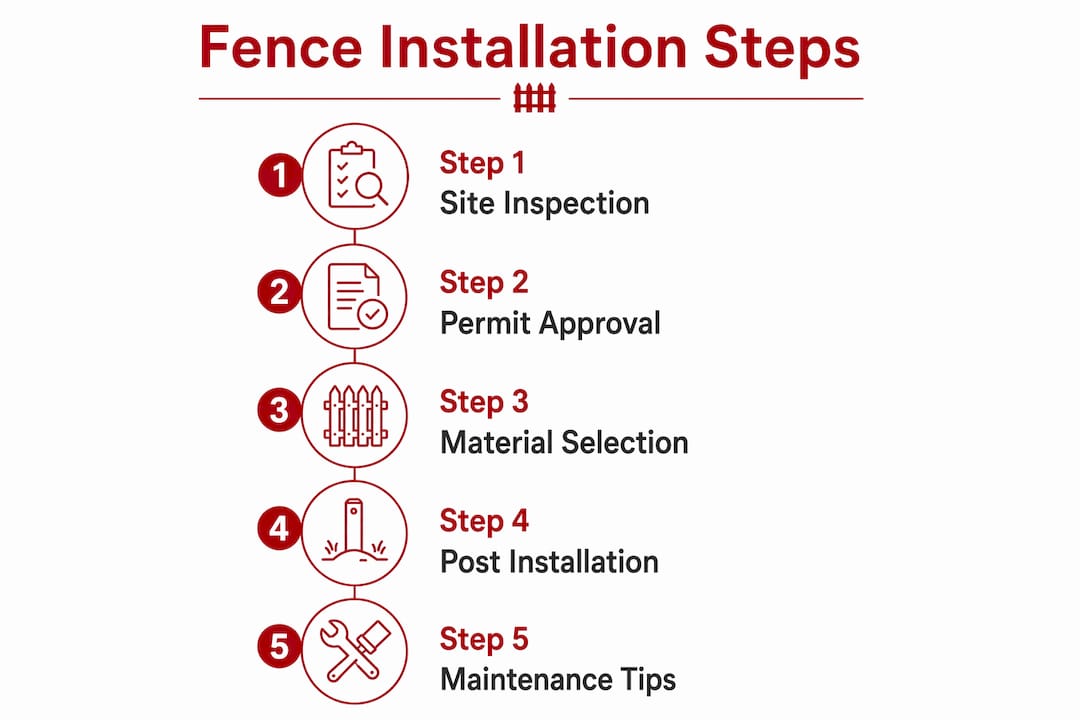
A professional fence installation in Northwest Arkansas follows a clear sequence. Knowing each step prevents surprises and keeps your project on schedule.
- Free estimate and site assessment. Most reputable local contractors offer a no-cost site visit. They measure your property, note terrain challenges like slopes and tree roots, and discuss material options. Local contractors follow a structured process and often handle permit coordination as part of their service.
- Permit application. Your contractor submits the required permit to the relevant city department, whether that is Fayetteville, Springdale, Rogers, or Bentonville. This step protects you from forced removal later.
- Material ordering and scheduling. Once the permit clears, materials are ordered and an installation date is set. Lead times vary by material and season, with spring and summer being the busiest period.
- Installation day. Post holes are dug to the correct depth for Arkansas soil conditions. Concrete footings are poured and allowed to cure before panels or rails are attached. Proper concrete footing depth adjusted for local soil and climate conditions directly improves fence longevity.
- Inspection and walkthrough. The contractor schedules any required city inspection and walks you through the finished project. You confirm the fence meets your expectations before the job closes.
Many Arkansas fencing companies offer no-deposit options on standard residential projects, which eases cash flow for homeowners who are managing multiple property upgrades at once. Clear contractor communication throughout scheduling and inspections reduces the burden on you and keeps the project moving without constant follow-up.
Pro Tip: Ask your contractor to confirm the permit status in writing before installation begins. A fence built without a valid permit can be ordered removed at your expense, regardless of quality.
What local regulations affect fencing in Northwest Arkansas?
Municipal codes in Northwest Arkansas vary significantly by city and even by neighborhood. Local ordinances require verification before any post goes in the ground, because non-compliance carries real consequences of forced removal at the property owner’s cost.
The most common regulatory factors are fence height limits, setback requirements, and material restrictions. Fayetteville typically limits residential fences to 6 feet in rear yards and 4 feet in front yards, though exact rules depend on zoning classification. HOA communities add another layer of restrictions on color, style, and material.
| City / Area | Max rear yard height | Max front yard height | Permit required |
|---|---|---|---|
| Fayetteville | 6 ft | 4 ft | Yes, most cases |
| Springdale | 6 ft | 4 ft | Yes |
| Rogers | 6 ft | 3–4 ft | Yes |
| Bentonville | 6 ft | 4 ft | Yes |
| HOA communities | Varies by HOA | Varies by HOA | HOA approval + city |
Note: These figures represent common local standards. Always verify current codes with your city’s planning or zoning department before installation.
Setback rules determine how far your fence must sit from the property line, sidewalk, or street. Getting this wrong by even a foot can trigger a neighbor complaint or city inspection. The safest approach is to have your contractor pull the permit and confirm setbacks with the city directly. Fence installation must confirm local permit and zoning requirements before work begins, and a licensed contractor handles that process as standard practice.
How to select a fencing contractor and maintain your fence in Northwest Arkansas
The right contractor makes the difference between a fence that lasts 20 years and one that warps, leans, or fails a city inspection. Locally owned fencing companies in NWA differentiate themselves through community focus and transparent pricing, which means fewer hidden fees and more accountability.
When evaluating contractors, ask these questions directly:
- Are you licensed and insured in Arkansas?
- Do you handle permit applications, or does that fall on me?
- What post depth and concrete mix do you use for NWA soil conditions?
- Do you offer a warranty on materials and labor?
- Can you provide references from projects in my city or neighborhood?
Arkansas-ready fence installation accounts for high humidity, clay-heavy soils, and freeze-thaw cycles that cause posts to heave if set too shallow. A contractor who does not adjust for these conditions will deliver a fence that looks fine in October and leans by march.
Maintenance is where most homeowners fall short. Wood fences need cleaning and fence staining every two to three years to resist moisture damage. Iron fences need rust-inhibiting paint touched up wherever the coating chips. Vinyl and chain link need periodic washing to prevent mold and algae buildup, especially in shaded areas. Routine fence cleaning extends the life of any fence material and protects your property value over time.
- Inspect posts and panels every spring after freeze-thaw season
- Re-stain or reseal wood fences before summer humidity peaks
- Check chain link tension and gate hardware annually
- Treat iron for rust spots before they spread
- Clear vegetation away from fence bases to prevent moisture retention
Key takeaways
Fencing in Northwest Arkansas requires matching the right material to your property’s needs, pulling the correct permits before installation, and maintaining your fence against the region’s humidity and freeze-thaw cycles.
| Point | Details |
|---|---|
| Material selection matters | Match wood, vinyl, iron, or chain link to your privacy, security, and budget priorities. |
| Permits are non-negotiable | Every city in NWA requires permits; skipping this step risks forced removal at your cost. |
| Soil and climate drive installation | Proper post depth and concrete footings prevent heaving and leaning in Arkansas conditions. |
| Maintenance protects your investment | Annual inspections and regular cleaning or staining extend fence life by years. |
| Hire locally licensed contractors | Local contractors know NWA terrain, codes, and permit processes better than out-of-state crews. |
What I’ve learned after years of watching NWA fencing projects go wrong
The most common mistake I see homeowners make is treating the fence as an afterthought. They finalize landscaping, finish the driveway, and then call a contractor expecting a fence to go up in a week. By that point, permit timelines and contractor schedules have already pushed the project into the next season.
The second mistake is skipping the zoning check. I have seen beautiful, well-built fences get flagged by city inspectors because the homeowner assumed their neighborhood followed standard Fayetteville rules. HOA overlays and historic district codes change everything. Fencing experts recommend approaching installation with awareness of terrain and zoning constraints from the very first conversation with a contractor, not after the posts are set.
The third mistake is choosing material based on upfront cost alone. Chain link is cheap to install. It is also the first thing a prospective buyer notices when they pull up to a home. For rental properties, that calculation flips. Durability and low maintenance matter more than aesthetics when tenants cycle through every year. Rental properties near the University of Arkansas benefit most from vinyl or treated wood because those materials hold up through multiple tenancies without significant repair costs.
My honest advice: treat your fence like a structural decision, not a decorative one. Get the permit, hire someone who knows NWA soil, and budget for maintenance from day one.
— mark
Modernfence can help you get it right the first time
Modernfence brings over 70 years of fencing experience to homeowners and property managers across Arkansas. The team handles wood, iron, vinyl, and chain link installations with licensed professionals who understand local permit requirements and regional climate conditions.
Getting a fence installed correctly from the start saves you the cost of repairs, permit violations, and premature replacement. Modernfence offers free estimates and manages the full process from site assessment through final inspection. Read the complete fence installation guide for a detailed breakdown of what to expect at every stage, or visit Modernfence to request your estimate and talk through your property’s specific needs.
FAQ
What fence types work best in Northwest Arkansas?
Wood, vinyl, ornamental iron, and chain link are the most common choices in NWA. Vinyl and chain link perform best in high-humidity conditions with minimal maintenance, while wood offers the most privacy when properly sealed.
Do I need a permit to install a fence in Fayetteville, Arkansas?
Yes. Fayetteville requires permits for most residential fence installations, and height limits typically cap at 6 feet in rear yards and 4 feet in front yards. Always verify current rules with the city’s planning department before work begins.
How much does fence installation cost in Northwest Arkansas?
Costs vary by material, fence length, and terrain. Chain link is the most affordable option, while ornamental iron sits at the higher end. Most local contractors offer free estimates, so getting two or three quotes is the standard approach.
How do I maintain a wood fence in Arkansas’s climate?
Clean and reseal or stain your wood fence every two to three years to prevent rot and warping caused by Arkansas humidity. Inspect posts each spring after freeze-thaw season and clear vegetation from the fence base to reduce moisture contact.
What should I ask a fencing contractor before hiring them?
Ask whether they are licensed and insured in Arkansas, whether they handle permit applications, and what post depth they use for local soil conditions. A contractor who cannot answer those questions clearly is not ready for NWA terrain.