
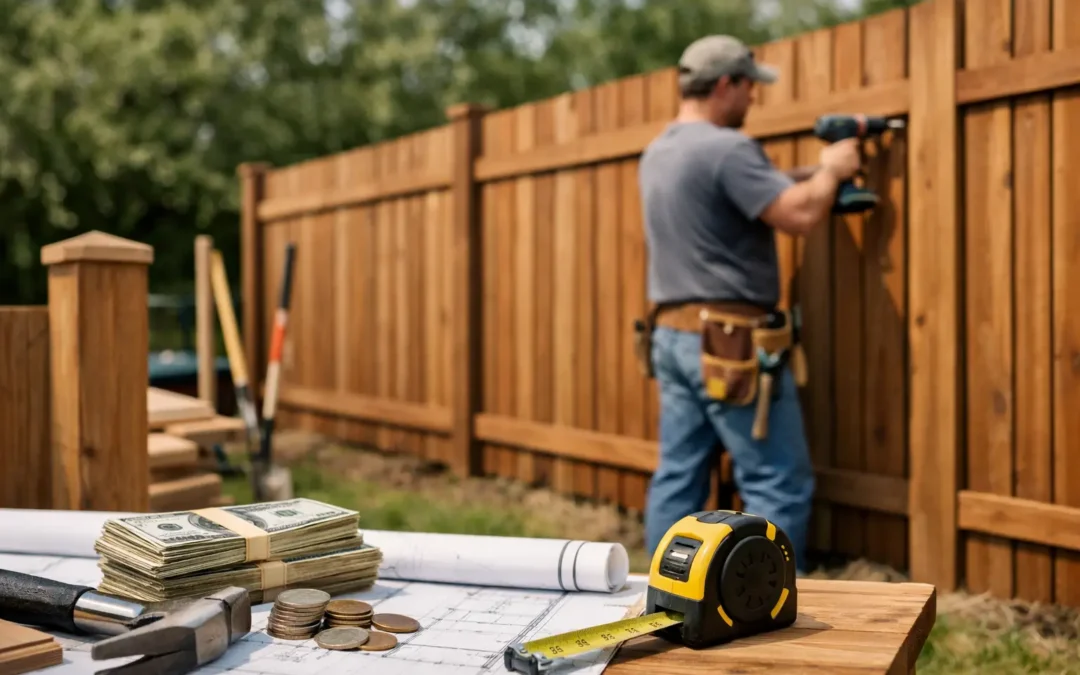
A privacy fence can change how a property feels almost overnight. It creates a quieter backyard, adds a layer of security, and gives kids, pets, and guests a more comfortable space to enjoy. But before any posts go in the ground, most property owners want a straight answer on privacy fence installation cost.
The honest answer is that cost depends on several real-world factors, not just the number of feet around your yard. Material choice matters. Height matters. So do gates, terrain, access, and whether your installer has to work around roots, utilities, or existing structures. If you are planning a fence in Fort Smith, Western Arkansas, or Eastern Oklahoma, local conditions can affect pricing just as much as the style you choose.
What affects privacy fence installation cost?
The biggest cost driver is usually material. Wood remains a popular choice because it offers a classic look and strong privacy at a reasonable price point. Vinyl typically costs more upfront, but many owners prefer it for its clean appearance and lower maintenance over time. If the goal is full privacy, chain link usually is not the first fit unless privacy slats are added, and ornamental metal fencing is better suited to security and visibility than complete screening.
Height is another major factor. A 6-foot privacy fence is common for residential properties, but some owners want 8 feet for more separation or a commercial application. Taller fences use more material, require stronger support, and may involve additional permitting or code review depending on the property.
Linear footage sounds obvious, but it is only part of the story. A simple, straight run is faster and more economical than a fence line with multiple corners, tight sections, or several transitions around landscaping and structures. Every change in direction adds labor and hardware, and custom fitting can push costs higher.
Gates also have a noticeable effect on price. A single walk gate is one thing. A wide double drive gate, heavier framing, upgraded hinges, or added access control is another. If you need convenience for equipment, lawn access, or commercial traffic, that gate design should be part of the estimate from the start.
Privacy fence installation cost by material
When people compare options, they are usually balancing upfront price against appearance, maintenance, and life expectancy.
Wood privacy fences
Wood often gives the best balance of privacy, curb appeal, and initial affordability. It works well with many homes and can be customized with board styles, top trims, and stain finishes. That said, wood requires maintenance. Arkansas and Oklahoma weather can be hard on untreated or poorly installed wood, especially with moisture, heat, and seasonal movement in the ground.
A lower initial price can look attractive, but wood quality, post setting, and installation methods make a real difference in how long the fence holds up. If budget matters most, wood is often the first place homeowners look. If long-term upkeep matters more, they may keep comparing.
Vinyl privacy fences
Vinyl usually comes with a higher upfront investment, but it appeals to owners who want a crisp, uniform appearance with less ongoing maintenance. It does not need staining, and it resists many of the issues that come with aging wood. For some properties, that lower maintenance burden makes the higher purchase price easier to justify.
The trade-off is that vinyl can cost more to install, and not all vinyl products perform the same way. Thickness, internal reinforcement, and overall product quality matter. In areas with wind exposure or uneven terrain, good installation is especially important.
Site conditions that raise or lower the price
This is where online averages often fall apart. Two backyards with the same footage can have very different installation costs.
A flat, open lot with easy equipment access is usually more straightforward. A sloped yard takes more planning and labor. Depending on the look you want, the fence may need to be stepped or racked to follow the grade. Rocky soil, heavy clay, tree roots, drainage concerns, and buried obstacles can all add time to the job.
Removal of an old fence is another variable people sometimes miss. If an existing fence has to be taken down and hauled away, that adds labor and disposal cost. The same goes for clearing brush or creating access in tight side yards.
Property lines matter, too. If a survey is needed, or if there is any uncertainty about boundary placement, it is far better to resolve that before installation starts. Moving a fence after the fact costs much more than planning it correctly on the front end.
Labor, permits, and local requirements
Labor is a meaningful part of privacy fence installation cost because a fence is only as dependable as the installation behind it. Post depth, spacing, alignment, and gate construction all affect performance. A fence that looks fine on day one can develop lean, sag, or premature wear if it is not installed with precision.
Permits and regulations can also affect the final number. Some municipalities or neighborhoods have rules for fence height, location, style, and setbacks. Corner lots, pool areas, and commercial properties may have additional requirements. If your project involves special access needs, security considerations, or a more complex perimeter, the planning process may be more involved than a standard backyard fence.
That is one reason many owners prefer working with an experienced local contractor. Familiarity with regional conditions, practical installation challenges, and area expectations helps avoid preventable delays and surprises.
How to budget for a privacy fence installation cost
The best starting point is to think beyond price per foot. That number can be useful, but by itself it does not tell you enough.
Start with your main priority. If you want the most economical path to backyard privacy, a standard wood fence may make the most sense. If you want a lower-maintenance product with a more uniform appearance, vinyl may be worth the extra investment. If your project needs custom gates, staining, or added security features, those should be discussed early rather than treated as afterthoughts.
It also helps to decide where flexibility exists. Some owners lower costs by reducing total footage, adjusting fence height in noncritical areas, or choosing a simpler gate configuration. Others decide that stronger materials or upgraded craftsmanship are worth the higher upfront cost because they plan to stay on the property for years.
A detailed estimate should account for materials, layout, labor, gate count, removal if needed, and any conditions that may affect installation. Clear scope matters. It protects you from comparing one quote that includes everything against another that leaves out important parts of the project.
Cheap fence now or better value later?
This is where cost and value separate.
The lowest quote is not always the lowest long-term expense. A fence built with lighter materials, weak posts, or rushed installation may cost less today but need repairs sooner. Gates are often the first place shortcuts show up. If they are not framed and supported properly, they can sag and become difficult to use.
For homeowners, a well-built privacy fence supports daily comfort, appearance, and resale appeal. For commercial properties and managed sites, reliability matters even more. A perimeter feature that fails early creates disruption, safety concerns, and additional expense.
A stronger installation may carry a higher initial number, but it often pays back through durability, fewer service issues, and better performance over time.
When an estimate is the only accurate answer
General pricing information can help you plan, but no article can tell you exactly what your property will cost without seeing the site. Privacy fence installation cost depends on the fence style, the layout, the ground conditions, and the details that only show up during a real estimate.
That is especially true when a property has slopes, older fencing to remove, multiple gates, or commercial access needs. In those cases, an on-site review is not just helpful. It is the only way to build an estimate that reflects the actual work.
For property owners in this region, working with a contractor that understands local terrain, weather, and installation standards can make the process much smoother. Modern Fence Company has served the area for decades, and that kind of experience matters when a project needs to be done right the first time.
If you are budgeting for a new fence, the smart move is not to chase a generic online number. It is to get a clear, site-specific estimate and weigh the result against the privacy, security, appearance, and long-term value you want from the finished project.