
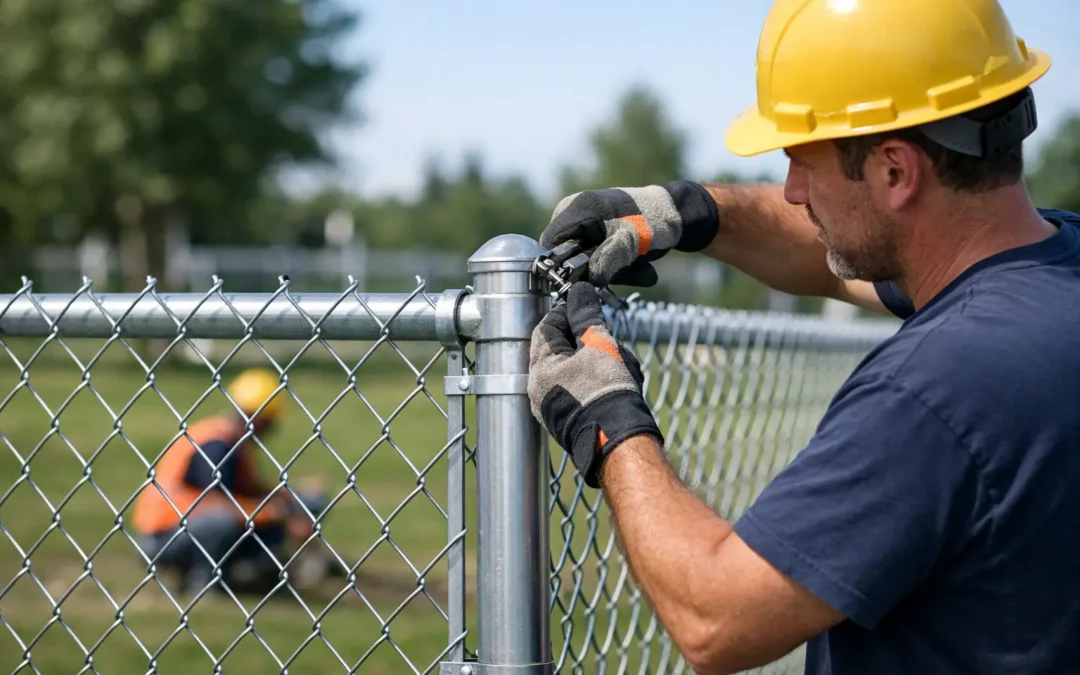
A chain link fence usually looks simple from the street. What most property owners do not see is how much the final result depends on layout, post depth, gate alignment, and the way the fence handles the land it sits on. That is why chain link fence installation is not just about putting up wire. It is about building a boundary that stays straight, secure, and dependable for years.
For homeowners, that often means keeping children and pets safe without blocking visibility. For commercial properties, it can mean defining access points, protecting equipment, and creating a perimeter that holds up under daily use. In both cases, the best outcome comes from matching the fence design to the property, the purpose, and the conditions on site.
Why chain link fence installation remains a smart choice
Chain link continues to be one of the most practical fencing options available because it solves several problems at once. It creates a clear property line, improves security, and requires less maintenance than many other materials. It is also versatile. A chain link fence can work in a backyard, around a warehouse, along a school perimeter, or on a job site that needs temporary control.
Cost is part of the appeal, but it is not the whole story. Property owners often choose chain link because it is durable and predictable. It does not warp like wood, and it can handle weather swings well when the right materials are used. Galvanized and coated options give owners flexibility based on budget, appearance, and exposure to the elements.
There are trade-offs, of course. If complete privacy is the goal, chain link alone may not be the best fit unless privacy slats or screening are added. If appearance is a top priority, black vinyl-coated chain link often delivers a cleaner, more finished look than standard galvanized fabric. The right choice depends on whether the fence is meant to prioritize visibility, containment, appearance, or all three.
What affects the quality of chain link fence installation
The strength of a fence starts long before the fabric is stretched. Layout is where good installation begins. A fence line needs to be measured carefully, corners have to be planned correctly, and gates must be placed where traffic actually makes sense. A fence that looks good on paper can become frustrating in daily use if a gate swings into the wrong area or access is too narrow for equipment.
Post installation is another major factor. Terminal posts, line posts, and gate posts each carry different loads. If the posts are not spaced correctly or set deep enough, the fence can lean, sag, or shift over time. This is especially true in areas with uneven terrain, drainage issues, or heavy gate use.
Tension matters too. Chain link fabric has to be stretched properly to avoid waves, slack spots, or early wear. The top rail, tension bands, and ties all work together. When one part is off, the entire fence can look unfinished or perform poorly. Good workmanship shows in the details, even on a material known for utility more than decoration.
Residential chain link fences: practical, secure, and clean-looking
For many homeowners, chain link hits the right balance between cost and function. It keeps yards defined, gives pets room to move safely, and preserves sightlines across the property. That can be especially helpful when families want a secure yard without closing off the space completely.
Height and finish make a difference in how the fence feels. A four-foot fence may be enough for a front or side yard boundary, while a six-foot fence offers more control in backyards with dogs or active use. Black-coated chain link tends to blend into the landscape better and gives the property a more polished appearance.
Terrain is often where residential projects become more complicated than expected. Slopes, tree roots, landscaping beds, and existing structures all affect how the fence should be built. In some yards, the fence can follow the grade. In others, it may need to be stepped in sections. The better approach depends on the slope, the look the owner wants, and whether there are gaps that could create safety issues for pets.
Commercial chain link fence installation requires a different approach
Commercial projects usually put more demands on the fence. Security expectations are higher, access control is more important, and the fence often needs to work alongside gates, operators, or specialty features. A fence around a business yard, industrial facility, apartment complex, or public site has to do more than mark a line. It has to support operations.
That changes the planning process. Gate width needs to account for vehicles, deliveries, and equipment. Fence height may need to meet internal standards or site-specific requirements. Some properties benefit from barbed wire extensions, privacy screening, or controlled entry systems. Others need a clean perimeter that balances security with professional appearance.
Commercial clients also tend to care about long-term maintenance and service life. A lower upfront price does not always mean better value if the fence is not designed for the way the site is used. Heavy-duty posts, stronger gate frames, and well-planned access points can save money and frustration over time.
Site conditions can change the job
No two properties install exactly the same way. Soil conditions, grade changes, underground utilities, drainage paths, and local code requirements all affect the project. Rocky ground can slow post setting. Soft or shifting soil may call for extra attention to footing stability. Drainage swales and elevation changes can influence both fence alignment and gap control.
Utilities are another critical piece. Before any post holes are dug, underground lines need to be identified. That is not just a box to check. It is part of protecting the property and keeping the installation moving without unnecessary risk or delay.
Permits and property lines can also affect timing. In some cases, the main challenge is straightforward construction. In others, the biggest issue is confirming setbacks, easements, or boundary locations before work begins. An experienced contractor knows the difference and helps prevent expensive mistakes before materials ever arrive on site.
Choosing the right materials for your fence
Not all chain link systems are equal. Wire gauge, mesh size, post thickness, and coating type all influence performance. A light residential enclosure may not need the same framework as a commercial perimeter with frequent gate use. Likewise, a property exposed to heavier wear may benefit from upgraded materials that hold tension better over time.
Finish is often a practical decision as much as a visual one. Galvanized chain link is common because it is dependable and cost-effective. Vinyl-coated chain link adds a more finished look and can soften the industrial feel many people associate with this type of fencing. Black is especially popular because it recedes visually and works well in both residential and commercial settings.
Gates deserve careful attention. They are the most used part of the fence and often the first part to show problems if the installation is rushed. A properly installed gate should swing or slide smoothly, latch securely, and stay aligned with regular use. If a gate is undersized, oversized, or poorly supported, the whole fence system suffers.
Why professional chain link fence installation pays off
A chain link fence may be one of the more straightforward fence types, but straightforward does not mean forgiving. Small errors in measuring, post placement, or gate setup can lead to visible issues and expensive corrections. The fence might still stand, but it will not perform the way it should.
Professional installation brings consistency. It means the layout fits the property, the posts are set with purpose, and the finished fence looks intentional rather than improvised. It also means the project is approached with local conditions in mind, from terrain challenges to practical security needs.
For property owners in Fort Smith, Western Arkansas, and Eastern Oklahoma, that local experience matters. A contractor who understands the region can anticipate the issues that affect durability and appearance instead of reacting to them halfway through the job. That is part of how companies like Modern Fence Company have earned trust over generations – not by making fencing sound complicated, but by doing the work correctly from the start.
If you are considering chain link fence installation, the best first step is not choosing a color or height. It is getting clear on what the fence needs to accomplish on your property. Once that is defined, the right design tends to follow, and a good fence starts to look less like an expense and more like a long-term solution.