A fence should protect your property without becoming another weekend project. For homeowners, property managers, and businesses, the top low maintenance fence materials are the ones that hold up to rain, humidity, sun, and daily use while requiring little more than occasional cleaning and inspection. The right choice depends on whether privacy, security, curb appeal, budget, or visibility matters most.
In Western Arkansas and Eastern Oklahoma, weather is part of the decision. Heavy rain, summer heat, moisture, wind, and changing temperatures can shorten the life of a poorly selected or poorly installed fence. A material that looks good on day one is not necessarily the one that will be easiest to own five or ten years later.
What Low Maintenance Really Means for Fencing
No fence is completely maintenance-free. Gates need adjustment, posts should be checked, and debris should be cleared away before it traps moisture against the fence line. Low maintenance means the fence material does not routinely need painting, staining, sealing, or frequent repairs to keep performing well.
It also means looking beyond the fence panels. Fasteners, hinges, gate frames, post depth, drainage, and installation quality all affect the amount of attention a fence will need. A quality material installed without proper support can still sag, shift, or develop gate problems over time.
For most properties, vinyl, aluminum, coated chain link, and certain treated wood options offer the best balance of durability and manageable upkeep. Each serves a different purpose.
Top Low Maintenance Fence Materials for Local Properties
Vinyl Fence: Strong Privacy With Simple Care
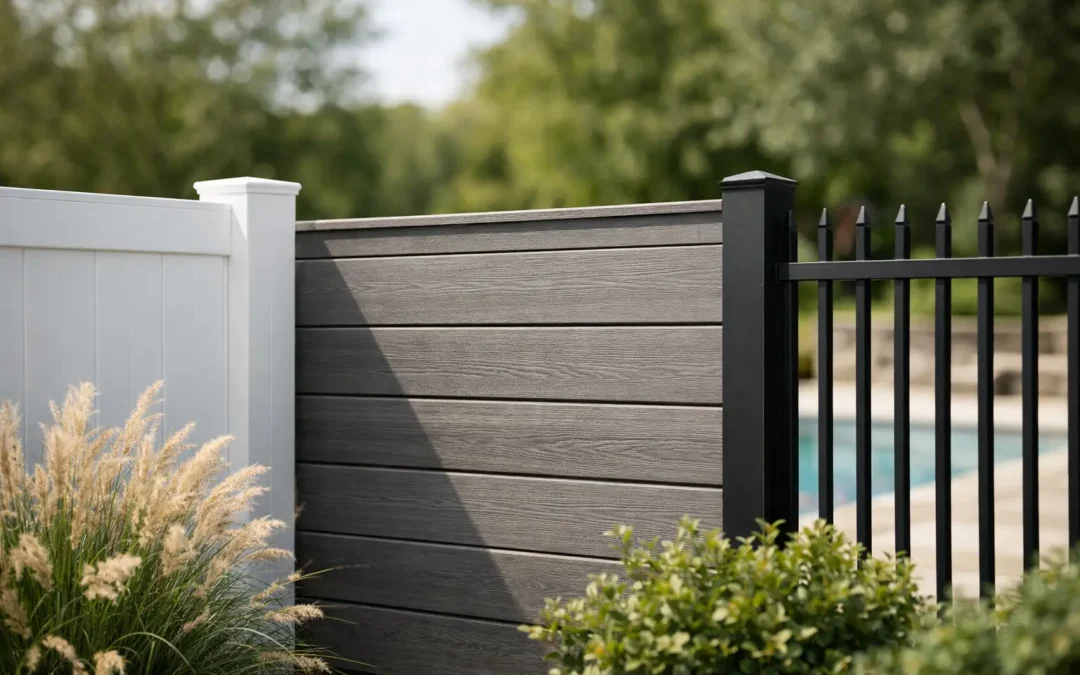
Vinyl is one of the most popular choices for homeowners who want privacy and a finished appearance without the recurring work of painting or staining. It does not rot, splinter, or attract insects the way wood can. A basic rinse with a garden hose and occasional mild soap cleaning are typically enough to keep it looking presentable.
Vinyl works especially well around backyards, pools, patios, and residential property lines where solid privacy is the priority. It is available in several styles, from traditional white privacy panels to decorative picket and ranch-rail designs.
The trade-off is that vinyl can cost more upfront than basic wood or chain link, and lower-quality products may become brittle or discolor over time. It is also not the best option where a fence needs to withstand heavy impact. A properly installed vinyl system with well-supported posts is essential, particularly on sloped ground or in areas exposed to strong winds.
Aluminum Fence: Refined Appearance, Minimal Upkeep
Aluminum fencing offers an open, elegant look with very little routine care. It will not rust like untreated steel, and its factory finish generally eliminates the need for repainting. For many homeowners, aluminum is an excellent fit around pools, landscaped yards, front entrances, and areas where visibility matters.
It is also practical for commercial properties that need a professional-looking perimeter without blocking views. Aluminum panels can follow changes in terrain more easily than many rigid fence styles, which helps on rolling lots.
Aluminum is not designed to provide full privacy, and it is lighter than steel or iron. For a high-security industrial site or an area likely to experience hard impacts, another material may be better suited. But for a durable decorative boundary with dependable gate access, aluminum is one of the easiest fence materials to maintain.
Vinyl-Coated Chain Link: Practical Security That Lasts
Chain link remains one of the most useful options for large yards, commercial lots, sports areas, dog runs, equipment storage, and construction-related applications. Galvanized chain link resists corrosion, while vinyl-coated chain link adds another protective layer and gives the fence a cleaner black, green, or brown appearance.
Maintenance is limited to checking tension, inspecting gates and hardware, and watching for damage after storms or impacts. It does not need staining, and it allows air and light to pass through. For businesses and property managers, it can be a cost-effective way to secure a large perimeter without the price of solid privacy fencing.
The obvious trade-off is visibility. Chain link does not create the same private, finished backdrop as vinyl or wood. Privacy slats can be added in some situations, but they increase wind load and may need occasional replacement. When security and budget matter more than complete privacy, coated chain link is difficult to beat.
Pressure-Treated Wood: A Familiar Option With Planned Care
Wood is not the lowest-maintenance material on the market, but pressure-treated pine can be a sensible choice when a natural appearance and upfront value are priorities. It remains popular for residential privacy fences because it can be customized in height, style, and layout to suit the property.
The key is being honest about its upkeep. Wood benefits from periodic cleaning and staining or sealing to limit moisture absorption, sun fading, warping, and surface wear. In humid conditions, keeping vegetation trimmed away from the fence and allowing the boards to dry after rain can make a meaningful difference.
For owners willing to schedule maintenance every few years, a well-built treated wood fence can provide dependable service and a warm appearance that manufactured materials cannot fully duplicate. If the goal is to avoid staining altogether, vinyl or aluminum is usually the better long-term fit.
Ornamental Iron and Steel: Built for Presence and Protection
Ornamental iron or steel fencing creates a strong visual statement and is often selected for entryways, commercial properties, estate-style homes, and areas where security is a major concern. Modern powder-coated systems can offer good resistance to weathering and require relatively little maintenance when compared with painted metal fencing of the past.
Routine care includes washing away dirt, checking for scratches or chips in the coating, and touching up exposed areas before corrosion can begin. Gates also deserve regular attention because their weight places more demand on hinges, latches, and operators.
Iron and steel usually involve a higher initial investment, but they provide strength, visibility, and architectural character. Custom metal fabrication can also make them a practical choice when a standard panel will not fit a unique entrance, grade change, or security requirement.
Choosing Based on the Job, Not Just the Material
The best fence is rarely chosen by maintenance alone. A backyard with close neighbors may need vinyl privacy panels. A pool enclosure may benefit from aluminum because it offers visibility and a clean profile. A warehouse, storage yard, or commercial site may need chain link combined with controlled access. A home with a traditional exterior may be worth the occasional staining required for wood.
Before choosing a material, consider how the fence will be used every day. Ask whether you need to contain pets, secure equipment, block a view, define a property line, or control vehicle access. Also consider gates early in the process. A fence can be low maintenance, but a poorly planned gate location or undersized gate frame can create ongoing frustration.
Terrain and drainage deserve the same attention. Low spots that stay wet can accelerate wear on wood posts and hardware. Steep grades may limit certain panel styles or require stepped construction. Local utility locations, easements, and property boundaries should be verified before installation begins.
Installation Quality Protects Your Investment
Even the best low-maintenance fence material needs a solid foundation. Posts must be set correctly, panels need consistent alignment, and gates need enough structural support to operate smoothly over time. Shortcuts in these areas can lead to leaning, sagging, loose hardware, and premature repairs.
That is why experienced installation matters as much as material selection. Modern Fence Company has served area property owners since 1950, helping homeowners and commercial clients match fence designs to their security needs, property conditions, and expected level of upkeep.
A fence should fit the way you use your property, not ask you to reorganize your weekends around it. Choose a material that meets your privacy or security goals, then invest in skilled installation that gives it the best chance to perform for years.