
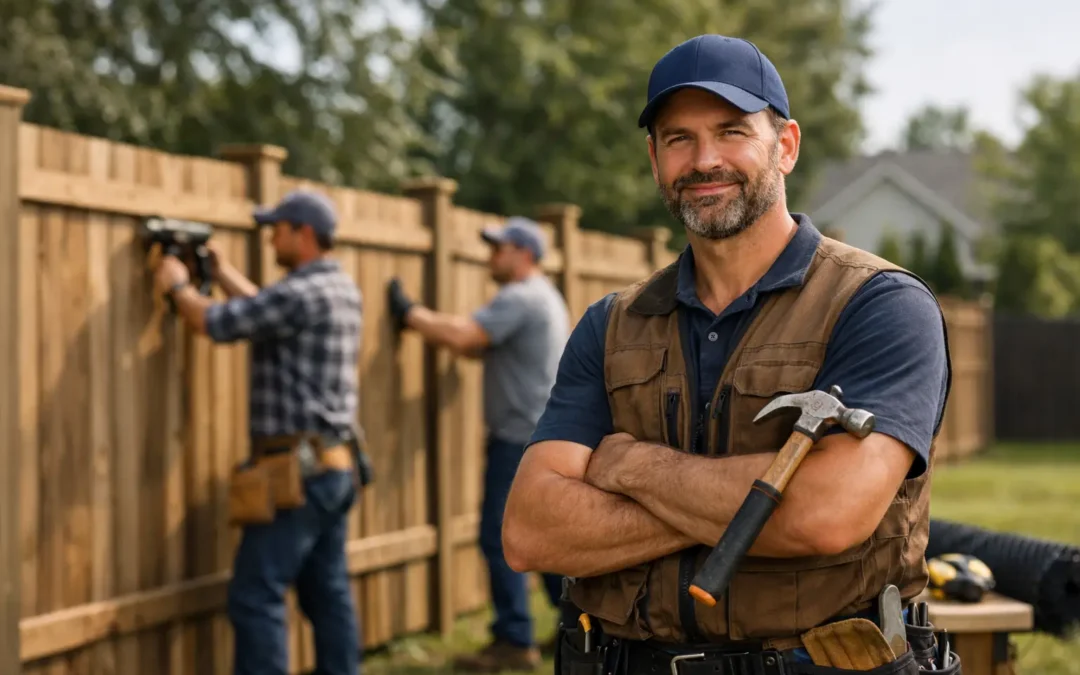
A fence project usually looks simple from the street. Then the stakes go in, the grade changes, a gate opening needs to line up, and suddenly the difference between a decent result and a lasting one comes down to the fence man you hire.
That choice matters more than most property owners expect. A fence is not just a border. It affects security, privacy, curb appeal, traffic flow, maintenance, and how well your property functions over time. Whether you are planning a backyard privacy fence, a commercial perimeter, or a controlled access point, the contractor behind the work has a direct impact on how the finished project performs.
What the fence man should really bring to the project
A reliable fence contractor brings more than labor and materials. The job starts with planning. Property lines, terrain, drainage, utility locations, gate swing, post depth, and local requirements all have to be considered before installation begins.
That is where experience shows. The fence man who has handled a wide range of residential and commercial projects can spot problems early, recommend practical solutions, and keep the work moving without cutting corners. On paper, many companies may offer similar materials. In practice, the quality of layout, post setting, hardware selection, and finish work can vary quite a bit.
For homeowners, that often means the difference between a fence that still looks straight and solid years later and one that starts leaning, warping, or dragging at the gate. For commercial properties, poor planning can create larger issues, from weak perimeter security to access problems that disrupt daily operations.
Not every fence project needs the same approach
One of the biggest mistakes property owners make is assuming all fence projects follow the same formula. They do not.
A wood privacy fence for a family home has different priorities than a chain link fence around a warehouse yard. An ornamental iron fence at the front of a property has to balance security with appearance. A vinyl fence may appeal to owners who want a clean look and lower upkeep, but it still needs proper installation to hold up well. Temporary rental fencing for a jobsite has its own demands entirely, especially when timing and site access matter.
The right contractor should be able to walk through those differences clearly. If every recommendation sounds the same regardless of your property type, that is usually a sign you are getting a standard sales pitch rather than a solution.
Residential priorities
For most homeowners, the main concerns are privacy, safety, appearance, and durability. Pets, children, pool areas, shared property lines, and neighborhood style all factor into the final design. A good contractor listens first, then matches the fence type to the way the space is actually used.
Commercial priorities
Business owners and property managers usually need a stronger focus on perimeter control, liability, traffic patterns, and long-term performance. In some cases, that also includes access control systems, custom gates, or specialty metal fabrication. These are not details to sort out halfway through the project. They need to be part of the plan from the start.
How to judge workmanship before the job starts
You do not need to be a fencing expert to recognize whether a contractor is likely to do quality work. What you need is a sense of how they approach the project.
A dependable fence man should be able to explain material options in plain terms, not just push the most expensive choice. He should talk honestly about trade-offs. Wood offers warmth and privacy, but it will need maintenance. Chain link is practical and cost-effective, though it is not always the first choice for appearance. Iron delivers strength and visual impact, but the finish and fabrication quality matter. Vinyl is low-maintenance, but it is not ideal for every site or every budget.
The estimate process also tells you a lot. Clear measurements, thoughtful questions, and realistic timelines usually reflect a company that knows what it is doing. Vague answers, rushed quoting, or promises that sound too easy often lead to problems later.
Another sign of professionalism is whether the contractor is licensed and insured and whether they are prepared for site conditions that can affect the schedule or installation method. Rocky ground, slopes, drainage issues, and utility coordination are common realities in this region. They should not come as a surprise to an experienced crew.
Why local experience still matters
There is real value in hiring a contractor with deep roots in the area. Soil conditions, weather exposure, neighborhood expectations, and commercial site demands are not identical from one market to another. A company that has worked across Western Arkansas and Eastern Oklahoma has likely seen the kinds of installation challenges local property owners deal with every day.
That matters when the terrain is uneven, when a gate needs to function reliably through heavy use, or when material selection has to balance looks with long-term performance. It also matters when timelines count. A local team with an established reputation tends to understand that every project reflects on its name in the community.
That kind of accountability cannot be manufactured overnight. It is built over years of consistent work, one property at a time.
The fence man and the long-term cost of the project
Price matters, and most customers are right to compare estimates. Still, the lowest initial number is not always the lowest cost over the life of the fence.
If posts are set poorly, if hardware is undersized, or if the layout ignores drainage and grade, repairs can start sooner than expected. Gates sag. Panels shift. Staining or cleaning becomes harder because the original work was rushed. In commercial settings, a bad install can also create security gaps or operational headaches that cost far more than the money saved up front.
A better question is whether the proposal reflects long-term value. Good materials installed with care usually pay off in fewer repairs, better appearance, and a fence that does its job without constant attention.
That is especially true when the contractor can support more than the initial build. Maintenance services, cleaning, staining, rental fencing, and custom fabrication all become easier when you already have a relationship with a company that knows your property and stands behind its work.
When a full-service contractor makes more sense
Some projects start as a basic fence install and quickly become more involved. A homeowner may decide they also want a custom gate. A commercial site may need controlled entry. A contractor managing a build may need temporary fencing first, then permanent perimeter work later.
In those cases, working with a company that handles multiple fencing and security services can save time and reduce friction. You are not trying to coordinate separate vendors for installation, maintenance, access control, and metalwork. You are dealing with one team that can see the whole picture.
That broader capability is often where experienced contractors stand apart. Modern Fence Company, for example, has built its reputation not only on installation but on serving both residential and commercial clients with a wider range of perimeter solutions. For customers, that means fewer handoffs and a more practical path from estimate to finished job.
Questions worth asking before you hire
Before you move forward, ask how the contractor handles layout, grading issues, gate placement, and material recommendations for your specific property. Ask what kind of timeline is realistic, what preparation is needed before installation, and how they approach durability in high-use areas.
You should also ask who will actually perform the work and what support is available after installation. A fence is not a throwaway purchase. It is part of your property for years, and the contractor should treat it that way.
If the answers feel rushed or generic, keep looking. The right contractor should make you more confident as the conversation goes on, not less.
The best choice is not just a builder
When people search for the fence man, they are often looking for someone who can get the job done. Fair enough. But the best choice is not just a builder with tools and a crew. It is a contractor who understands how fencing affects security, appearance, daily use, and long-term value.
That is why experience, workmanship, and service still matter. A well-built fence should feel like a smart investment from the day it goes in, and it should keep proving that decision right long after the installation crew leaves.