
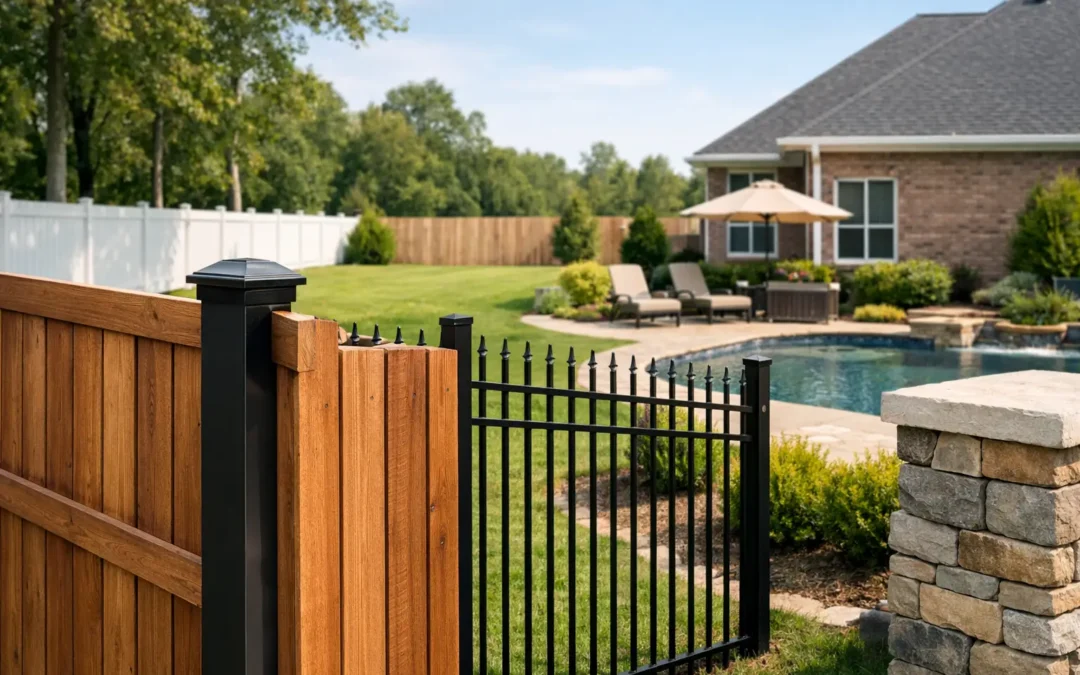
A fence project usually looks simple from the street. Then the real questions show up. How much privacy do you actually want? Will the ground cooperate? Do you need a clean residential look, stronger perimeter security, or both? When people start researching fencing Fort Smith properties, those details matter more than the basic idea of putting up a boundary.
In this part of Arkansas, a fence has to do real work. It needs to stand up to weather, fit the property, and make sense for the way the space is used every day. For a homeowner, that may mean backyard privacy, pet containment, and better curb appeal. For a business, it may mean controlled access, equipment protection, or temporary security around an active site. The best results come from matching the fence to the property instead of forcing one standard option onto every job.
What makes fencing Fort Smith properties different
Local conditions shape fence performance more than many owners expect. Soil conditions, slope changes, drainage patterns, and utility locations can all affect installation. A flat suburban lot and a commercial property with traffic flow issues are not the same kind of project, even if both need a perimeter fence.
That is why experienced planning matters. A well-built fence starts with layout, line accuracy, post placement, and an honest understanding of what the site will allow. Sometimes a customer wants maximum privacy, but the terrain or gate layout calls for adjustments. Sometimes appearance is the top priority, but durability needs to carry equal weight. Good fence design is practical first, then attractive.
Fort Smith area properties also tend to need fences that balance function with long-term upkeep. A low-maintenance material may cost more upfront but save time and repair costs later. A less expensive option may be the right fit for a short-term budget, but only if the owner understands the trade-offs.
Choosing the right fence material
There is no single best fence material for every property. The right choice depends on your goals, your budget, and how much maintenance you want to take on.
Wood fencing
Wood remains a strong choice for homeowners who want privacy and a classic look. It works well for backyards, side boundaries, and spaces where appearance matters just as much as function. Wood can be customized in height, style, and finish, which makes it one of the most flexible options.
The trade-off is maintenance. Wood needs ongoing care if you want it to keep its appearance and resist weathering over time. Staining and cleaning are part of protecting that investment. For many owners, the look is worth it. For others, lower-maintenance materials may be the better long-term fit.
Chain link fencing
Chain link is often the most practical choice when visibility, security, and value are priorities. It is common for commercial sites, industrial properties, schools, utility areas, and residential backyards where containment matters more than visual screening.
It is not the most decorative option, but it is dependable and cost-effective. Privacy slats or screened sections can change the look somewhat, though that also changes airflow and overall appearance. If your main priority is secure enclosure without unnecessary cost, chain link usually deserves a serious look.
Iron fencing
Iron fencing brings a more finished, upscale appearance while still providing strength and visibility. It is a strong fit for entry areas, decorative front boundaries, pools, and commercial properties where presentation matters.
Iron does not create privacy on its own, so it works best when openness is acceptable or preferred. It also requires proper finishing and quality installation to hold up well over time. When done right, it adds both security and character to a property.
Vinyl fencing
Vinyl appeals to owners who want a clean look with less routine maintenance than wood. It is often selected for residential privacy fences, decorative yard enclosures, and properties where a consistent appearance is important.
The main consideration is impact resistance and style preference. Some people prefer the natural appearance of wood, while others value vinyl for its easier upkeep. In the right setting, vinyl offers a durable and polished result without the same level of ongoing maintenance.
Residential needs are not all the same
One of the biggest mistakes in fence planning is assuming every home needs the same thing. A family with pets may care most about secure enclosure and gate reliability. A corner-lot homeowner may be focused on privacy and appearance from multiple angles. Someone replacing an older fence may want the same footprint but a material that demands less upkeep.
Backyard privacy is a common goal, but privacy alone should not drive every decision. Gate placement, neighbor lines, drainage, and visibility around driveways all matter. A fence that looks good but makes daily access awkward can become frustrating fast.
For homeowners, the best fence usually solves several problems at once. It defines the property, improves security, supports the look of the home, and holds up under normal use without becoming a constant maintenance project.
Commercial fencing is about control as much as security
For commercial properties, fencing often has to do more than mark a line. It may need to direct traffic, secure equipment, limit unauthorized entry, and support a more organized site layout. That is especially true for warehouses, offices, retail lots, industrial yards, apartment communities, and contractor sites.
In those settings, gates and access control can be just as important as the fence itself. A perimeter only works if entry points are planned correctly. Too much restriction can disrupt operations. Too little control can create avoidable risk. The right solution depends on how the site functions day to day.
Temporary and rental fencing can also play an important role. Construction projects, events, and short-term site work often need fast security without a permanent installation. That kind of flexibility matters for contractors and property managers who need practical coverage on a schedule.
Why installation quality matters more than people think
A fence may look straight on day one and still fail early if the installation was rushed. Poor post setting, weak alignment, bad gate construction, and missed site conditions usually show up later. That can mean sagging, shifting, drainage trouble, or sections that wear out too soon.
This is where experience makes a visible difference. An established contractor knows how to account for slope, spacing, utility considerations, and traffic patterns before materials ever go in the ground. That reduces surprises during the project and helps the finished fence perform the way it should.
Licensed and insured work matters too. Property owners want confidence that the job will be handled professionally, with attention to safety, workmanship, and accountability. That is not just a selling point. It protects the customer from unnecessary headaches.
Looking beyond installation
A fence is not always a one-time need. Some properties benefit from ongoing care, especially wood fences that need cleaning or staining to preserve their appearance and service life. Others need repairs, added gates, or upgraded security features as the property changes.
That is why full-service capability has real value. If your needs expand from a standard fence to access control, custom metal fabrication, or maintenance, it helps to work with a company built to support more than the initial install. For many owners, convenience matters almost as much as craftsmanship.
Modern Fence Company has served this region since 1950, and that kind of history matters because fence work is local work. It depends on understanding the land, the weather, the materials, and the expectations of the people who live and do business here.
What to ask before you move forward
Before choosing a fence, start with the outcome you want six months and five years from now. Do you want privacy, security, appearance, lower maintenance, or a balance of all four? Are you fencing a backyard, a business perimeter, a construction site, or an entry point that needs controlled access?
Then ask practical questions. How will gates be used every day? What parts of the property create layout challenges? How much maintenance are you willing to handle? Is the lowest upfront price really the best value if repairs or replacement come sooner?
Those answers usually make the right direction much clearer. A good fence should fit your property, your schedule, and your long-term needs without creating more work than it solves.
If you are planning a fence in Fort Smith or the surrounding area, the smartest first step is not choosing a style from a photo gallery. It is getting clear advice from a contractor who can look at your property, understand how you use it, and recommend a solution that will still make sense years from now.