A fence that looks great on installation day but starts leaning, warping, or rusting a few years later is not a bargain. When homeowners and property managers ask what type of fence lasts longest, the practical answer is usually ornamental iron – provided it is properly fabricated, installed, and maintained.
A well-built iron fence can serve a property for 50 years or more. In some cases, it lasts for generations. But longevity is not only about the fence material. Post depth, drainage, coating quality, gate hardware, soil conditions, and routine care all affect how long a fence performs. The longest-lasting choice also needs to suit the job, whether that means securing a commercial perimeter, containing pets, adding privacy, or improving curb appeal.
What type of fence lasts longest in real conditions?
For most residential and commercial properties, ornamental iron is the longest-lasting fence material. Its strength is difficult to match, and it does not rot, crack, or become brittle the way wood and some synthetic materials can. A quality iron fence also holds its shape well over time, making it a strong option for gates, entryways, pool enclosures, and security-focused perimeters.
Iron does require protection from corrosion. In Western Arkansas and Eastern Oklahoma, changing temperatures, humidity, rain, and wet ground can all create conditions where exposed metal begins to rust. The difference between an iron fence that lasts decades and one that deteriorates early often comes down to preparation and workmanship. Proper coatings, secure post setting, sound welds, and prompt touch-ups at damaged areas matter.
If a property owner is willing to perform occasional maintenance, ornamental iron offers exceptional long-term value. It is also one of the few fence styles that can provide serious security without making a property feel closed off.
There is one important exception. A professionally built masonry wall made from stone or brick can outlast iron, potentially lasting a century or longer. However, masonry walls are substantially more expensive, require a different type of construction, and do not offer the open appearance or flexibility of a conventional fence. For a traditional fence system, iron is generally the leader in lifespan.
How long do common fence materials last?
Every material has a place. The best choice depends on the level of privacy, security, maintenance, budget, and visual appeal your property needs.
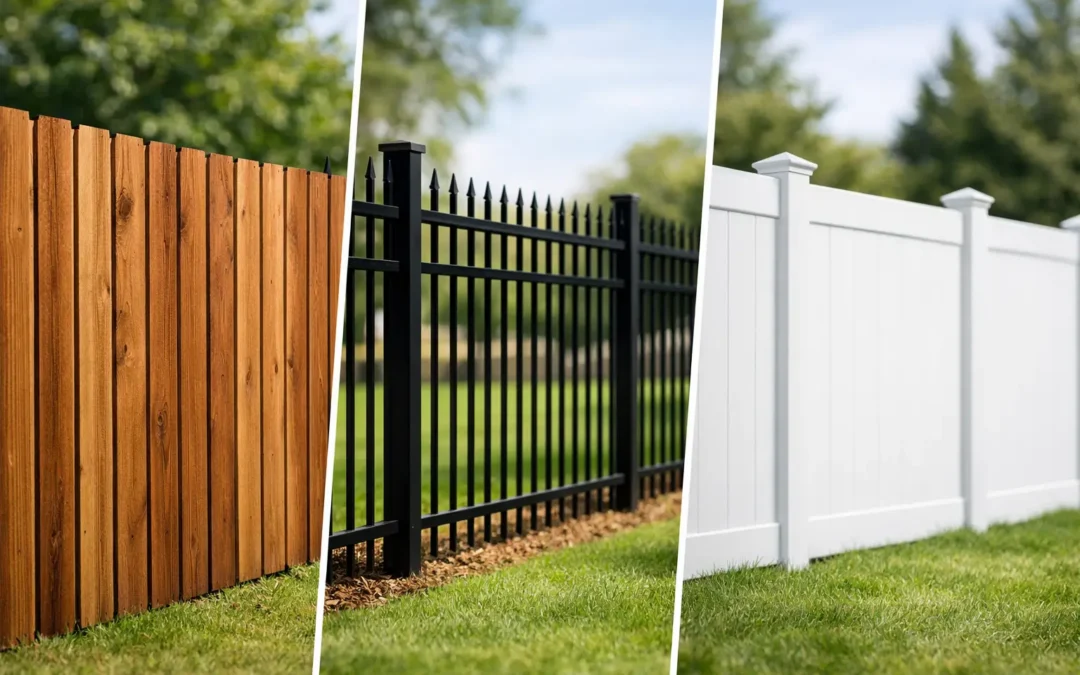
Ornamental iron: 50 years or more
Iron is the long-term leader when it is made and finished correctly. It is strong enough for demanding residential and commercial applications and can be customized for slopes, gates, decorative details, and access-controlled entrances. Unlike wood, it is not vulnerable to rot or insect damage.
Its primary weakness is rust. Scratches, chipped paint, poor drainage around posts, and neglected welds can allow corrosion to spread. A periodic inspection and timely repainting of damaged spots can prevent a small finish issue from becoming a costly repair. Iron is an excellent fit for owners who value security, visibility, and a classic appearance that does not go out of style.
Vinyl: 20 to 30 years
Vinyl fencing is a durable, low-maintenance option for homeowners who want privacy or a clean, uniform look. It will not rot, rust, or need regular staining. Routine cleaning is usually enough to keep it looking presentable.
Still, vinyl is not indestructible. Severe impact can crack it, and lower-quality panels may fade, warp, or become brittle after years of sun exposure and temperature swings. Repairing a damaged section can also be more complicated than replacing an individual wood picket. A quality vinyl fence can last a long time, but it generally will not match the lifespan of well-maintained iron.
Chain link: 15 to 30 years
Galvanized chain link is one of the most practical fencing choices for large yards, athletic areas, industrial properties, construction sites, and pet containment. It provides dependable boundary definition and security at a cost that often makes sense for long fence runs.
A galvanized or vinyl-coated chain link system can last for decades, especially when the posts, rails, fabric, and fittings are matched in quality. Its lifespan is affected by rust, ground moisture, damage from equipment, and sagging gates. For commercial and residential owners who prioritize function, visibility, and value over privacy, chain link remains a proven choice.
Wood: 10 to 25 years
Wood offers a warm, natural appearance that many homeowners prefer. It is versatile, easy to customize, and a strong choice for privacy fences, decorative boundaries, and traditional neighborhood settings. But wood requires more attention than other common materials.
Moisture, insects, direct ground contact, sun exposure, and poor drainage all work against a wood fence. Cedar and pressure-treated lumber can improve longevity, while staining and sealing help slow weathering. Posts are especially important because they carry the entire fence structure. A wood fence can provide many years of service, but it needs periodic cleaning, staining, and repairs to reach the upper end of its expected lifespan.
The installation is as important as the material
Even the best fence material can fail early when it is installed poorly. Posts that are too shallow can shift or lean. Gates without adequate support can drag and become difficult to latch. Fence panels installed without accounting for drainage, grade changes, or soil movement can develop problems long before the material itself wears out.
This is especially relevant in areas with heavy rain, uneven terrain, and clay soils. Water should move away from fence posts rather than collect around them. Wood posts need the right protection and placement. Metal posts need a durable finish and stable footings. Gates need properly sized posts and hardware that can support their weight through repeated use.
A long-lasting fence begins with a site-specific plan. The fence should be designed around the property, not forced into a one-size-fits-all layout.
Choose durability based on how you will use the fence
The longest-lasting fence is not automatically the right fence for every job. An iron fence may be the best investment for a front yard, pool area, commercial entrance, or property where security and appearance are both priorities. But it does not provide privacy on its own.
For a backyard where privacy is the main goal, vinyl or stained wood may be the better fit. Vinyl reduces routine upkeep, while wood offers a more natural look and can be repaired section by section. For a large commercial yard, equipment area, or temporary perimeter need, chain link may deliver the most sensible balance of service life and cost.
Property owners should also consider the gate system. Gates are moving parts, which means they often need attention before the fence itself does. A heavy iron gate can last for decades, but only with correctly sized posts, quality hinges, reliable latches, and occasional adjustment. The same applies to chain link and vinyl gates.
How to make any fence last longer
Good maintenance is straightforward, but it should not be ignored. Keep vegetation from growing tightly against the fence, since trapped moisture can speed decay and corrosion. Check posts and gates after major storms, especially if the ground has become saturated. Address loose hardware, leaning posts, chipped coatings, and damaged panels early.
Wood fencing benefits from cleaning and resealing on a regular schedule. Iron and chain link should be inspected for rust and coating damage. Vinyl should be cleaned to prevent buildup and checked for cracks after severe weather or impact. These small steps protect appearance, function, and long-term value.
For fence projects in Fort Smith and the surrounding region, Modern Fence Company can help match the material, layout, and construction details to the way your property is used. A free estimate is a practical place to start, particularly when a fence needs to handle slopes, gates, security requirements, or a long property line.
The best fence is the one that remains straight, secure, attractive, and useful long after the installation crew has left. Choose the material for your needs, then protect that investment with quality installation and timely care.