
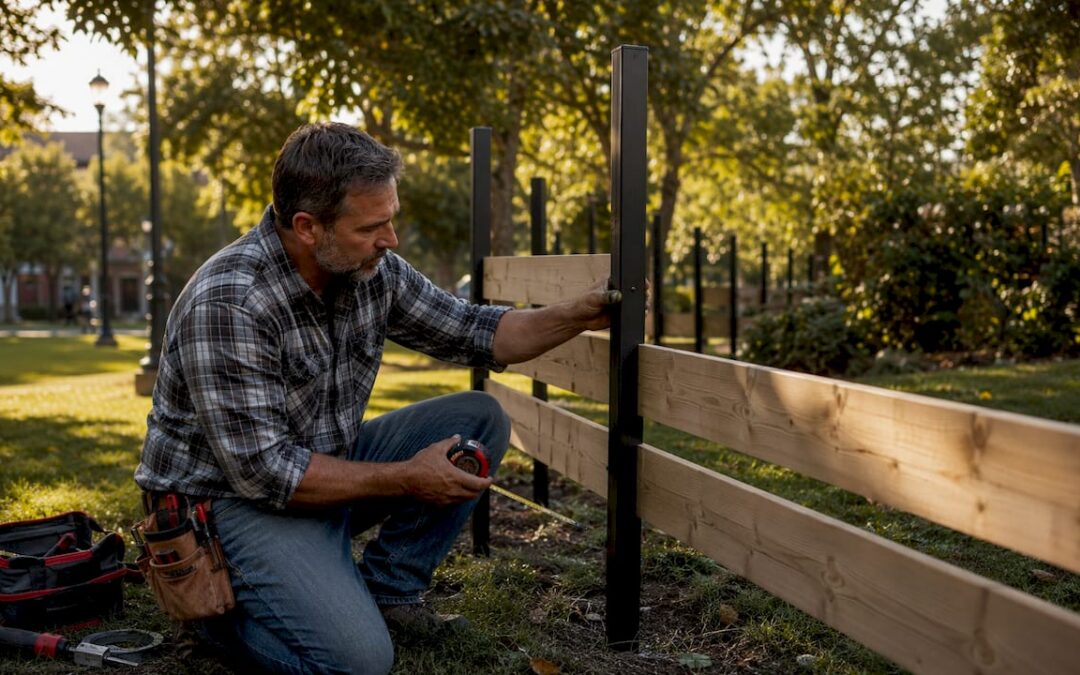
What are the main problems with PostMaster fence posts?
PostMaster fence posts, manufactured by Master Halco, offer real structural advantages over traditional wood. But they come with a specific set of drawbacks that homeowners and installers in Arkansas should understand before committing to the system.
Here are the core issues you’ll encounter:
- Higher upfront cost. Galvanized steel construction makes PostMaster+ posts significantly more expensive than standard wood posts, which strains budgets on large projects.
- Aesthetic concerns. If posts aren’t perfectly concealed behind fence boards, exposed steel is visible from certain angles and disrupts the finished look.
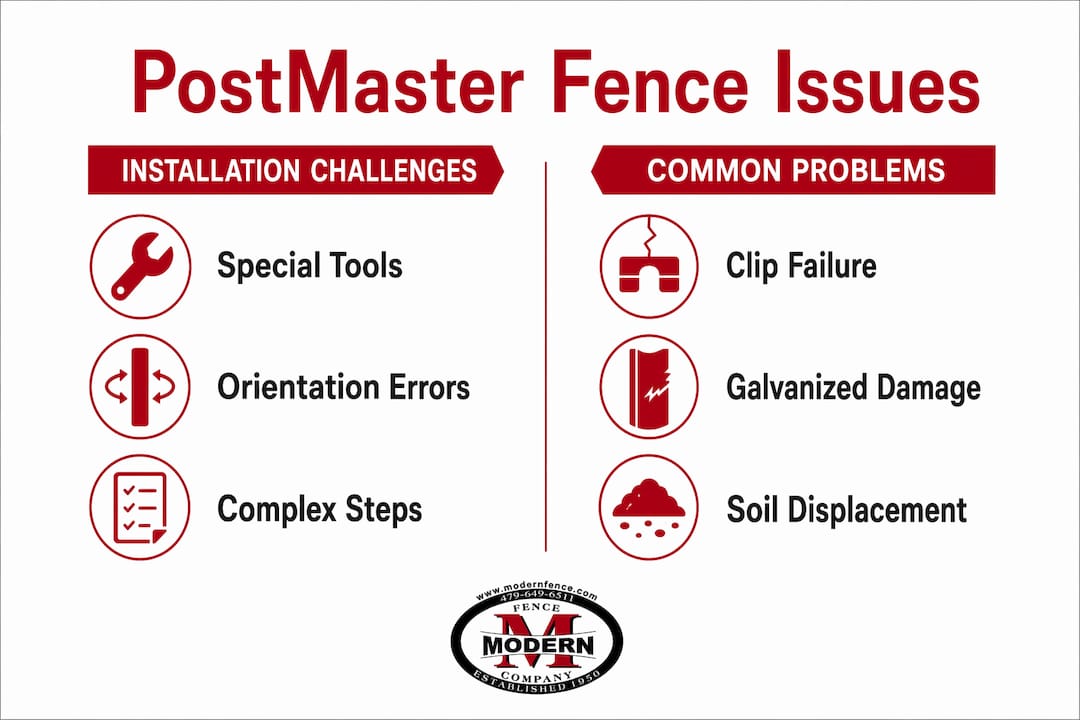
- Complex installation. Proper orientation, proprietary clips, and precise alignment are all required. Errors mean visible metal or panels that don’t sit flush.
- Limited availability. PostMaster posts typically require a special order through the Pro Desk at Lowe’s or Home Depot, which can delay your project timeline.
- Design versatility limitations. Custom post shapes and decorative elements aren’t achievable with this system the way they are with traditional wood.
- Specialized tools required. Cutting steel and maintaining alignment calls for equipment most DIYers don’t own.
- Corrosion risk. Contact with acidic soils or dissimilar metals like brass or copper accelerates galvanized coating breakdown.
- Soil sensitivity. In Arkansas’s clay-heavy soils, standard embedment depth may not be enough to prevent seasonal post movement.
Detailed cons of using PostMaster posts in fence installation
Higher initial cost
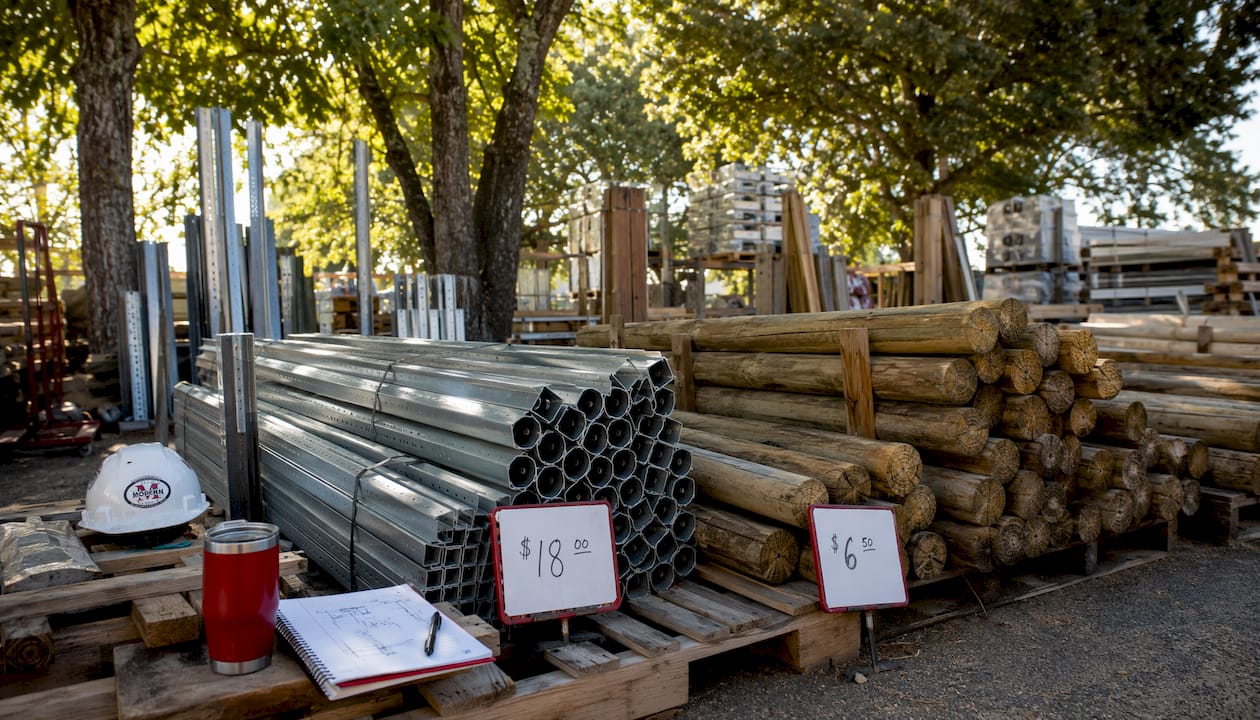
PostMaster+ posts cost more than wood upfront because of their heavy-duty galvanized steel construction. For a long fence line, that premium adds up fast. Homeowners on a tight budget often find the initial investment difficult to justify, even knowing the long-term durability benefits.
Aesthetic challenges
The system is designed so wood boards conceal the steel post on both sides. When that concealment isn’t perfect, the galvanized metal shows. Achieving a clean look requires extra material and careful board placement, which adds labor time and cost.
Installation complexity
Installing PostMaster+ posts correctly takes more precision than setting a wood post in concrete. Key requirements include:
- Correct post orientation (reversed posts void the warranty)
- Use of proprietary clips, not generic hardware
- Precise string-line alignment before any concrete is poured
- Accurate embedment depth to meet manufacturer specifications
Any deviation from these steps can result in misaligned panels, visible steel, or structural weakness that requires reinstallation.
Limited availability and design flexibility
PostMaster posts aren’t stocked at most local retailers in standard lengths beyond 7’6" and 8’. Special ordering adds lead time. Beyond availability, the system’s metal construction limits design customization. Decorative post caps, shaped profiles, and ornamental details that work with wood simply don’t translate to this system.
Specialized tools requirement
Cutting steel posts to length and ensuring precise alignment requires tools most homeowners don’t have on hand. For DIY installers, that means renting or purchasing additional equipment, which adds to the total project cost.
Warranty details and common technical problems
Master Halco advises setting PostMaster posts sufficiently deep into the ground for standard 6-foot fences. For 8-foot fences, greater depth is recommended. Improper drainage and chronic soil moisture issues can void warranty coverage.
Common technical problems reported with PostMaster fence posts include:
- Post misalignment. Corrosion and alignment issues are among the most frequently reported failures, often traced back to installation errors.
- Corrosion from soil chemistry. Highly acidic or alkaline soils, and direct contact with dissimilar metals like brass or copper, accelerate galvanized coating breakdown.
- Freeze-thaw displacement. In regions with clay soils, seasonal expansion and contraction can shift posts over time, particularly when embedment depth is insufficient.
- Coating damage. Chips or scratches to the galvanized surface post-installation create entry points for rust if left unaddressed.
Warranty note: Workmanship warranties cover installation quality, not the metallurgy of the posts themselves. Soil movement, chronic over-saturation, and improper installation are common grounds for warranty exclusion.
Environmental factors like soil pH, moisture exposure, and contact with incompatible metals all affect how long the galvanized coating holds up. In Western Arkansas, where clay soils are common, these factors deserve serious attention before installation begins.
Pro Tip: Avoid prolonged exposure to soil environments with a pH below 6 or above 12. Use insulators between PostMaster posts and any dissimilar metals like brass or copper fittings.
How to maintain PostMaster fence posts and extend their life
Proactive maintenance is the most reliable way to avoid the structural failures that give PostMaster posts a bad reputation. Annual inspections for soil moisture levels, concrete cracking around footings, and gate hardware binding catch problems before they become expensive repairs.
Key maintenance steps for Arkansas homeowners:
- Inspect posts each spring after freeze-thaw cycles for signs of heaving or leaning
- Check concrete footings for cracking, which allows water infiltration and accelerates corrosion
- Monitor soil moisture near posts; avoid chronic standing water or sprinkler heads aimed directly at the base
- Lubricate gate hinges and moving hardware at least once per year
- Clean galvanized surfaces with appropriate cleaners and rinse thoroughly to remove corrosive residue
- Repair any chips or scratches in the galvanized coating promptly using zinc-based galvanized paint
Freeze-thaw cycles are a real concern in Arkansas winters. Maintaining consistent soil moisture near posts, rather than letting the ground dry out completely between rains, reduces the expansion and contraction that shifts footings over time.
Pro Tip: During extended dry spells, use a soaker hose near fence footings to maintain consistent soil moisture. Extreme drying followed by heavy rain is what causes the most post movement in clay soils.
What experienced fence contractors say about PostMaster installation
Professional installation is the single biggest factor in whether a PostMaster fence performs as advertised or becomes a source of ongoing problems. Installer workmanship warranties are separate from the manufacturer’s product warranty, which means the contractor’s skill directly determines what’s covered when something goes wrong.
At Modernfence, our team brings over 70 years of combined experience installing wood, vinyl, iron, and chain link fences across Western Arkansas and Eastern Oklahoma. We understand how local soil conditions affect embedment depth requirements, and we use the correct proprietary hardware on every PostMaster installation. Choosing a contractor who knows this system protects both your fence and your warranty.
When selecting a fence installer, ask specifically about their PostMaster experience and whether they use manufacturer-approved clips and installation methods.
Common fence post problems beyond PostMaster
PostMaster posts aren’t the only source of fence post failures. Several problems affect all post types and are worth understanding regardless of the material you choose.
- Rot and decay. Wood posts in ground contact degrade faster when concrete traps moisture at the soil interface. Ground-contact wood should meet minimum treatment standards for direct burial.
- Frost heave. Posts set above the local frost line will shift vertically during freeze cycles. In Arkansas, frost depth varies by region and year.
- Leaning posts. Soil erosion, improper backfill compaction, and wind load on solid panel fences all contribute to posts leaning over time.
- Concrete footing failure. Cracks in footings allow water in, which accelerates both wood rot and steel corrosion depending on post material.
- Improper depth. The conventional rule of setting a post one-third of its total length into the ground is a starting point, not a code requirement. Gate posts and corner posts typically need more depth due to higher lateral loads.
Structural weaknesses and failure modes specific to PostMaster posts
PostMaster posts have a few failure modes that are unique to their design and material.
Clip failure. The system relies on proprietary clips for structural integrity. Using generic clips or installing them incorrectly reduces the fence’s wind resistance and can cause panel separation.
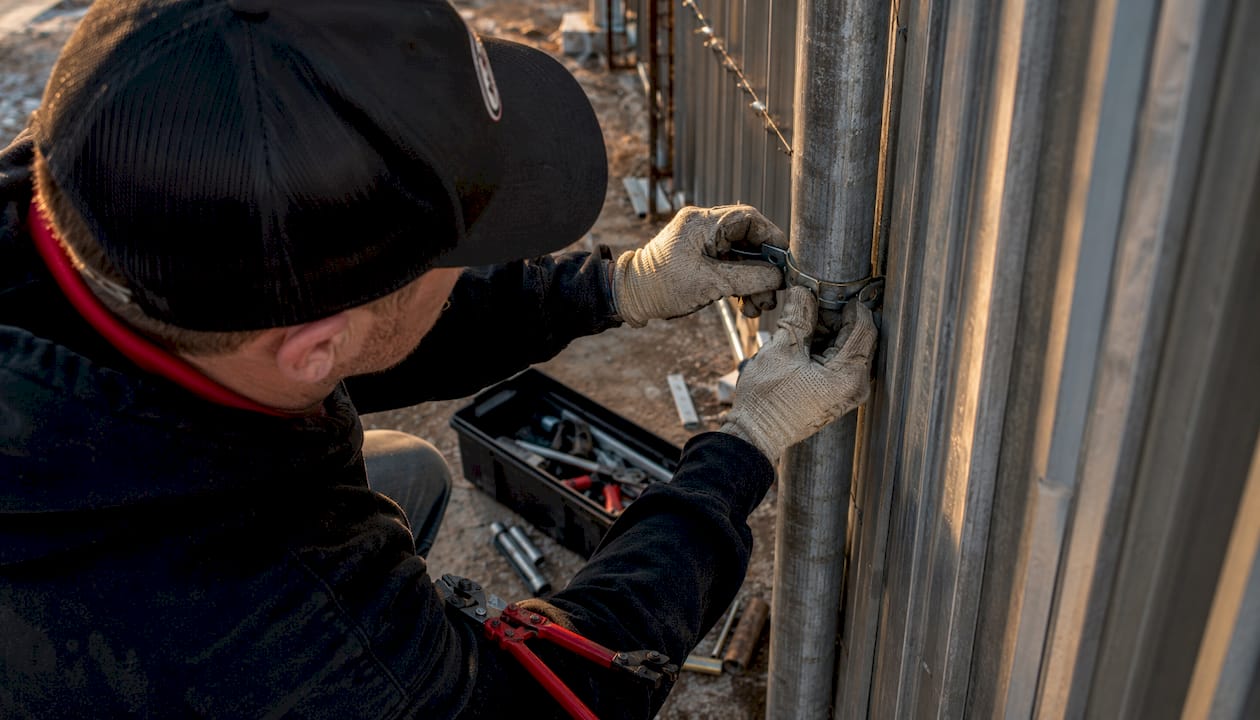
Orientation errors. PostMaster posts must be installed in a specific orientation. Reversing the post changes how the clips attach and compromises the structural connection between post and panel.
Galvanized coating damage. The coating protects the steel from corrosion. Physical damage during installation, from dragging posts or striking them with metal tools, creates unprotected spots that rust from the inside out if not repaired.
Clay soil displacement. In expansive clay soils, standard 24-inch embedment is often insufficient. Seasonal shrink-swell cycles push posts out of alignment over years, particularly on fence runs without adequate concrete footings.
Troubleshooting tips from real PostMaster fence owners
Homeowners who have worked through PostMaster fence issues report a consistent set of problems and fixes.
Posts not aligning with the string line. Recheck stake placement and hole positions before pouring concrete. Adjust the string line and verify with a level before setting each post permanently.
Inconsistent gaps between fence boards. Use spacers during board installation to maintain uniform gaps. This is especially important with PostMaster because the steel post doesn’t compress or flex the way wood does.
Posts not setting straight in concrete. Re-adjust with a level and brace the post temporarily while concrete cures. Fast-set concrete gives you a short working window, so have bracing ready before you mix.
Brown staining on galvanized surfaces. This typically comes from drainage off adjacent rusting steel. Treat with a commercial oxalic acid solution, rinse thoroughly, and address the source of the rust runoff.
Discoloration from corrosive exposure. Clean with appropriate metal cleaners, rinse well, and inspect the coating for damage. If the galvanized layer is compromised, apply zinc-based paint to the affected area.
Total cost of ownership: PostMaster posts vs. traditional wood
PostMaster+ posts cost more upfront than wood, but the long-term math often favors steel. Wood posts in ground contact typically need replacement within 10–15 years, depending on soil conditions and treatment quality. PostMaster’s galvanized steel construction resists rot and termites entirely, which eliminates one of the most common reasons homeowners replace wood fences early.
The real cost comparison comes down to three factors:
- Initial material cost. Wood wins here. PostMaster steel posts carry a premium.
- Labor over time. Wood posts that rot or lean require reinstallation. PostMaster posts, when correctly installed, rarely need structural replacement.
- Maintenance costs. Wood requires staining or sealing every 2–3 years to prevent premature weathering. PostMaster posts need only periodic inspection and minor coating repairs.
For Arkansas homeowners dealing with clay soils, humidity, and wood-boring insects, the durability advantage of steel posts often offsets the higher purchase price within the first fence replacement cycle. The key word is “correctly installed.” A PostMaster fence installed with the wrong clips, reversed posts, or insufficient embedment depth won’t deliver those long-term savings. That’s where contractor experience makes the difference between a 20-year fence and a 5-year problem.
For guidance on lasting fence installation practices that apply to both PostMaster and traditional post systems, Modernfence provides detailed resources built around Arkansas conditions.
Ready to get your fence done right the first time? Modernfence has served Western Arkansas and Eastern Oklahoma for over 70 years, with licensed and insured installation across wood, vinyl, iron, and chain link systems. Call us today for a free estimate, or visit modernfence.com to get started.
Key Takeaways
PostMaster fence posts deliver long-term durability, but only when installed correctly with proprietary hardware, proper embedment depth, and ongoing soil moisture management.
| Point | Details |
|---|---|
| Higher upfront cost | PostMaster+ steel posts cost more than wood, but often offset that cost by eliminating rot-related replacements. |
| Installation precision required | Correct post orientation and proprietary clips are mandatory; errors void the warranty and compromise structure. |
| Embedment depth matters | Master Halco advises at least 24 inches for 6-foot fences; clay soils in Arkansas may require greater depth. |
| Maintenance prevents failures | Annual inspection for corrosion, concrete cracking, and soil moisture keeps PostMaster posts performing long term. |
| Contractor experience is critical | Installer workmanship warranties are separate from the product warranty; skilled installation protects both. |