
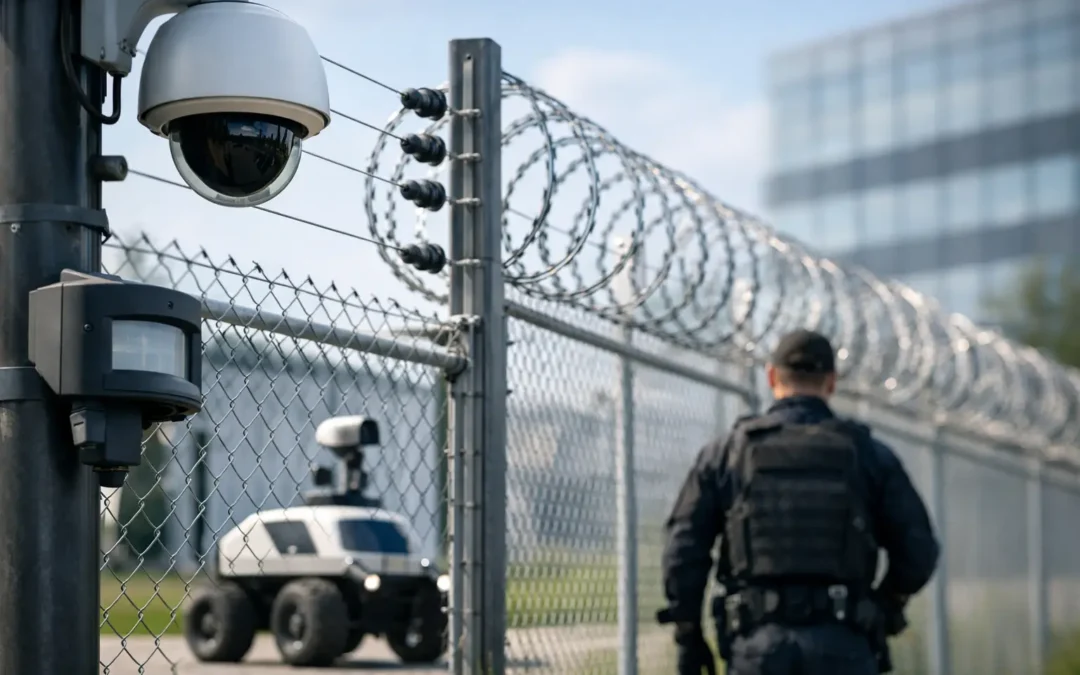
A fence still does the first and most visible job in property protection: it defines where private property begins and makes unwanted entry more difficult. But the future of perimeter security is not a single product or a camera mounted on a gatepost. It is a well-planned combination of physical barriers, controlled entry, visibility, and site-specific decisions that work together day and night.
For homeowners, that may mean a privacy fence with a dependable gate and better sightlines around a backyard. For a commercial property, it can mean ornamental iron fencing, access control, vehicle gates, lighting, and a perimeter designed around delivery routes and employee traffic. The best approach depends on what needs protection, how the property is used, and where its real vulnerabilities are.
The Future of Perimeter Security Starts With the Fence
Technology can add valuable information and control, but it cannot make up for a poorly installed or poorly chosen fence. A leaning chain link fence, an undersized gate, loose hardware, or gaps created by difficult terrain can give people an easy point of entry. Physical security remains the foundation because it creates a clear boundary, slows unauthorized access, and gives owners more time to respond.
The material should fit the job. Chain link is a practical choice for many commercial yards, athletic areas, equipment storage locations, and temporary construction needs. It provides a visible boundary, long service life, and a range of height and privacy options. Adding privacy slats or screening may be appropriate where a business wants to limit views into stored materials or work areas.
Ornamental iron and custom metal fencing are often the right fit when security and appearance must carry equal weight. They offer a strong, long-lasting perimeter while presenting a professional appearance at offices, multifamily properties, schools, and higher-visibility commercial sites. For homeowners, wood and vinyl can provide privacy and curb appeal while still establishing a meaningful barrier around a pool, backyard, or side yard.
There is no single “most secure” material for every site. A warehouse with regular truck traffic has different needs than a family home near a busy street. A good perimeter plan begins with the barrier itself, then accounts for the way people, vehicles, pets, deliveries, and maintenance crews must move through it.
Access Control Moves Security From Passive to Active
A locked gate is useful, but it creates practical challenges when multiple people need entry at different times. Keys get copied, codes get shared, and someone eventually forgets to relock the gate. Access control systems help property owners manage entry more intentionally.
Depending on the property, this might involve keypad entry, card or fob access, telephone entry, remote-operated gates, or a system that allows a manager to grant access for a limited period. Commercial operators can use access records to understand who entered a property and when. Homeowners may simply value being able to open a driveway gate without leaving the vehicle or granting access to a service provider while away.
The technology should match the day-to-day operation. A small business with a few employees may need a straightforward keypad and properly installed gate operator. A larger property with delivery schedules, multiple staff members, and after-hours access may benefit from more detailed user permissions. More features are not automatically better if they make the system difficult to operate or maintain.
Reliable gate construction matters just as much as the access device. Gate size, hinge quality, post depth, vehicle clearance, wind exposure, and ground conditions all affect performance. A gate that binds or sags will eventually become a security and convenience problem, regardless of how advanced its controls may be.
Cameras and Sensors Work Best When the Perimeter Is Planned
Security cameras, motion detection, and alert systems are increasingly common around homes and businesses. They can provide useful awareness, documented activity, and a deterrent to trespassing. Their value is highest when they are positioned around the property’s actual points of concern, not installed simply because a certain location is easy to reach.
A camera facing a driveway may be useful, but it may not cover a side gate, rear service entrance, or low-visibility corner where someone could enter unnoticed. Lighting has a similar role. A well-lit gate and approach area can improve visibility for owners, employees, and visitors while making unauthorized activity more noticeable.
Still, cameras and lights have limits. Landscaping can grow into a camera’s field of view. A bright light can create glare or disturb nearby neighbors. Wireless equipment may need dependable signal coverage, and all electronic systems require periodic checks. Physical barriers reduce opportunities for entry; cameras and sensors help owners see and respond when activity occurs.
That is why a layered approach is more practical than relying on one security measure. The goal is not to turn every property into a fortress. It is to create reasonable delays, clear boundaries, better visibility, and controlled access that suit the property’s risks and budget.
Design Must Account for Real-World Conditions
The future of perimeter security will continue to include smarter controls, but installation quality will remain just as important. In Western Arkansas and Eastern Oklahoma, uneven grades, drainage patterns, weather exposure, and existing utilities can all influence a fence or gate project. Ignoring those details can lead to avoidable gaps, premature wear, drainage issues, or gates that do not operate correctly.
A fence should follow the property in a way that maintains security without creating problems for mowing, drainage, or daily use. Stepped panels, rackable fencing, properly planned post placement, and custom fabrication can help solve difficult terrain issues. On commercial sites, the design must also consider turning space for trucks, emergency access, fire lanes, and the location of utilities.
Privacy deserves a thoughtful discussion as well. A tall privacy fence can reduce visibility into a backyard or storage area, which many owners prefer. Yet on some properties, maintaining clear views around driveway entrances and gates improves safety. The right balance often involves using privacy where it matters most while keeping entrance points visible and well lit.
Maintenance Is Part of Long-Term Security
Perimeter security is not finished the day installation crews leave the property. Wood may need staining or cleaning to preserve its appearance and service life. Gate hinges, latches, operators, and access devices need occasional inspection. Chain link fabric and tension wires should be checked after storms or impact. Even a small opening under a fence can become a larger problem if it is left unaddressed.
For businesses, scheduled inspections can prevent disruptions that affect employees, deliveries, and customers. For homeowners, routine maintenance protects the investment and helps ensure gates remain secure for children, pets, and family use. Prompt repairs matter because a damaged section communicates that the perimeter is easy to defeat.
Temporary fencing also has an important place in modern perimeter planning. Construction sites, special events, and short-term projects often need a clear and dependable boundary before permanent work is complete. Rental fencing can help control site access, protect equipment, and keep the public away from active work areas without requiring a permanent installation.
Choosing the Right Investment for Your Property
The most effective security plan begins with practical questions. What are you trying to protect? Where do people currently enter? Is the main concern privacy, trespassing, vehicle access, children and pets, inventory, or after-hours activity? Answers to those questions will point toward the right fence style, gate configuration, and access features.
It also helps to consider future use. A homeowner may want a fence that works now but allows for a pool or outdoor living area later. A business may need to accommodate expansion, new equipment, or a different traffic pattern in a few years. Planning ahead can prevent expensive changes and help the perimeter continue to serve the property as needs change.
With more than 70 years of regional experience, Modern Fence Company understands that dependable security is built from careful measurements, sound materials, skilled installation, and solutions that work in real life. A well-designed perimeter gives you more than a boundary. It gives your property a clearer sense of order, protection, and control every day.