
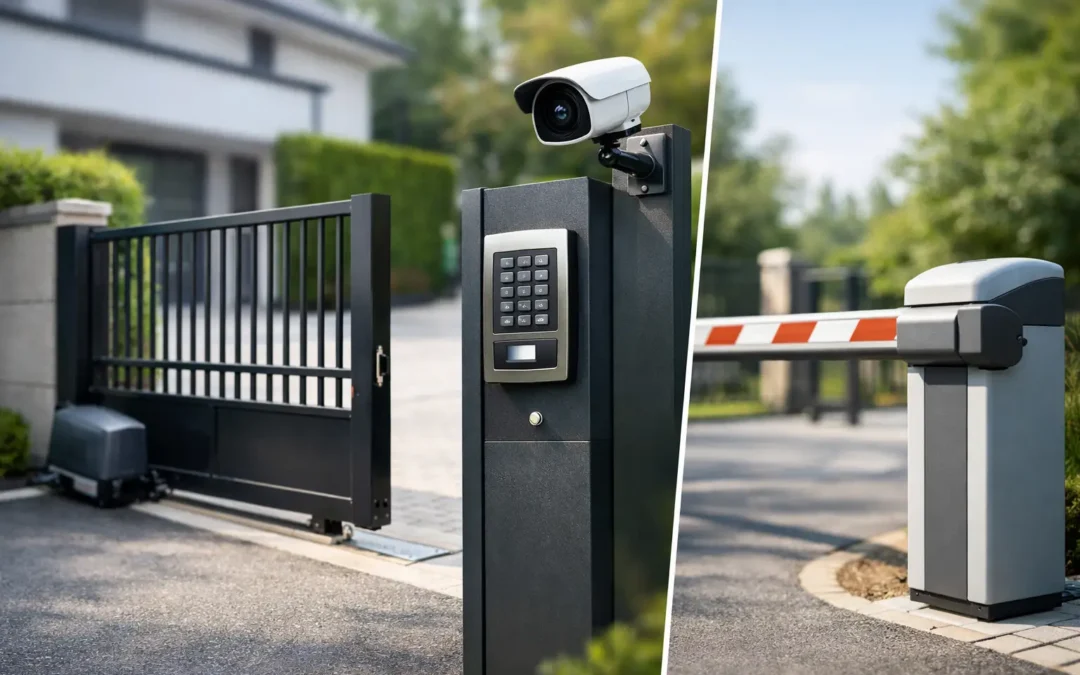
When you use your gate every day, the difference between a manual entry and an automatic gate becomes obvious fast. You are not just adding a motor to a fence line. You are changing how people, vehicles, deliveries, and visitors move across your property, and that affects security, convenience, and even the first impression your entrance makes.
For some owners, the priority is simple: stop getting out of the truck in bad weather. For others, it is about controlling who can enter a commercial yard, apartment complex, or private drive after hours. The right setup depends on traffic, layout, safety needs, and how the gate will hold up over time.
What an automatic gate really does
An automatic gate creates controlled access at the point where your property meets the outside world. That sounds straightforward, but the value goes beyond opening and closing on command. A well-planned gate system helps reduce unauthorized entry, supports privacy, and makes daily use easier for residents, employees, tenants, and approved visitors.
It can also help your property operate more efficiently. On a home, that may mean easier entry for family members and service providers. On a commercial site, it may mean smoother traffic flow, better perimeter control, and less dependence on someone being physically present to open the gate.
That said, not every property benefits from the same type of system. A ranch-style entrance with long setbacks has different needs than a busy business with frequent vehicle traffic. The best results come from matching the gate style, operator, and access controls to the way the property is actually used.
Choosing the right automatic gate style
The gate itself matters just as much as the automation. A gate that looks great but does not fit the grade, width, or usage pattern can create ongoing problems.
Swing gates
Swing gates are a strong choice when there is enough room for the gate to open inward and the driveway layout supports that motion. They are often chosen for residential properties because they create a classic, substantial look. They can work very well for decorative iron or custom metal entrances where appearance matters as much as function.
The trade-off is space. If the drive slopes sharply or the opening area is tight, a swing gate may not be practical. Wind load can also matter, especially with solid or semi-private designs.
Slide gates
Slide gates are often better for commercial properties, tighter sites, or entrances where a swinging gate would interfere with traffic. Instead of opening inward, the gate moves horizontally along the fence line. That makes it useful when space is limited or when the drive layout calls for a more controlled opening path.
Slide gates can be especially effective in high-use settings, but they require enough room beside the opening for the gate to travel. They also depend on proper track or cantilever design, which means installation quality is critical.
Vertical lift and specialty options
Some sites need a more specialized solution. Industrial yards, commercial facilities, and secure compounds sometimes require vertical lift systems or custom fabricated gate designs to work around site limits. These are not standard for every property, but they can solve problems that a basic swing or slide setup cannot.
The operator matters as much as the gate
A lot of people focus on the gate style first, which is understandable. It is the visible part of the project. But the operator is what makes the system dependable.
An operator should be sized for the gate’s weight, length, and expected cycle count. A light residential operator on a heavy gate with frequent daily use is asking for trouble. So is an operator installed without enough attention to alignment, hardware quality, or safety devices.
Power source also matters. Some automatic gate systems run on standard electrical service, while others may use solar support in the right conditions. Solar can be a useful option, but it depends on sun exposure, usage levels, and battery performance. It is not a universal answer for every site.
This is one place where experience pays off. Good design is not just about making the gate move. It is about making sure it moves reliably in real-world conditions, year after year.
Access control for an automatic gate
An automatic gate is only part of the access equation. The way users enter and exit is what determines how convenient and secure the system feels on a daily basis.
Some properties do well with remotes and keypad entry. Others need card readers, telephone entry systems, or integration with broader access control. Commercial sites may need tighter credential management, while residential owners often want a setup that is simple and dependable for family and guests.
There is no single best method. A private driveway may only need remotes, a keypad, and a vehicle exit loop. A business with staff, vendors, and after-hours access concerns may need a more structured system. The key is choosing controls that match your traffic patterns instead of overcomplicating the entrance.
Safety should never be treated as an add-on
A gate system is a moving piece of equipment. That means safety has to be built into the design from the start.
Photo eyes, safety loops, proper closing force, and emergency release features all play a role in helping the gate operate safely. The layout also matters. If visibility is poor, traffic stacks up near the entrance, or pedestrians use the same path as vehicles, those conditions need to be addressed before installation.
This is especially important on commercial sites, multi-user properties, and homes where children may be near the gate area. The goal is not only reliable access but predictable, safe operation.
What property owners often overlook
One of the most common mistakes is treating an automatic gate like a simple accessory instead of a system. The gate, posts, hinges or rollers, operator, controls, power source, and safety equipment all need to work together.
Site conditions can change the whole recommendation. Grade changes, drainage issues, utility locations, and fence tie-ins all affect the design. In parts of Western Arkansas and Eastern Oklahoma, weather and soil conditions can also influence long-term performance. A gate that is not installed with those realities in mind may look fine on day one and become a service headache later.
Maintenance is another overlooked factor. Even a quality automatic gate needs periodic adjustment, inspection, and service. That does not mean constant problems. It means moving equipment benefits from routine care, especially when the gate sees regular use.
Residential and commercial needs are not the same
Homeowners usually start with convenience and privacy, then weigh style and security close behind. They want an entrance that looks right with the home and works every day without added hassle. In that setting, clean design, quiet operation, and easy guest access often matter as much as the gate’s strength.
Commercial clients usually think first about control, durability, and traffic management. They may need to separate employee access from visitor entry, secure inventory yards, or manage vehicle flow at set hours. Those projects often call for heavier-duty equipment and a more deliberate access control plan.
Neither approach is better. They are just different. A good contractor should recognize that difference and build around the way the property functions.
When custom fabrication makes sense
Not every entrance fits an off-the-shelf answer. Some properties need a custom gate because of width, slope, architectural style, or branding goals. Others need a fabricated solution to match existing fencing, create a stronger visual statement, or solve a tricky access point.
That is where fabrication experience becomes especially valuable. A gate should do more than fill an opening. It should fit the property, carry its own weight correctly, and support the operator system without forcing compromises that shorten its life.
For owners who want both appearance and performance, custom work often provides the best balance.
Is an automatic gate worth it?
For many properties, yes, but only if it is planned well. The right automatic gate can improve security, simplify daily access, and add a finished look to the entrance. The wrong setup can create frustration, service calls, and avoidable wear.
That is why the conversation should start with how you use the property, what level of control you want, and what conditions the gate has to handle. From there, the design becomes much clearer.
If you are considering an automatic gate for a home, business, or managed property, it helps to work with a contractor who understands fencing, access control, and installation details as one complete system. A well-built entrance should feel dependable every time it opens, and that is exactly what good workmanship is supposed to deliver.